How Many Watts Is A Ceiling Fan

Picture this: it’s a scorching summer day, and your ceiling fan is a whirling beacon of relief, gently coaxing a breeze into your living space. It’s an unsung hero, constantly working to keep you cool and comfortable without the hefty energy drain of air conditioning. But as it diligently circulates the air, have you ever paused to ponder its secret life? Specifically, how much power is this humble appliance actually consuming? It might seem like a niche question, but understanding your ceiling fan's wattage is not only interesting, it's incredibly useful for managing your home's energy footprint and saving a few bucks on your electricity bill!
At its core, wattage is simply a measure of electrical power. Think of it as how much "juice" an appliance needs to run. The more watts, the more electricity it's using. Knowing this helps you make smarter choices about which appliances to use and when, transforming you into a true energy detective in your own home.
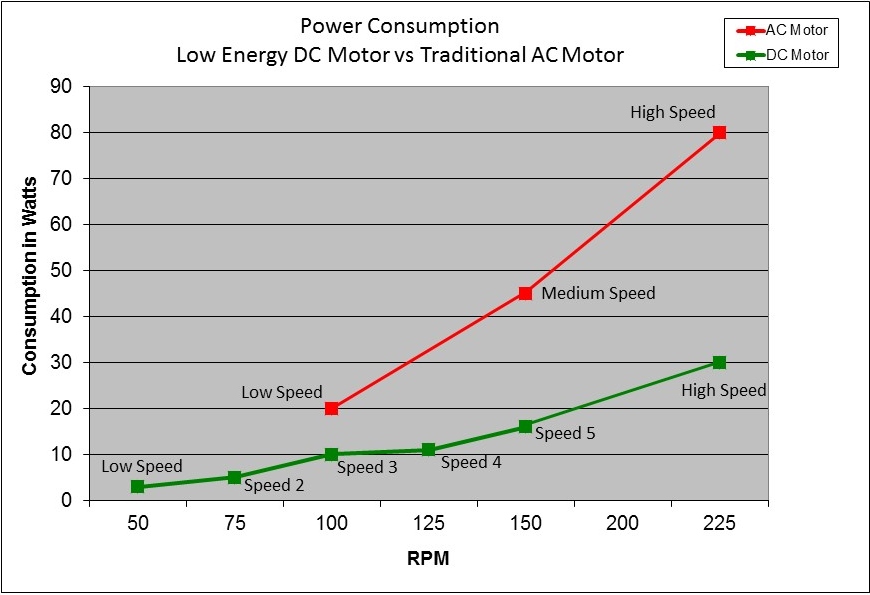
So, let's get to the nitty-gritty: how many watts does a ceiling fan typically use? The answer isn't a single number, but rather a range, influenced by several factors like the fan's size, motor type, and speed setting. Generally, a modern ceiling fan can draw anywhere from a mere 5 watts on its lowest setting to around 75-100 watts on its highest setting. Older, less efficient models or very large fans might even push slightly higher. For a good rule of thumb, many common ceiling fans average around 30-60 watts when running at a comfortable medium speed.
Must Read
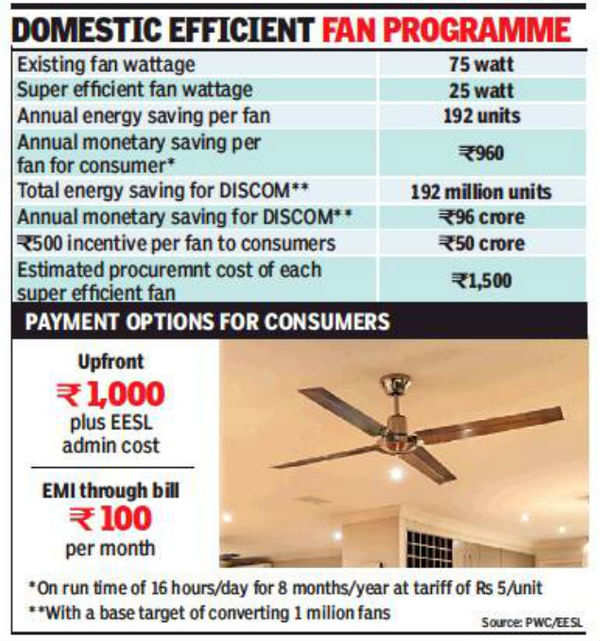
Why is this useful to know? First off, it’s all about energy savings. While a single fan doesn't gulp power like an air conditioner, those watts add up over time, especially if you run multiple fans for hours on end. By understanding its consumption, you can make informed decisions. For instance, opting for a fan with an Energy Star rating or one with a more efficient DC (direct current) motor can significantly reduce wattage, often dipping below 20 watts even on higher speeds. These modern marvels are designed for maximum airflow with minimal power input, making them incredibly kind to your wallet and the planet.
Beyond saving money, knowing the wattage helps you be a more conscious consumer. It empowers you to choose appliances that align with your desire for a lower environmental impact. It also gives you peace of mind, knowing that you're using a highly effective and relatively low-cost method to stay cool. So, the next time your ceiling fan is serenely spinning above, you'll not only appreciate its cooling capabilities but also understand the modest amount of power it quietly consumes to keep your comfort levels high and your energy bills low. It's truly a win-win!