How Many Watts Is A 120 Volts

Ever gazed at the back of an appliance or stared at a charging brick, wondering what all those numbers and symbols really mean? You’re not alone! It’s a common modern-day mystery, especially when you encounter terms like "120 volts" and "watts." If you've ever pondered, "How many watts is a 120 volts?" you've hit on a fascinating, and super practical, question that often trips people up. Let’s unmask the electrical jargon and make it easy-peasy.
First off, let’s be clear: 120 volts isn't a measurement of watts itself. Think of it this way: asking "how many watts is 120 volts?" is a bit like asking "how many miles is 60 miles per hour?" The speed limit (volts) tells you the potential, but not the distance travelled (watts) without knowing how long you were moving. You need another piece of the puzzle!
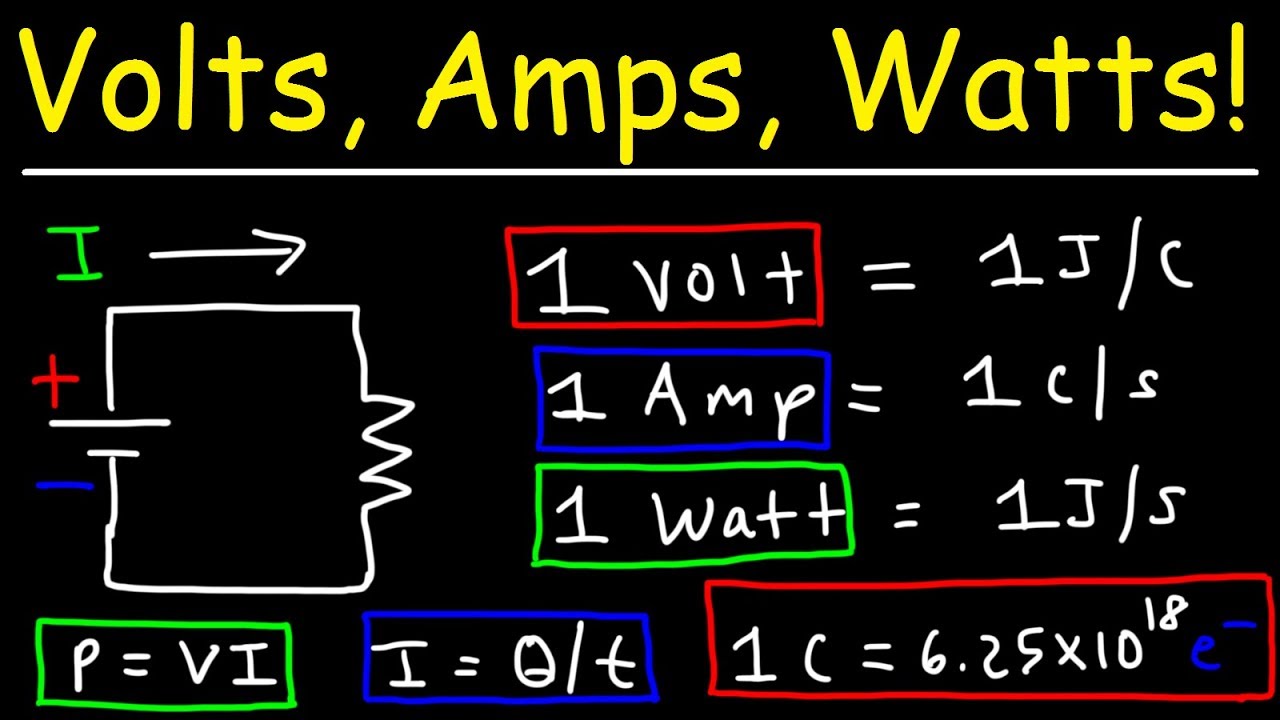
The Electrical Dream Team: Volts, Amps, and Watts
To really understand what's going on, we need to introduce the three amigos of electricity:
Must Read
1. Volts (V): The Pressure Push
Imagine electricity flowing like water in a pipe. Volts are like the water pressure. In North America, our standard wall outlets usually deliver around 120 volts. This is the "push" or potential energy available to get things moving. Overseas, you'll often find 230V or 240V outlets, which is why your travel adapter is a must-have!
2. Amps (A): The Flow Rate
If volts are the pressure, then Amps (short for Amperes) are the rate of water flow. It's how much electrical current is actually moving through the wires. A powerful appliance will "draw" more amps to do its job.

3. Watts (W): The Power Performer
Now for the star of our show! Watts represent the actual power being consumed or delivered – the work being done. In our water analogy, watts would be like how many gallons per minute are filling your bucket. It’s the total energy your device uses to light up, heat up, or spin around.
The Magic Formula: How They Connect
Here’s the golden rule, the secret sauce that connects them all:
Watts = Volts x Amps
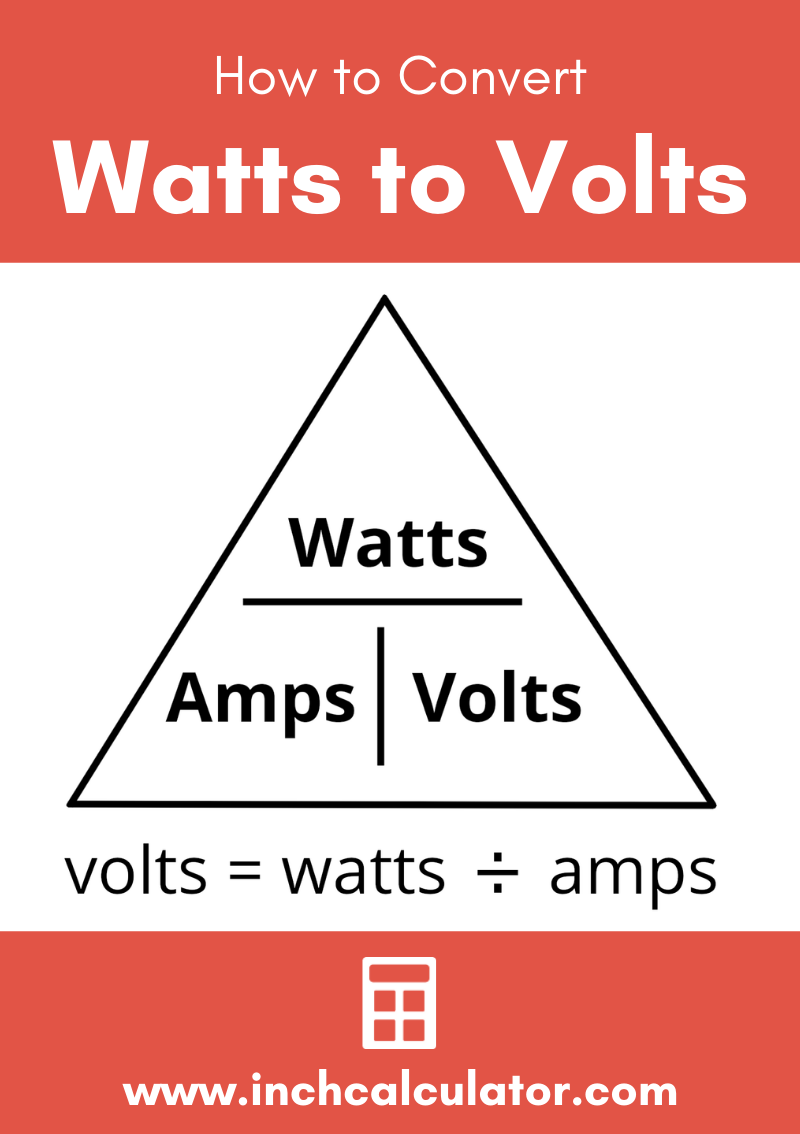
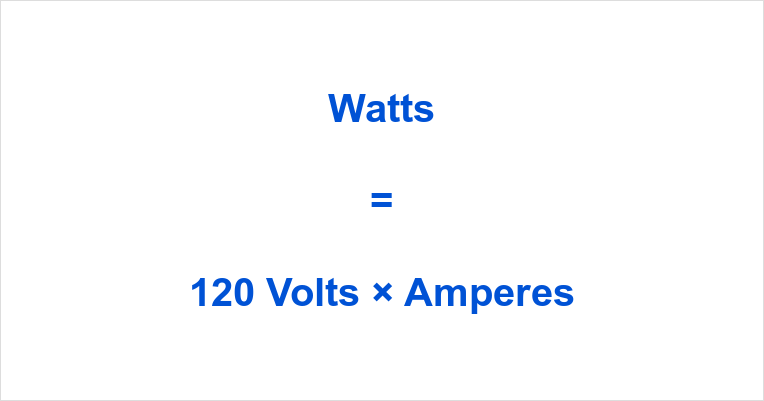
This simple equation is why 120 volts alone doesn't give you watts. You need to know how many amps your device is drawing at that 120-volt pressure to calculate its wattage. Every appliance, from your phone charger to your fridge, needs a specific amount of amps to operate at 120 volts, and that combination tells you its wattage.
Why Does This Matter to My Daily Life?
Understanding this isn't just for science buffs; it's genuinely useful!
- Preventing Tripped Breakers: Ever had the lights go out because you plugged in too many things? Your home's circuits are rated for a certain number of amps (e.g., 15 or 20 amps). If you plug in a bunch of high-wattage devices (which draw lots of amps) into one circuit, you'll exceed its limit, and the breaker trips to prevent overheating and potential hazards. Knowing your device's wattage helps you distribute the load.
- Appliance Shopping Savvy: When buying a new hairdryer or microwave, you'll often see its wattage listed. A 1500-watt hairdryer is more powerful (and probably dries your hair faster) than a 1000-watt one. Higher wattage often means more capability, but also more energy consumption!
- Extension Cord Wisdom: Those handy extension cords and power strips aren't invincible. They have a maximum wattage or amperage rating. Overloading them with high-wattage devices is a fire hazard. Always check the label!
- Understanding Your Energy Bill: Your electricity bill is based on kilowatt-hours (kWh) – essentially, how many thousands of watts you've used over an hour. The higher the wattage of your appliances and the longer you run them, the higher your bill. Knowing this can empower you to make smarter energy choices.
Fun Facts & Practical Tips!
Did you know the "watt" is named after James Watt, the Scottish inventor whose improvements to the steam engine were fundamental to the Industrial Revolution? So next time you toast a bagel, give a nod to Mr. Watt!
Pro Tip: Most appliances will clearly state their wattage (W) on a label or sticker. If they only list amps (A), you can quickly calculate the wattage by multiplying it by your standard home voltage (120V). For instance, an appliance that draws 10 amps at 120 volts is a 1200-watt device (10A x 120V = 1200W).
Bringing It All Home
So, to circle back: 120 volts is the electrical pressure waiting at your wall socket. It's a foundational component, but it's only half the story when it comes to power. The true power, measured in watts, comes to life when a device draws a certain amount of current (amps) at that 120-volt pressure. By understanding this simple relationship, you're not just smarter about electricity; you're more empowered to safely and efficiently use all the wonderful gadgets that make modern life so convenient. Go forth and confidently plug in!