How Many Watts In One Kilowatt

Ever found yourself staring at an appliance label, or perhaps your electricity bill, and seen those mysterious words: watts and kilowatts? They sound like something out of a science fiction movie, yet they’re actually super important for understanding the energy that powers our everyday lives. But what’s the deal? How many watts are actually chilling out in one kilowatt? Let's peel back the curtain, shall we?
Think of electricity as a river. The flow or power of that river is what we measure in watts. A watt is essentially a unit of power – it tells you how fast energy is being used or generated. It's like the "oomph" factor. A small night light might use just a few watts, barely a trickle in our river analogy, while something more substantial, like a powerful hairdryer, uses many more. It's all about how much grunt an electrical device needs to do its thing.
So, What's a Watt, Really?
Imagine a watt as a single, tiny step in the grand dance of electrical power. When you turn on a device, it starts taking these "steps" of energy. A 100-watt light bulb, for instance, is taking 100 steps of energy every second it’s on. Pretty straightforward, right? It’s a measure of how much work electricity is doing at any given moment. Simple enough for the smaller stuff.
Must Read
But here’s the thing: our modern lives are filled with energy-hungry gadgets. A single watt just isn't big enough for most appliances that keep our homes humming. Trying to describe your home's total electricity use in individual watts would be like trying to describe the distance from New York to California in millimeters. You'd end up with a ridiculously long, unwieldy number that makes your brain ache just looking at it.
Enter the Kilowatt: The Big Boss of Watts
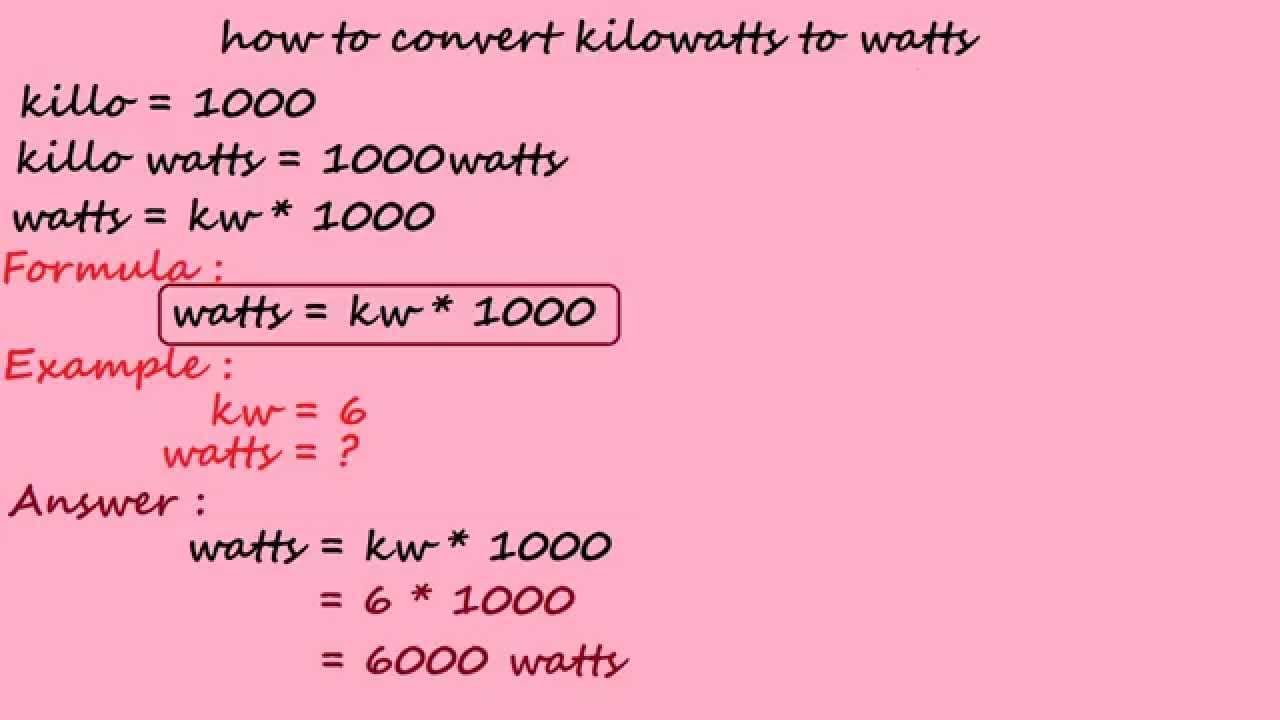
This is where the kilowatt swoops in like a superhero. It’s essentially a much bigger, more convenient way to talk about electrical power. The "kilo" part isn’t just there to make it sound fancy; it actually means something very specific in the world of measurements.
Ever heard of a kilometer? That's 1,000 meters. What about a kilogram? That's 1,000 grams. See a pattern emerging? The prefix "kilo-" is a handy shortcut in the metric system that always means one thousand of whatever unit follows it.
So, drumroll please... if a kilometer is 1,000 meters, and a kilogram is 1,000 grams, then it stands to reason that one kilowatt is simply... wait for it... 1,000 watts!
Ta-da! Not so mysterious now, is it? It's like bundling 1,000 individual steps of energy into one giant leap. Instead of saying your microwave uses 1,000 watts, we can just say it uses 1 kilowatt. Much easier on the tongue and the brain, right?
Why Is This Even Cool or Interesting?
You might be thinking, "Okay, so it's just a number. What's the big deal?" But understanding this simple conversion is actually super empowering!
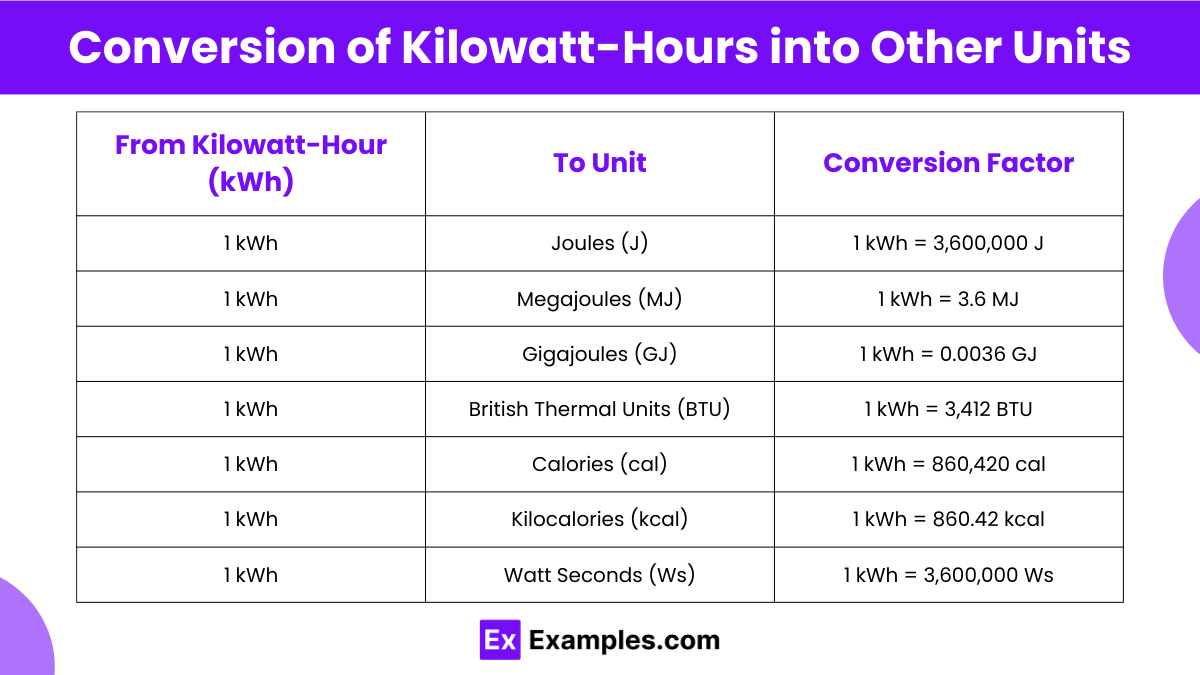
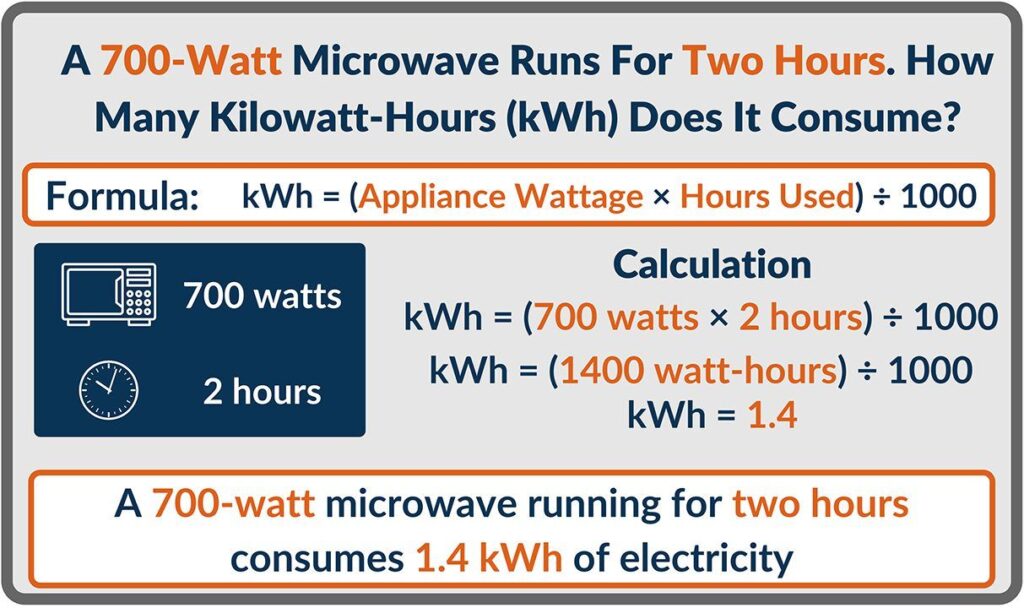
First off, it helps you make sense of your electricity bill. Those dreaded bills usually charge you per kilowatt-hour (kWh). A kilowatt-hour means using 1,000 watts for one hour. So, if you run that 1-kilowatt microwave for an hour, you've used 1 kWh of energy. Knowing this connection means you can start to estimate how much different appliances are contributing to your bill. Want to save money? Maybe think twice about running that ancient, energy-guzzling appliance for hours on end!
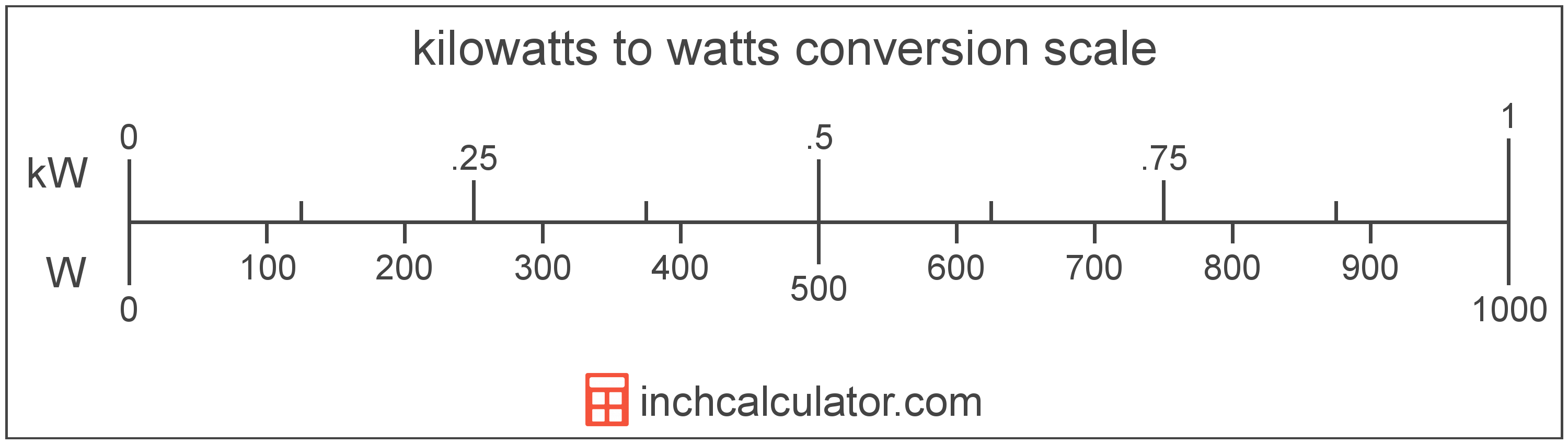
Secondly, it makes you a smarter shopper. When you're buying a new appliance, say an air conditioner or a space heater, you'll often see its power consumption listed in watts or kilowatts. A higher number means it's going to draw more power, which could mean a higher running cost. Being able to quickly convert watts to kilowatts in your head (just divide by 1,000!) gives you an instant sense of its energy appetite. It’s like knowing if a car is a gas guzzler or fuel-efficient just by looking at its engine size.
It also helps you understand bigger energy conversations. When you hear about solar panels, wind farms, or even electric car chargers, their capacities are almost always expressed in kilowatts (or even megawatts, which are a thousand kilowatts!). Knowing the basic relationship between watts and kilowatts is your entry ticket to understanding the scale of these energy solutions.
Fun Comparisons to Wrap Your Head Around It:
- Money: A watt is like a dollar bill. A kilowatt is like a stack of 1,000 dollar bills. You probably want to deal with the stack when discussing bigger purchases!
- Sips vs. Gulps: A watt is a tiny sip of an energy drink. A kilowatt is a huge, refreshing gulp!
- LEGO Bricks: Imagine a watt as a single LEGO brick. A kilowatt is a massive structure built from 1,000 of those bricks.
- Cars: A small remote-control car might use a handful of watts. A powerful electric sports car's motor might be rated in hundreds of kilowatts! That’s a lot of individual "power steps" all happening at once.
So, the next time you spot "watts" or "kilowatts" on an appliance, or even on your smart home energy monitor, you'll have a little secret smile. You'll know that a kilowatt isn't just a bigger word; it's exactly 1,000 watts, a convenient way to talk about the significant power that lights up our homes, charges our phones, and generally keeps the modern world spinning. Pretty neat, right? Go forth and understand your energy, you savvy power user!