How Many Watts In Ceiling Fan
Ever found yourself gazing up at your spinning ceiling fan, enjoying that gentle breeze, and then a little thought pops into your head: "How much energy is this thing actually using?" If so, you're not alone! It's a surprisingly common and useful question that taps into our desire for a comfortable home and a lighter energy bill. Understanding how many watts your ceiling fan consumes isn't just for electricians; it's a fun peek into the world of home efficiency, making you a savvier homeowner.
This topic is fantastic for a few different reasons, catering to various folks. For the beginners, perhaps you've just moved into a new place or are curious about managing household costs. Knowing the wattage helps you understand your home's energy footprint and makes sense of those electricity bills. For families, it's about smart budgeting and making informed decisions when buying new appliances. Choosing an energy-efficient fan can translate into real savings over time, freeing up funds for other family fun. And even for the budding hobbyists or DIY enthusiasts, diving into wattage details can be the first step towards optimizing your home's energy use, maybe even exploring smart home integrations or solar power compatibility. It's all about empowerment through knowledge!
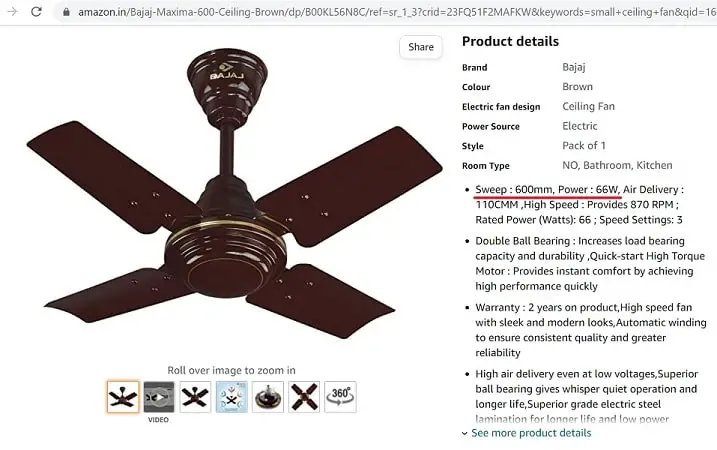
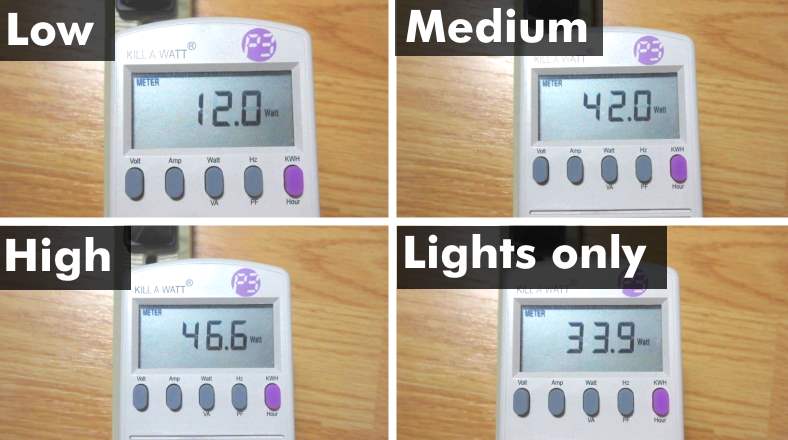
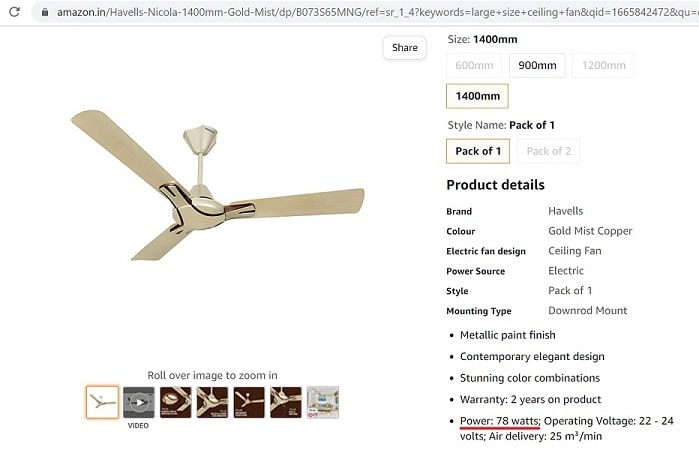
So, let's talk numbers! The wattage of a ceiling fan can vary quite a bit, generally ranging from around 15 watts to about 90 watts. This wide range depends on several factors. For example, a small, modern fan with a highly efficient DC motor (Direct Current) might sip as little as 15-30 watts on its highest setting. These DC motors are the new kids on the block and are significantly more energy-efficient than their older AC (Alternating Current) counterparts. An older, larger fan with an AC motor could easily draw 60-90 watts when running at full speed. Furthermore, the size of the fan, the number and pitch of its blades, and even the speed setting you choose (low speed uses less power than high) all play a role. Don't forget, if your fan has an integrated light kit, the wattage for the lights is separate and added on top of the fan's motor usage!
Must Read
Ready to become a ceiling fan energy guru? Here are some simple, practical tips to get started. First, the easiest way to find out your fan's wattage is to check the product specifications. This is often on a label on the motor housing, in the user manual, or on the manufacturer's website. If you're in the market for a new fan, always prioritize models with DC motors; they'll save you a noticeable amount on your electricity bill over their lifespan. Look for the Energy Star rating too, which signifies superior energy efficiency. When using your fan, remember that fans cool people, not rooms. So, when you leave a room, make it a habit to turn off the fan. Also, running it on a lower speed when possible will consume less energy than blasting it on high. Simple adjustments can lead to surprising savings!
Understanding "how many watts in a ceiling fan" might seem like a small detail, but it's a fantastic stepping stone to a more energy-aware lifestyle. It empowers you to make smarter choices, reduce your carbon footprint, and enjoy a more comfortable home without unnecessary energy waste. So go ahead, enjoy that breeze, knowing you're a little bit smarter about how your home runs!