How Many Watts In An Led Bulb
Ever found yourself staring at a light bulb package, perhaps a sleek new LED, and scratching your head at the numbers? We've all been there! It used to be so simple: a 60-watt bulb meant a certain brightness, and that was that. But with the incredible rise of LED technology, understanding "how many watts in an LED bulb" has become a fascinating little puzzle, and honestly, a pretty powerful bit of knowledge to have in your back pocket. It's not just about saving a few bucks; it's about understanding the energy that powers our homes and making smarter, more sustainable choices for our modern world.
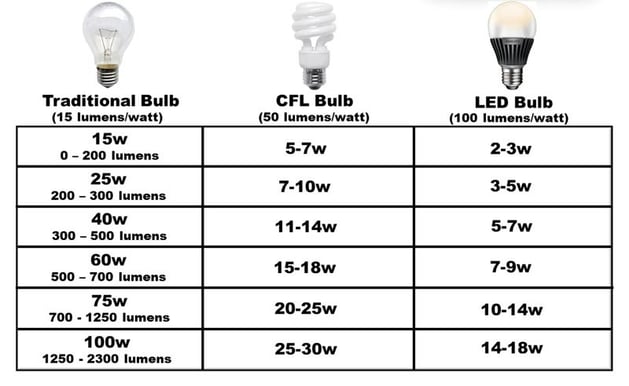
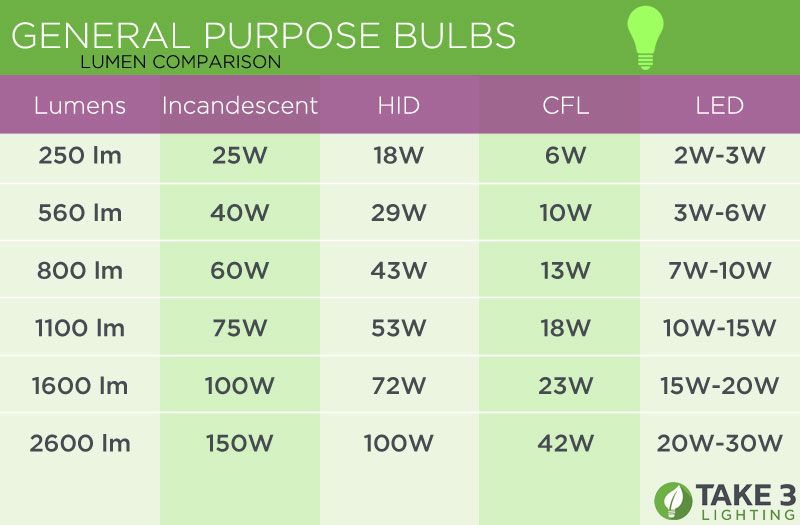
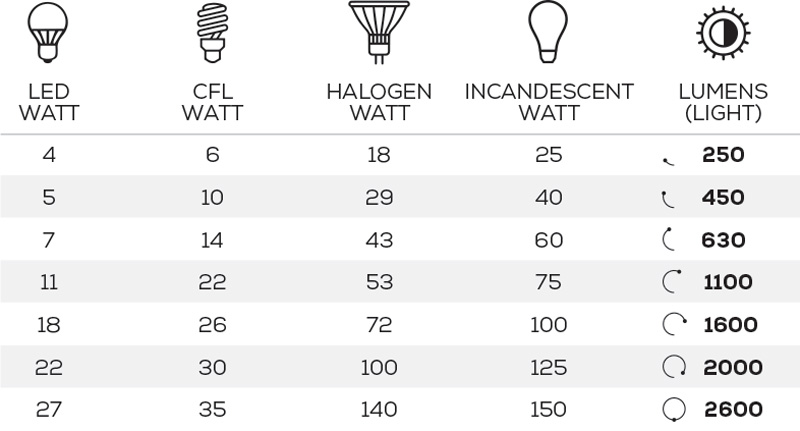
So, let's dive into why this seemingly small detail is actually a big deal. The traditional watt measurement told us how much energy an incandescent bulb consumed to produce light and a lot of heat. For LEDs, the game has changed completely. Their primary purpose is to deliver brightness using a mere fraction of the power. This is where the term lumens becomes our new best friend. Lumens measure the actual light output, the brightness you perceive, rather than just the energy input. An LED bulb might only use 9 watts, but it could easily produce the same number of lumens as an old 60-watt incandescent! The benefits of this shift are truly astounding: dramatically lower electricity bills, a significantly longer lifespan for your bulbs (meaning fewer replacements), and a much smaller environmental footprint due to reduced overall energy consumption. It’s a win for your wallet, your time, and the planet.
This knowledge isn't just for tech enthusiasts; it's incredibly useful in our daily lives and even has a valuable place in education. Imagine you're trying to illuminate your kitchen for intricate cooking – you'll want high lumens for bright, functional light. For a cozy bedroom reading lamp, fewer lumens and a warmer color temperature might be just perfect. When you're shopping for bulbs, armed with this understanding, you won't just grab a "60W equivalent" and hope for the best. Instead, you'll specifically look for the lumens rating to ensure you get the exact brightness you need, alongside the low actual wattage an LED offers. In an educational setting, this can be a fantastic way to introduce core concepts of energy efficiency and sustainability to kids. Simple experiments comparing the heat and light output of different bulb types can make physics come alive, showing them the tangible impact of technological innovation on our energy consumption habits.
Must Read
Ready to explore this further in your own home? It’s super simple! First, take a peek at the packaging of your next LED bulb. You'll likely see three key numbers: the actual low wattage it consumes (e.g., 9W), the lumen output (e.g., 800 lumens), and often, its "incandescent equivalent wattage" (e.g., "60W Equivalent"). Focus on the lumens for brightness, and appreciate that tiny actual wattage! A fun tip is to compare an old incandescent bulb with a new LED side-by-side. Feel how much hotter the incandescent gets – that's a lot of wasted energy! If you're feeling a bit more adventurous, grab an inexpensive energy monitor (sometimes called a Kill-A-Watt meter) and measure the real-time power draw of various appliances, including your lights. You’ll be amazed at the difference. Understanding watts and lumens in LED bulbs isn't just technical jargon; it's a doorway to making smarter decisions about our energy use, one bright idea at a time.