How Many Watts Does The Average Refrigerator Use
Let's face it, we all love a cold drink on a hot day, or the peace of mind knowing our leftovers are safe and sound. Behind that chilled glass of milk and that perfectly preserved slice of pizza is a silent, tireless worker: your refrigerator. But have you ever stopped to wonder just how much power that modern marvel of food preservation is actually using? Understanding the energy consumption of your fridge can not only save you money but also help you make more eco-conscious choices.
The refrigerator is more than just a cold box; it's a cornerstone of modern life. It protects our food from spoilage, extending its lifespan and reducing waste. Imagine a world without refrigeration! We'd be shopping daily, meticulously planning meals, and probably suffering a lot more food poisoning. The fridge allows us to buy in bulk, prepare meals in advance, and enjoy a variety of foods regardless of the season. It’s a crucial component in keeping our families healthy and happy.
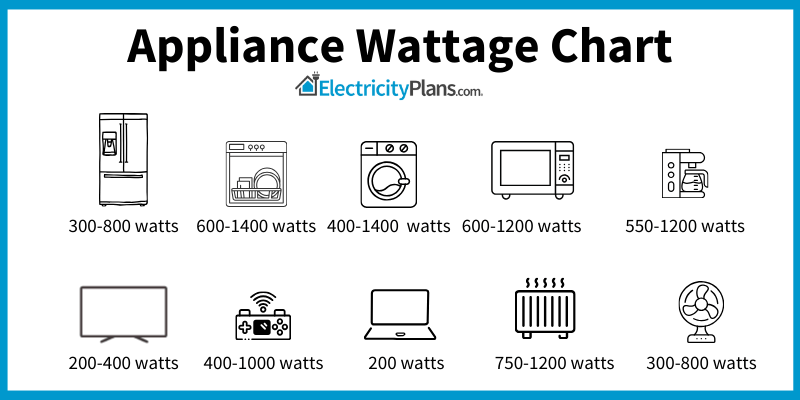
Refrigerators come in all shapes and sizes, each with varying energy demands. A small dorm-style mini-fridge will naturally use significantly less power than a large, side-by-side refrigerator with all the bells and whistles. Features like ice makers, water dispensers, and automatic defrost can all increase energy consumption. So, how much are we talking on average? Generally, a typical refrigerator uses anywhere from 100 to 400 watts while running. However, it's important to remember that refrigerators don't run constantly. They cycle on and off to maintain a consistent temperature. Therefore, the average refrigerator consumes around 100 to 250 kilowatt-hours (kWh) per year. This equates to roughly $12 to $30 per month on your electricity bill, depending on your local energy rates.
Must Read
Now that you have a better understanding of your refrigerator's energy usage, let's explore some practical tips to make it more efficient. First, keep your refrigerator well-maintained. Regularly clean the condenser coils, usually located at the back or bottom of the unit, as dust and debris can significantly reduce efficiency. A clean coil allows for better heat exchange, meaning your refrigerator won't have to work as hard to stay cold.

Second, avoid overcrowding your refrigerator. While an empty refrigerator is inefficient, an overly packed one restricts airflow, forcing it to work harder. Strive for a balance. Keep your refrigerator about two-thirds full. If you find yourself with extra space, consider filling empty containers with water to help maintain a more stable temperature.
Third, check your door seals. Worn or damaged seals allow cold air to escape, leading to increased energy consumption. Test the seals by closing the door on a dollar bill. If you can easily pull the bill out, the seal needs replacing. Finally, consider the age of your refrigerator. Older models are significantly less energy-efficient than newer ones. If your refrigerator is over 10 years old, it might be time to upgrade to an Energy Star-certified model. These refrigerators are designed to use less energy, saving you money in the long run and reducing your environmental impact. By implementing these simple tips, you can enjoy the convenience of a refrigerator without breaking the bank or harming the planet.