
How Many Watts Does It Take To Run A Television
Ever wondered how much oomph it takes to power that magical rectangle in your living room? We're talking about your beloved television, of course!
The Watt's Up Guide to TV Power
Let's dive into the surprisingly simple world of television wattage. It's not rocket science, promise!
Size Matters (in Watts!)
First things first: size plays a huge role. Think of it like this: a tiny teacup Chihuahua needs less food than a giant Great Dane. Similarly, a petite 32-inch screen sips power compared to a monstrous 85-inch behemoth.
Must Read
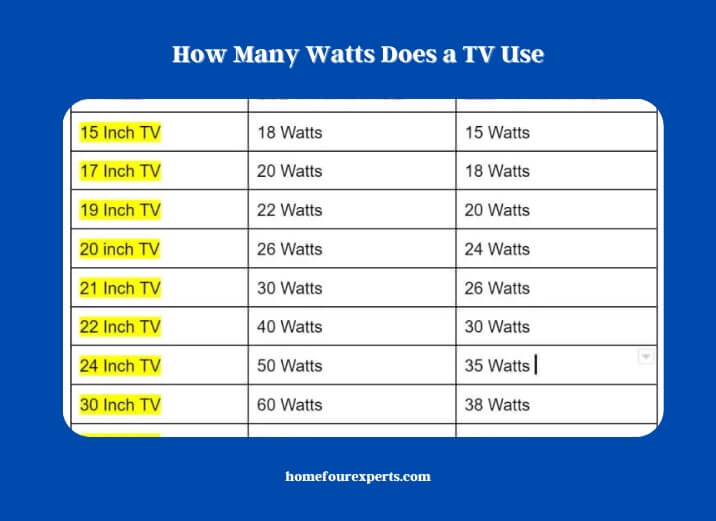
Typically, smaller TVs (think 32-43 inches) might use anywhere from 30 to 70 watts. Not too shabby!
But as you climb the size ladder, wattage climbs too. Larger screens (55-65 inches) often range from 70 to 150 watts. Things are getting a little thirstier now!
And those mega-screens (75 inches and beyond)? They can guzzle anywhere from 150 to a whopping 300+ watts. Time to break out the energy-efficient settings!
TV Tech: LED, LCD, and OLED, Oh My!
The type of screen technology also throws its hat into the ring. Each type has its own power quirks.
LED TVs are generally pretty energy-efficient. They use light-emitting diodes (LEDs) to illuminate the screen, and they're relatively frugal.
LCD TVs (Liquid Crystal Display) are a bit older technology, often paired with LED backlighting. They're still common and generally reasonable on power consumption.
OLED (Organic Light Emitting Diode) TVs are the new kids on the block, known for their stunning picture quality. They can be surprisingly energy-efficient because each pixel generates its own light, meaning black areas use virtually no power. This can have a profound effect.
The "Power Saving" Paradox
Most TVs come with power-saving modes. Sounds great, right?
They often dim the screen brightness, which can noticeably reduce wattage. It's like putting your TV on a diet!
However, sometimes these modes can make the picture look a little… dull. It's a trade-off between energy efficiency and visual enjoyment.
Standby Mode: The Sneaky Energy Vampire
Ah, standby mode. The silent power thief lurking in the shadows.
Even when your TV is "off," it's often still drawing a small amount of power, waiting for your command. It's like a tiny electronic sentinel, ever vigilant.
This standby power can add up over time. Unplugging your TV completely when you're not using it is a simple way to save a few extra watts.
Gaming Consoles and Streaming Sticks: The TV's Sidekicks
Don't forget about the other devices plugged into your TV. Your gaming console, streaming stick, or Blu-ray player all add to the overall power consumption.
Gaming consoles, especially when actively gaming, can draw a significant amount of power. Think of it as fueling a virtual adventure!

Streaming sticks are generally more energy-efficient, but every little bit counts.
Calculating Your TV's Energy Bill: A Simple Math Lesson
Want to know how much your TV is costing you in electricity? Grab your calculator!
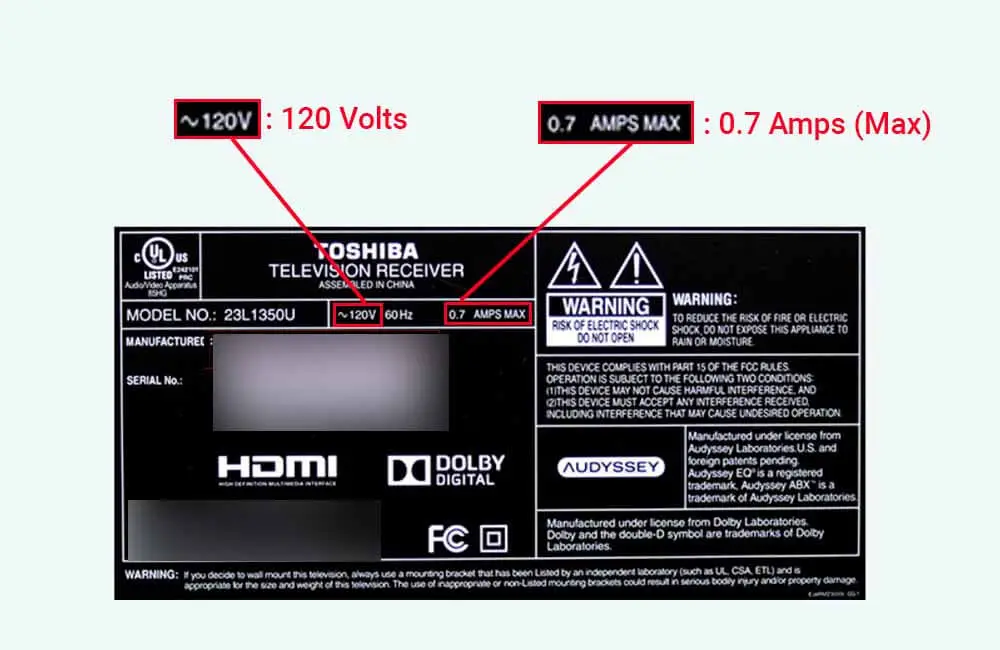
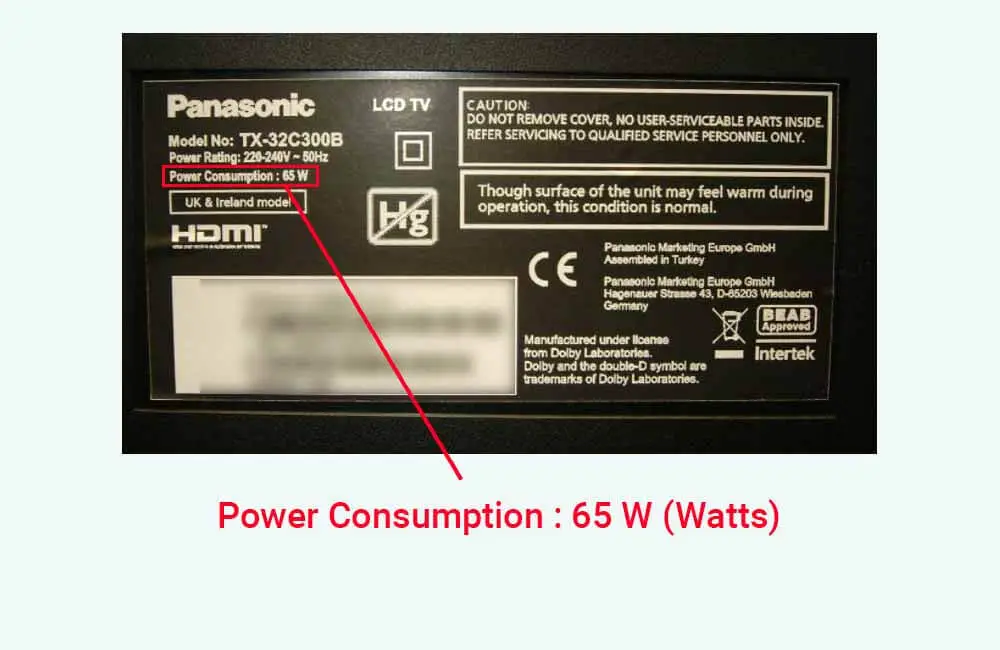
First, find your TV's wattage (it's usually listed on a sticker on the back). Let's say it's 100 watts.
Next, figure out how many hours you watch TV per day. Let's say 4 hours.
Multiply the wattage by the hours (100 watts x 4 hours = 400 watt-hours). Then divide by 1000 to get kilowatt-hours (kWh): 400 / 1000 = 0.4 kWh.
Finally, multiply the kWh by your electricity rate (check your bill). Let's say it's $0.15 per kWh: 0.4 kWh x $0.15 = $0.06 per day.
So, in this example, your TV costs you about 6 cents per day to run. Not bad at all!
The Heartwarming Side of Television
Beyond the numbers and watts, let's remember what TV really means to us.
It's the shared laughter during a family movie night. It's the edge-of-your-seat excitement of watching your favorite team win.
It's the connection we feel to characters and stories that move us. It can be heartwarming, educational, or simply a welcome escape from the everyday.
The Future of TV Power
As technology advances, TVs are becoming more and more energy-efficient. Manufacturers are constantly innovating to reduce power consumption without sacrificing picture quality.
Look out for energy-efficient certifications like Energy Star. These labels indicate that a TV meets certain energy-saving standards.
The future of television is bright (and hopefully, energy-saving!).
Little Changes, Big Impact: Tips for Saving Energy with Your TV
Want to be a TV energy-saving superhero? Here are a few simple tips:
Adjust your screen brightness. Lowering the brightness can significantly reduce power consumption. It's like turning down the sun a little bit!
Use power-saving modes. Experiment with different settings to find a balance between energy efficiency and picture quality.
Unplug your TV when you're not using it. It's the ultimate way to eliminate standby power drain. Consider using a smart power strip.
Consider the size of your next TV. Think about whether you really need that massive screen, or if a slightly smaller one would suffice.
Choose energy-efficient models. Look for Energy Star certified TVs when you're shopping.
The Final Scene: TV and Energy, A Love Story with a Twist
So, how many watts does it take to run a television? It depends! But now you have a better understanding of the factors involved.
From screen size to technology type, standby mode to gaming consoles, there are many elements that influence your TV's energy consumption.
By making small changes and being mindful of your usage, you can enjoy your favorite shows while also being kind to the planet (and your wallet!). Happy watching!
Remember: Even small changes can have a big impact. Every watt saved counts!
And who knows? Maybe all this talk about watts will inspire you to invent the next generation of ultra-efficient televisions! The world needs more energy-saving heroes.
After all, we all love a happy ending, especially when it involves saving energy and enjoying our favorite shows. Turn on, tune in, and power down responsibly!