How Many Watts Does It Take To Run A Furnace

Ever wonder what makes your home toasty warm in the dead of winter? It's probably your furnace, that hardworking appliance tucked away in your basement or utility closet. But have you ever stopped to think about how much power it takes to keep that warmth flowing? Understanding the energy demands of your furnace isn't just a nerdy pursuit; it's a practical way to become more aware of your energy consumption and potentially save money on your utility bills.
At its core, a furnace's job is to heat air and circulate it throughout your house. The benefits are obvious: comfort, safety from the cold, and the ability to enjoy indoor life regardless of the weather outside. But behind the scenes, this comfort comes at an energy cost. The furnace uses electricity to power various components, including the blower fan (which circulates the air), the igniter (which starts the combustion process), and the control board (which manages the whole operation). So, how many watts are we talking about?
The answer, unfortunately, isn't a simple one. The wattage a furnace requires varies greatly depending on several factors. These include the type of furnace (gas, oil, or electric), its size (measured in BTU or British Thermal Units), its age, and its efficiency. Electric furnaces, unsurprisingly, tend to be the biggest energy hogs, as they directly use electricity to generate heat. Gas and oil furnaces, on the other hand, primarily burn fuel for heat, but they still rely on electricity for the blower fan and other components.
Must Read
A typical gas furnace might draw anywhere from 300 to 600 watts when running. The blower fan is usually the biggest electricity consumer. Electric furnaces, however, can easily consume thousands of watts, potentially ranging from 5,000 to 20,000 watts or more depending on their size and heating capacity. That's a significant difference! Knowing these values allows you to make informed decisions.
In education, understanding furnace energy consumption can be a valuable lesson in energy efficiency and responsible resource management. Students can learn about different heating systems, calculate their energy costs, and explore ways to reduce their environmental footprint. In daily life, this knowledge can help you identify energy-wasting practices, such as setting the thermostat too high or failing to properly insulate your home. You can also use this information when shopping for a new furnace, allowing you to choose a more energy-efficient model.
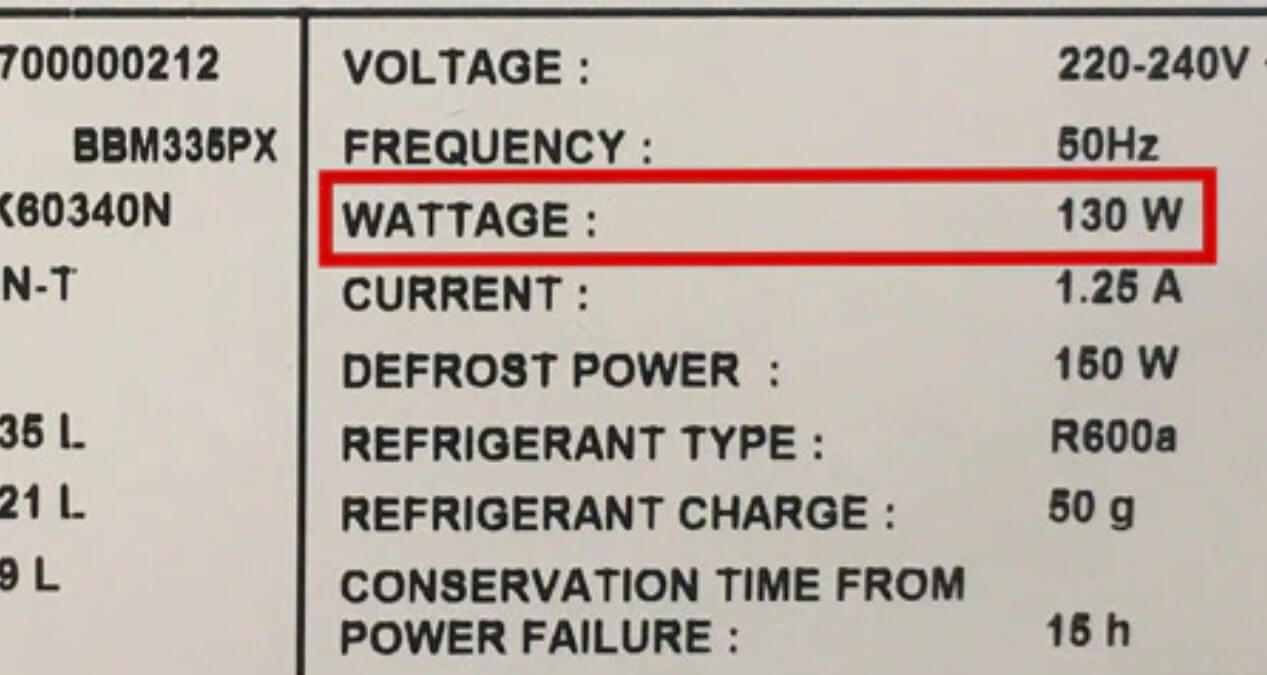
Want to explore this further? A simple way to get a rough estimate of your furnace's wattage is to check the nameplate on the unit. It usually lists the electrical specifications, including voltage and amperage. You can then multiply these two values (watts = volts x amps) to get the approximate wattage. Alternatively, you can use a “kill-a-watt” meter, a device that plugs into an outlet and measures the actual power consumption of appliances. This is a relatively inexpensive and informative way to monitor your furnace's energy usage in real-time.
Ultimately, understanding how many watts it takes to run your furnace empowers you to make smarter choices about your home's energy consumption. So, take a peek at your furnace's nameplate or consider using a meter to monitor its energy usage. You might be surprised by what you discover!