
How Many Watts Does It Take To Power A Home
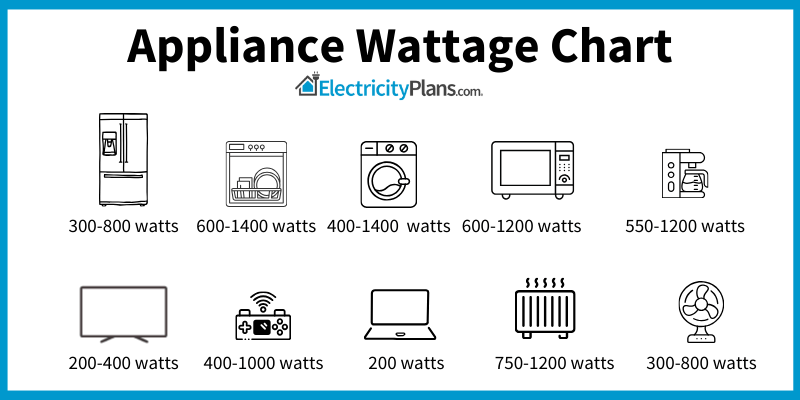
Ever wondered how much oomph it takes to keep the lights on, the fridge cold, and the TV playing your favorite shows? We're talking about watts, baby! Figuring out how many watts it takes to power your home might sound like a dull math lesson, but trust me, it's more like unlocking a superpower – the power to understand your energy bill, make smart choices, and maybe even save a few bucks.
Think of your home as a team, and each appliance is a player. Your fridge is the dependable defender, always on the field. Your microwave is the speedy striker, only there for short bursts. And your TV? Well, that's the MVP, entertaining everyone. Each player needs a certain amount of "energy" (watts) to perform.
So, How Many Watts Are We Talking?
Here's the thing: there's no single, magic number. It's like asking how many snacks you need for a road trip – depends on how long you're driving and how hungry you are! But we can get a rough idea.
Must Read
A typical American home uses around 1 to 3 kilowatts (kW) on average at any given moment. Remember, 1 kilowatt equals 1000 watts. So, that's 1000 to 3000 watts. Now, that's an average, so let's break it down.
Imagine a quiet evening. Maybe the fridge is humming along (around 100-200 watts), a couple of lights are on (let's say 60 watts each), and the TV is playing (maybe 150 watts). That's already a few hundred watts right there!

But then, BAM! You decide to microwave some popcorn (700-1000 watts). Suddenly, your power usage spikes! Add in the dishwasher (1200-1500 watts) and the washing machine (300-500 watts) running simultaneously, and you're looking at a significant draw. It all adds up. This also doesn't factor in larger appliances.
And don't even get me started on air conditioning or electric heating! Those are the power-hungry giants of the household. A central AC unit can easily gulp down 3000-5000 watts, and electric heaters aren't far behind.

Why Should You Even Care?
Okay, so watts are just numbers, right? Wrong! Understanding your home's power consumption is like knowing your bank balance. It lets you:
- Save Money: Knowing which appliances are energy hogs allows you to make conscious choices. Maybe you only run the dishwasher when it's full, or switch to energy-efficient LED light bulbs (which use significantly fewer watts than traditional bulbs). Small changes can make a big difference on your electricity bill.
- Avoid Overloads: Ever tripped a circuit breaker? That's what happens when you try to draw too many watts from a single circuit. Understanding your power needs helps you avoid overloading circuits and potential electrical hazards. Imagine trying to run the microwave, hair dryer, and space heater all on the same outlet! Yikes!
- Go Green: Reducing your energy consumption is good for the planet! Using less power means less reliance on fossil fuels and a smaller carbon footprint. It's a win-win!
- Prepare for Emergencies: Thinking about getting a generator for power outages? Knowing your essential watt needs will help you choose the right size generator to keep the lights on and the fridge running.
Figuring Out Your Own Home's Wattage
Alright, ready to get your detective hat on? Here are a few ways to estimate your home's power usage:
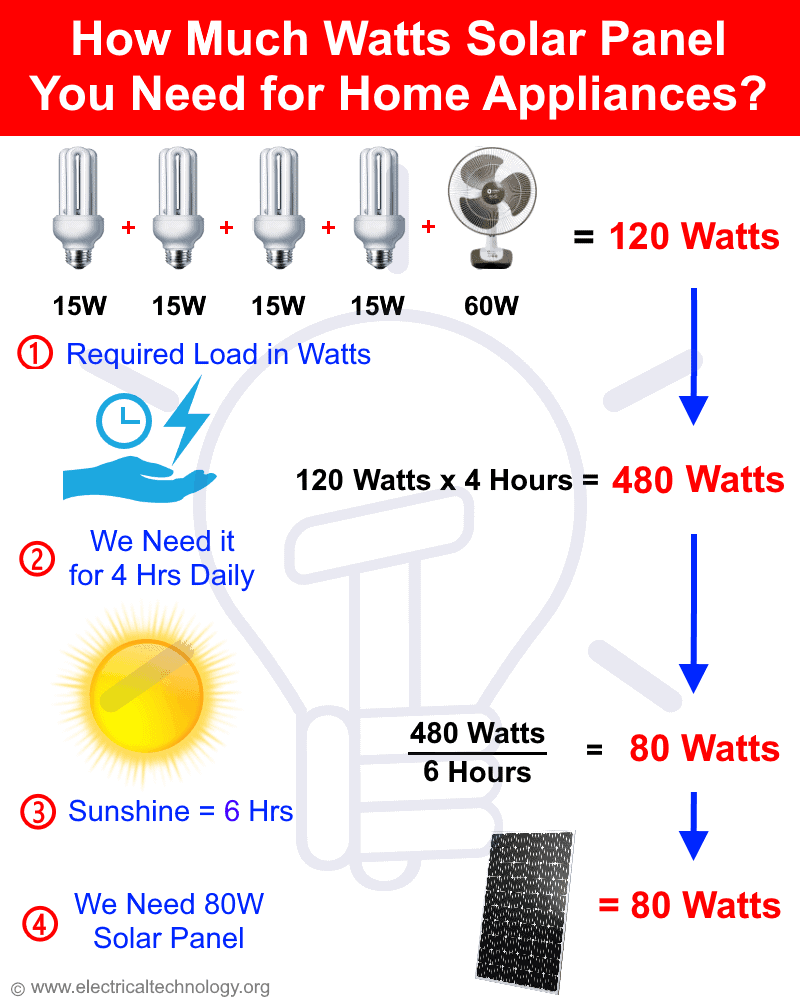
- Check the Appliance Labels: Most appliances have a label (usually on the back or bottom) that lists their wattage. Look for "Watts" or "W." If it only lists amps (A), you can multiply amps by voltage (usually 120V in the US) to get watts (Watts = Amps x Volts).
- Use a Watt Meter: These handy gadgets plug into an outlet and measure the actual power consumption of whatever is plugged into them. You can find them online or at most hardware stores.
- Review Your Electricity Bill: Your bill shows your total kilowatt-hour (kWh) usage. Divide that number by the number of hours in the billing period to get your average power consumption in kilowatts. Then, multiply by 1000 to get watts. (Beware that this is over a longer period of time and won't give you an instantaneous reading)
Think of it like this: understanding your home's wattage is like understanding its appetite. Once you know what it likes to "eat," you can make sure it's getting a balanced "diet" of energy without overdoing it. Plus, you'll be better equipped to manage your energy costs and contribute to a more sustainable future. So go forth and conquer those watts!
Knowing the wattage it takes to power your home is all about being a more informed and empowered homeowner. Don't be afraid of the numbers, embrace them! You might be surprised at what you discover.
