How Many Watts Does An Electric Water Heater Use

Let's talk water heaters! Now, I know what you're thinking: "Water heaters? Fun? Engaging?" But hear me out! Think about it – hot showers, clean dishes, sparkling laundry. All these everyday comforts are brought to you, in part, by the humble water heater. Understanding how much energy it uses can save you money and help you be a little kinder to the planet. Plus, it’s a fun fact to bust out at your next dinner party (okay, maybe not, but you'll be prepared!).
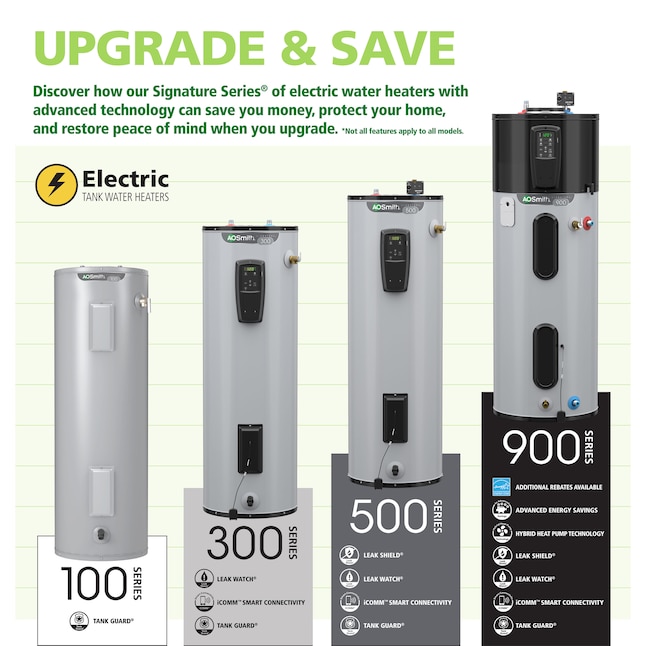
The purpose of an electric water heater is pretty straightforward: to heat water and keep it hot until you need it. The benefit? Instant access to hot water whenever you need it. No more waiting for the kettle to boil for your tea, or suffering through a cold shower on a chilly morning. But this convenience comes at a cost – energy. So, how many watts are we talking about?
The short answer is: it depends! But generally, most electric water heaters use between 3,000 to 5,500 watts. That’s a pretty wide range, and several factors influence the actual wattage. First, is the size of the tank. Larger tanks require more energy to heat a greater volume of water. Second, the age of the heater matters. Older models tend to be less efficient and may draw more power. Third, and perhaps most importantly, is the thermostat setting. The hotter you want your water, the more energy the heater will consume.
Must Read
To get a better idea of your water heater's specific wattage, check the nameplate on the unit itself. This plate usually lists the wattage, voltage, and other important information. You'll likely find it near the bottom of the tank. Once you know the wattage, you can start to calculate how much it's costing you to run. For example, a 4,000-watt water heater running for one hour uses 4 kilowatt-hours (kWh) of electricity. Multiply that by your electricity rate (found on your electric bill), and you'll know how much that hour cost.

Now, let's talk about controlling those costs! Here are a few tips to help you save energy and money on your water heating:
- Lower the thermostat: Most manufacturers recommend setting your water heater to 120°F. This is hot enough for most needs and can save you significant energy.
- Insulate your water heater: An insulation blanket can help prevent heat loss, especially for older models.
- Fix leaks promptly: Even small leaks can waste a lot of water and energy over time.
- Consider a tankless water heater: These models heat water on demand, eliminating the need to keep a tank of water constantly hot. They can be more energy-efficient in the long run, though they often have a higher upfront cost.
- Use water-saving showerheads and faucets: Less hot water used, less energy consumed. It’s a win-win!
So, there you have it! Understanding how many watts your electric water heater uses is the first step to managing your energy consumption and saving money. While it might not be the most glamorous topic, it's definitely a practical one. Now go forth and conquer your water heating costs!