
How Many Watts Does An Ac Use

Ever found yourself staring at your electricity bill, scratching your head, and wondering, "What on earth is sucking all that juice?" If you have an air conditioner, chances are a good chunk of that bill is thanks to your trusty cool-air creator. But how much, exactly? Let's demystify the mighty AC and its watt-gobbling ways!
Think of it like this: your AC is like a thirsty dragon on a hot day. It needs to drink, and what it drinks is electricity. How much it drinks is measured in watts. And trust me, some ACs are more like delicate sippers, while others are full-on gulping champions!
So, What's a Watt Anyway?
Imagine a tiny light bulb. A regular, old-fashioned incandescent one might use 60 watts. That's its "power appetite." Your AC, which is doing a lot more heavy lifting than illuminating your sock drawer, needs considerably more. We're talking hundreds, sometimes even thousands, of watts.
Must Read
When you see your electricity bill, it often talks about kilowatt-hours (kWh). Don't let that fancy term scare you! A kilowatt is simply 1,000 watts. So, if your AC uses 1,000 watts for one hour, that's 1 kWh. Easy peasy, right? It's like measuring how many cups of coffee your dragon drinks in an hour.
Why Should I Even Care About AC Watts?
Besides satisfying your inner nerd, understanding AC watts is actually super practical (and can save you some serious dough!):

- Your Wallet: This is the big one! More watts used means more money spent. Knowing this helps you make smarter choices.
- The Planet: Less electricity used means less strain on power grids and a smaller carbon footprint. You're doing your part for Mother Earth!
- Comfort Control: When you understand how your AC consumes power, you can tweak settings for optimal comfort without accidentally running up a bill that'll make you sweat more than the summer heat.
The Big Factors: What Makes an AC Guzzle More (or Less)?
Not all ACs are created equal. Here are the main culprits (or heroes!) in the wattage game:
1. Size (BTUs): It's Not Just About Your Waistline!
ACs are measured in BTUs (British Thermal Units), which basically tells you how powerful they are at cooling. A small window unit for a tiny bedroom might be 5,000 BTUs, while a central AC for a whole house could be 36,000 BTUs (that's 3 tons!).
Common sense alert! A bigger AC, designed to cool a larger space, will naturally use more watts. It's like comparing a bicycle to a monster truck – both get you around, but one requires a lot more fuel!
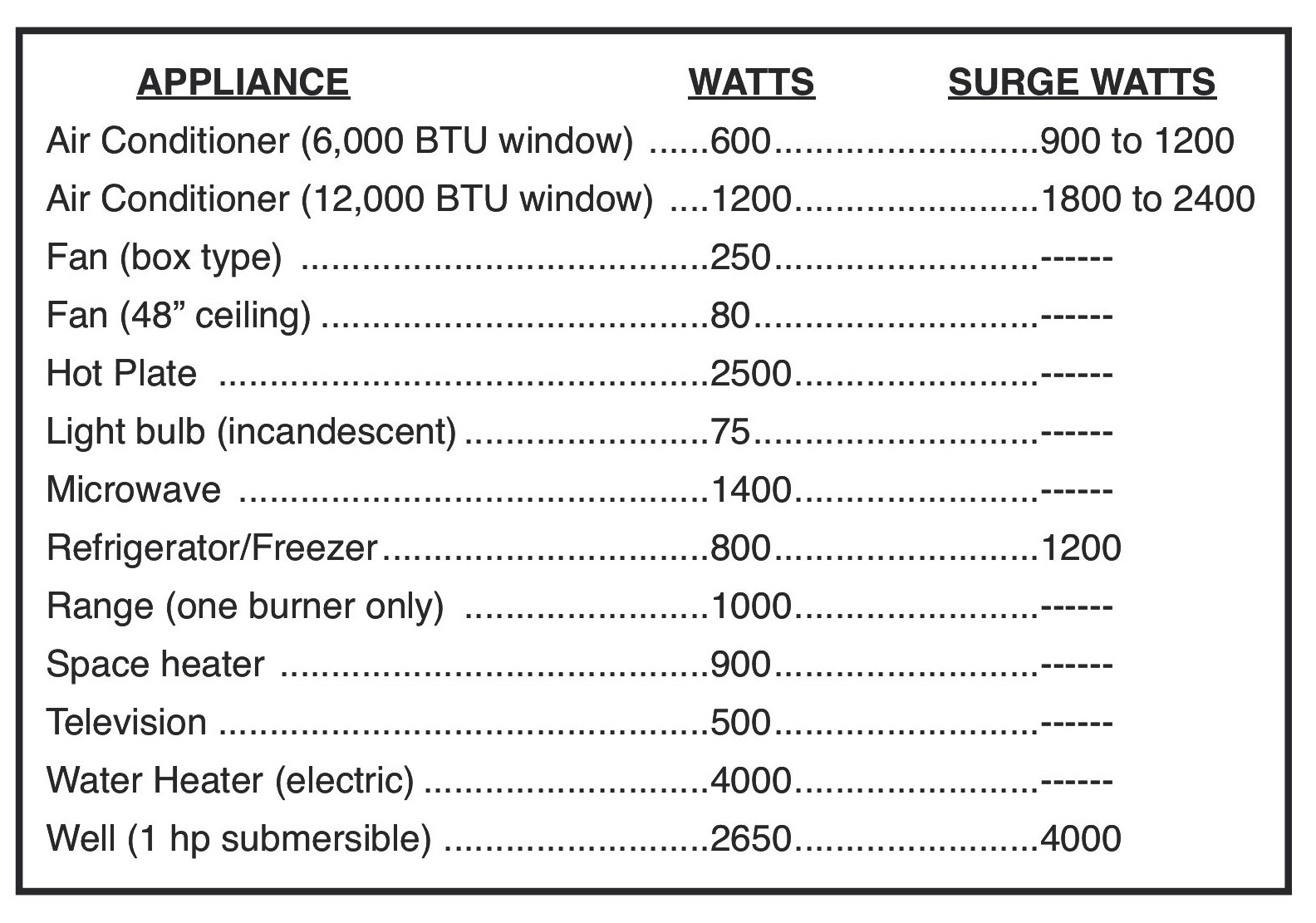
- A small window AC (5,000 BTU) might sip around 500-600 watts.
- A medium window AC (10,000 BTU) might drink around 1,000-1,200 watts.
- A large central AC (3-ton, 36,000 BTU) can gulp down anywhere from 3,000-5,000 watts when it's running full tilt!
2. Efficiency (SEER/EER): The Smart Sipper vs. The Guzzler
This is where things get interesting! Every AC has an efficiency rating:

- SEER (Seasonal Energy Efficiency Ratio) for central ACs.
- EER (Energy Efficiency Ratio) for window units.
The higher the SEER or EER number, the more efficient your AC is. Think of it like a car's gas mileage. A high-efficiency AC is like a hybrid that sips fuel, while an older, lower-rated unit is like a vintage muscle car that chugs it down. A brand-new, high-SEER unit might use significantly fewer watts to cool the same space than an old clunker.
3. How You Use It: Your Habits Matter!
This is probably the biggest variable. Your AC's wattage isn't constant; it changes based on a few things:
- Outside Temperature: On a scorching 100°F day, your AC works much harder (and uses more watts) than on a mild 80°F day.
- Desired Temperature: Setting your thermostat to a chilly 68°F instead of a comfortable 75°F forces your AC to run longer and harder. It's like asking your dragon to breathe ice instead of just cool air – more effort, more juice!
- Insulation: A well-insulated home keeps cool air in, meaning your AC cycles less often. A leaky, drafty house is like a sieve for cool air, making your AC work overtime.
- Maintenance: A dirty filter is like putting a pillow over your AC's mouth – it has to strain harder to pull in air, using more watts in the process. Clean those filters!
Bringing It All Together: A Little Story
My friend Sarah recently replaced her ancient, wheezing window AC unit. It was a 10,000 BTU model from the early 2000s, chugging along with an EER of 8. Her new unit, also 10,000 BTU, boasts a modern EER of 12. "It's incredible," she told me, "I can actually feel the difference on my bill! It's like my old AC was running a marathon every day, and this new one is just jogging comfortably." That higher EER means it's doing the same cooling job with significantly fewer watts, translating to real savings.
Your Superpower: Saving Watts (and Dollars!)
Now that you're an AC watt guru, here are some fun ways to put your knowledge to good use:
- Adjust Your Thermostat: Every degree you raise your thermostat in the summer can save you 3-5% on your cooling costs. Aim for 75-78°F when you're home, and higher when you're out. Your AC will thank you (and so will your wallet!).
- Regular Maintenance: Clean or replace your AC filters every month or two. Schedule professional tune-ups. It's like giving your dragon a spa day – happy dragon, less electricity!
- Seal Up Leaks: Weatherstrip doors and windows. Seal any gaps or cracks. Don't let your hard-earned cool air sneak out like a ninja in the night!
- Use Fans: Ceiling fans and portable fans make you feel cooler by circulating air, allowing you to set your thermostat a few degrees higher without sacrificing comfort.
- Shade Your Home: Close blinds and curtains during the hottest parts of the day. Plant trees strategically. Anything that blocks direct sunlight helps your AC work less.
So, the next time you feel that glorious blast of cold air, you'll know exactly what's behind it – and how to keep its power appetite in check. Being aware of how many watts your AC uses isn't just about understanding a number; it's about being smarter, saving money, and staying comfortable without breaking the bank. You're now officially an AC watt-watcher!