How Many Watts Does A String Of Led Lights Use
String lights! They're everywhere, aren't they? From twinkling fairy lights adding a touch of magic to bedrooms to festive holiday displays illuminating entire houses, string lights are a simple and effective way to brighten up any space. But have you ever stopped to wonder just how much electricity those little glowing bulbs are actually using? It's a surprisingly fun and practical question to explore, especially when you're trying to be mindful of your energy consumption and budget.
Understanding the wattage of your LED string lights is useful for everyone, regardless of your background. For beginners, it's a great introduction to basic electrical concepts and energy efficiency. Knowing that LEDs are significantly more energy-efficient than traditional incandescent bulbs can be a real eye-opener! For families, understanding wattage translates directly into controlling your electricity bill. If you're decorating for Christmas, a party, or even just adding ambiance to your backyard, knowing how much power your lights are drawing can help you make informed decisions and avoid unexpected charges. And for hobbyists, especially those interested in DIY projects or off-grid living, calculating wattage is crucial for planning power budgets and ensuring that your lighting setup is sustainable.
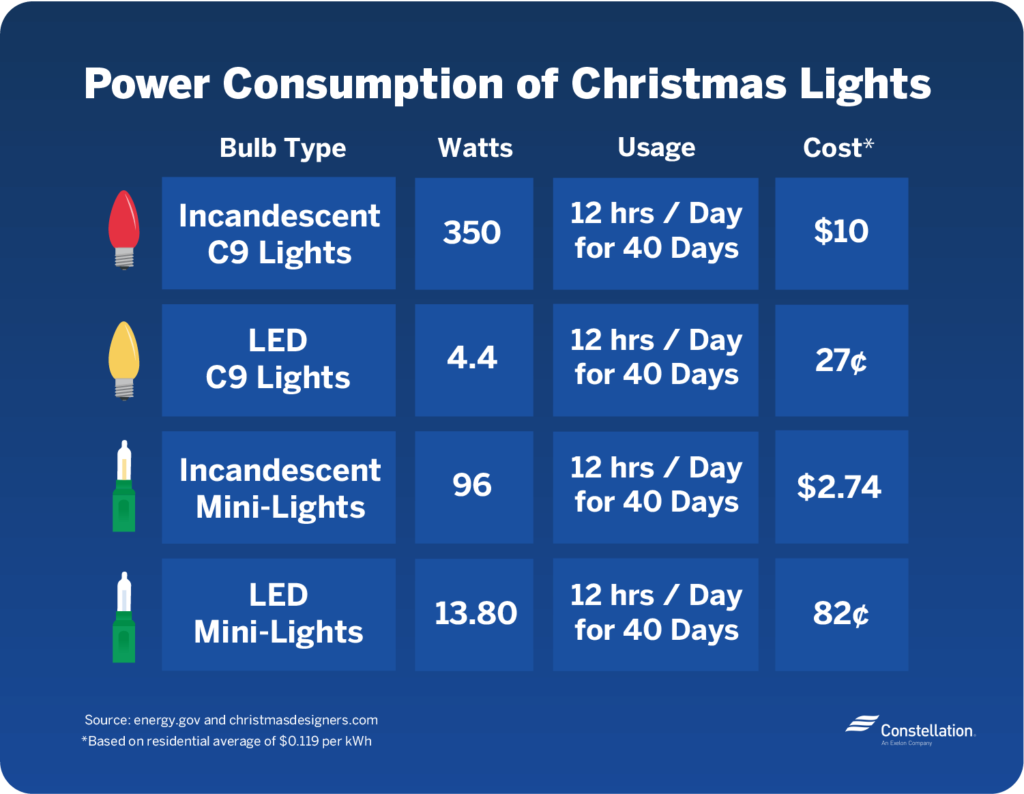
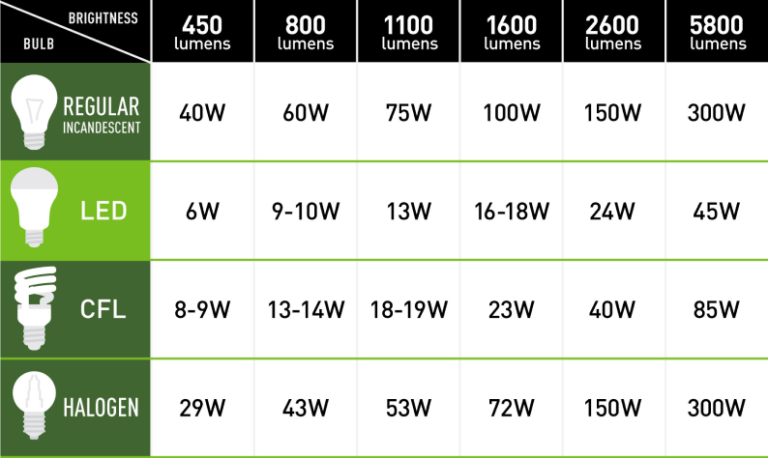
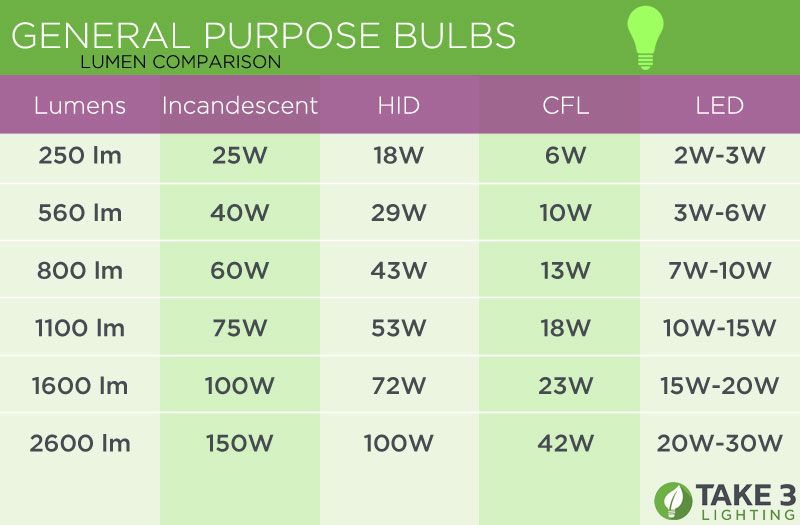
So, how many watts do LED string lights use? The answer, of course, is it depends! But generally, LED string lights are incredibly efficient. A typical string of 100 LED lights might only draw around 5-10 watts. Compare that to an older string of incandescent lights, which could easily consume 40-50 watts for the same number of bulbs! The exact wattage will usually be printed on the packaging or on a small tag attached to the string itself. Look for a label that says "watts" or "power consumption." Sometimes, you might see the current in amps (A) and the voltage (V). If so, you can calculate the wattage by multiplying the two: Watts = Amps x Volts.
Must Read
There are variations to consider. For example, larger, brighter LED bulbs will naturally consume more power than smaller, dimmer ones. Color-changing LEDs or those with special effects might also have slightly higher wattage requirements. Consider, too, the length of the string. A 100-light string will use less power than a 300-light string, assuming the bulbs are the same type. Some specialty lights, like those with battery packs for portable use, will have significantly different wattage figures as well, designed for low-power operation.

Getting started with understanding your string light's wattage is simple. First, locate the wattage information on the product label. If it's not readily available, try searching online for the product name or model number. If you still can't find the wattage, you can use a simple watt meter to measure the actual power consumption. These are relatively inexpensive devices that plug into a standard outlet and allow you to plug your lights into them, displaying the power draw in real-time. Another tip is to choose LED string lights over incandescent ones whenever possible – the energy savings are significant! Finally, if you're using multiple strings of lights, consider using a power strip with surge protection to protect your lights and your electrical system.
Ultimately, understanding the wattage of your LED string lights is about being a conscious consumer and making informed choices. Whether you're saving money on your electricity bill, reducing your carbon footprint, or simply planning a stunning lighting display, knowing the power requirements of your lights can make all the difference. So go ahead, get creative with your string lights, and enjoy the magic they bring, knowing you're doing it in an energy-efficient way!