
How Many Watts Does A Dryer Use
Ah, laundry day. A ritual as old as... well, clothes themselves. We sort. We wash. Then comes the moment of truth: the great migration to the dryer.
You toss in your damp socks. Your still-damp towels. You hit the button. A reassuring hum fills the air. Warmth begins to circulate. And then, for a brief, fleeting moment, a thought might just flicker across your mind. A truly profound, mind-bending question.
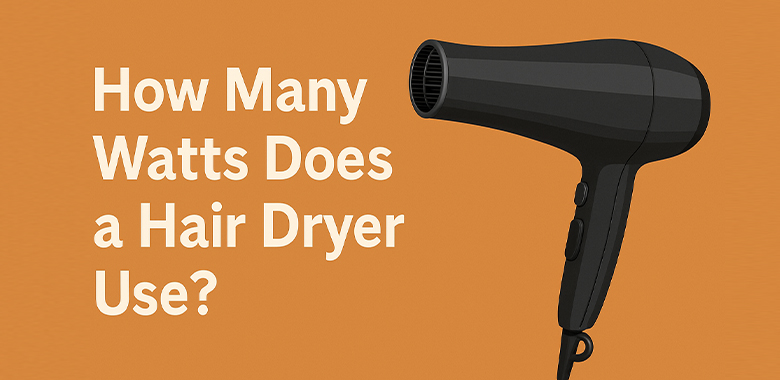
How Many Watts Does A Dryer Use?
Deep stuff, right? It sounds like a question for engineers. Or maybe someone wearing a lab coat, frantically scribbling equations on a whiteboard. But it’s a fair question! We all pay the bills. We all wonder where our hard-earned cash goes.
Must Read
“Is this thing secretly running a small city?” you might muse, eyeing the power cord suspiciously.
Now, here's where my "unpopular opinion" comes in. The truth is, the exact number of watts a dryer uses is a bit like asking "how long is a piece of string?" It varies. A lot. And frankly, for most of us, knowing the precise number down to the decimal point isn't nearly as important as understanding the bigger picture.
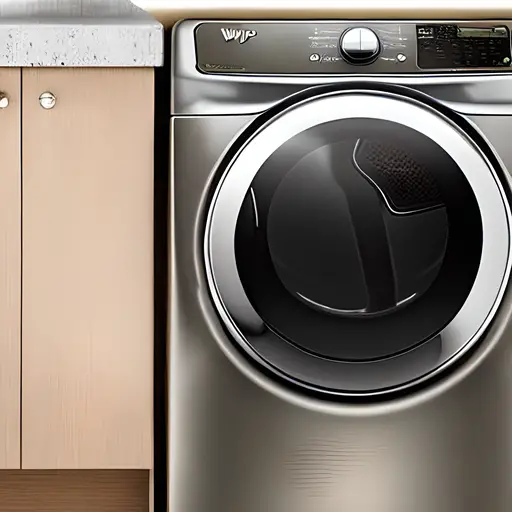
Most electric dryers are true powerhouses. They're designed to blast heat and spin clothes, and that takes energy. A lot of energy. We’re often talking thousands of watts here. A typical electric dryer can pull anywhere from 2,000 to 6,000 watts when it's really humming. Yes, thousands. That's a serious appetite for electricity!
But why the range? Well, your dryer isn't a simple light bulb. It's a complex beast with several moving parts and settings. For starters, is it an electric dryer or a gas one? Gas dryers still use electricity, but far less, mainly for tumbling and igniting the gas. Electric dryers, on the other hand, use electricity to generate all that lovely heat.

Then there's the heat setting. Are you going for High Heat Inferno or a gentle, breezy Low Tumble? The hotter it gets, the more electricity it gulps. The size of your load matters too. A tiny load of delicates will demand less effort than a mountainous pile of soaking wet bath sheets. And don't forget the age and efficiency of your appliance. A shiny new Energy Star model will be much more frugal than your grandma’s trusty, albeit ancient, workhorse.
So, the real takeaway isn't just about the number itself. It's about what that number means for your wallet and, yes, for the planet. Dryers are often one of the biggest energy consumers in your home, right up there with your water heater and fridge.
But fear not, fellow laundry warriors! While the exact wattage might remain a delightful mystery, there are simple, non-engineer-level things you can do to be a savvy dryer user. These tips won't require you to pull out a multimeter, just a little common sense.
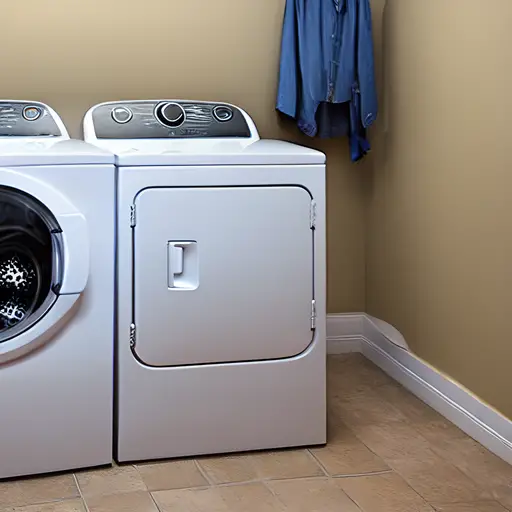
First, the golden rule: Clean that lint trap! Seriously. Every single time. A clogged lint trap makes your dryer work harder, use more energy, and takes longer to dry. Plus, it’s a fire hazard. So, make it a habit. Your dryer (and your wallet) will thank you.
Next, don't overload the machine. Give those clothes some room to tumble freely. Overloading means clothes stay damp longer, requiring more cycles and more watts. Spin your clothes thoroughly in the washing machine first. The less water they carry into the dryer, the less work the dryer has to do.

And if you can, embrace the great outdoors! Air drying clothes on a line or a rack is the ultimate energy saver. Your nose will thank you for that fresh scent, too. When you do use the dryer, consider using lower heat settings when possible, and dry similar fabrics together to ensure even drying.
So, back to our initial question: How many watts does a dryer use? The precise answer is a wonderfully complex dance of factors. But for us, the everyday heroes of the laundry room, the more important answer is this: enough to warrant smart habits. Enough to make us appreciate those warm, fluffy towels even more.
Don't get hung up on the exact digits. Focus on being efficient. Focus on cleaning that lint trap. Focus on the joy of a perfectly dry load. And maybe, just maybe, give your hardworking dryer a little pat on the side. It earns its keep, watts and all!