
How Many Watts Does A 100 Watt Solar Panel Produce
So, you're thinking about solar panels, huh? Good for you! Saving the planet, one (slightly confusing) calculation at a time. Let's tackle a question that's probably crossed your mind: how many watts does a 100-watt solar panel actually produce?
The "100-Watt" Myth (Kind Of)
Okay, deep breath. Here's the thing: that shiny "100-watt" label is a bit like that "family size" bag of chips that disappears in, like, five minutes. It's...aspirational. It's the panel's ideal output. Think of it as its best-case-scenario selfie.
In a laboratory, under perfect conditions (think blazing sunshine, perfect angle, and a scientist meticulously cleaning the panel every five seconds), yeah, you might get 100 watts. But real life isn't a lab, is it? No. It's messy. It's cloudy. It involves birds.
Must Read
Think about it: do you always perform at 100% capacity? Probably not. You have bad hair days, days when you accidentally spill coffee on your white shirt, days when you just really, really need a nap. Solar panels are the same. They're trying their best, but life happens.
So, What's the Real Deal?
The real-world output of a 100-watt solar panel is going to be less than 100 watts. How much less? Well, that depends on a bunch of factors. We're talking sunlight intensity, the panel's angle to the sun, temperature (solar panels don't love being super hot), and even shading.
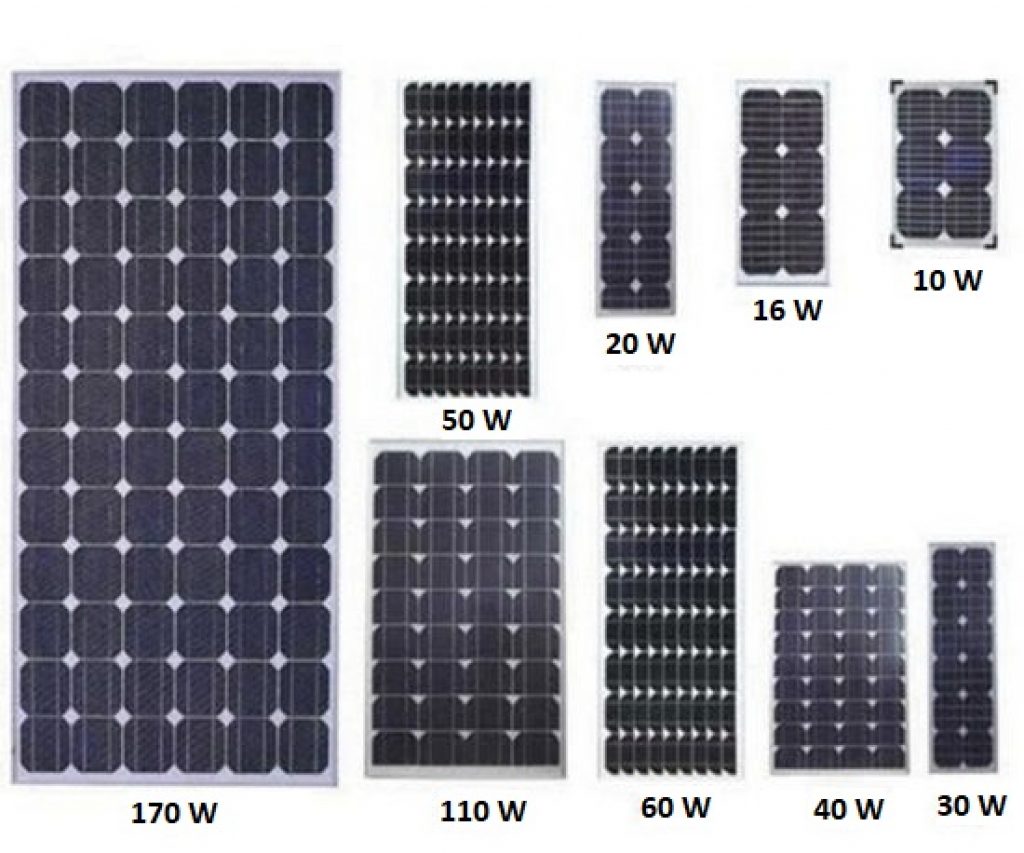
Generally, you can expect a 100-watt panel to produce somewhere between 50 and 80 watts on a sunny day. That's a pretty big range, I know. It's like asking how long it will take to drive somewhere. The answer is always "it depends on traffic."
Consider this: Cloudy day? Kiss those watts goodbye. Suboptimal angle? More watts waved goodbye. Panel covered in bird droppings? Okay, maybe that's an exaggeration (hopefully!), but you get the picture.

The Unpopular Opinion (Brace Yourselves)
Here comes my potentially controversial take: We obsess too much over getting exactly 100 watts from a 100-watt panel. Newsflash: that's not the point! The point is to harness the sun's energy to power your life, even a little bit. The point is to reduce your reliance on fossil fuels.
Are you going to perfectly calculate your energy needs and match them exactly with your solar panel output? Probably not. Will you get a slightly smaller return compared to what a calculator suggested? Maybe. Is that a reason to give up on solar power altogether? Absolutely not!
I believe small steps count. A 100-watt panel might not power your entire house, but it can charge your phone, power a small fan, or keep your camping gear juiced up. Every little bit helps.

Instead of stressing about squeezing every last watt out of your panel, focus on optimizing your setup. Make sure your panel is clean. Position it to maximize sunlight exposure. And don't beat yourself up if you don't hit that magical 100-watt mark. Even 60 watts is pretty darn good!
Don't Let Perfection Be the Enemy of Good
So, to answer the original question: a 100-watt solar panel produces...well, it produces less than 100 watts in the real world. But who cares? (Okay, engineers probably care. But we're not all engineers.)
The important thing is that you're embracing renewable energy. You're making a difference. And you're probably saving some money in the long run. Isn't that worth a little bit of watt-related ambiguity?
Remember, solar power isn't about perfection; it's about progress. So go forth, harness the sun, and don't let the quest for that elusive 100 watts steal your sunshine!
“The best time to plant a tree was 20 years ago. The second best time is now.” - Chinese Proverb (And relevant to solar panels!)