
How Many Watts Are In A Volt
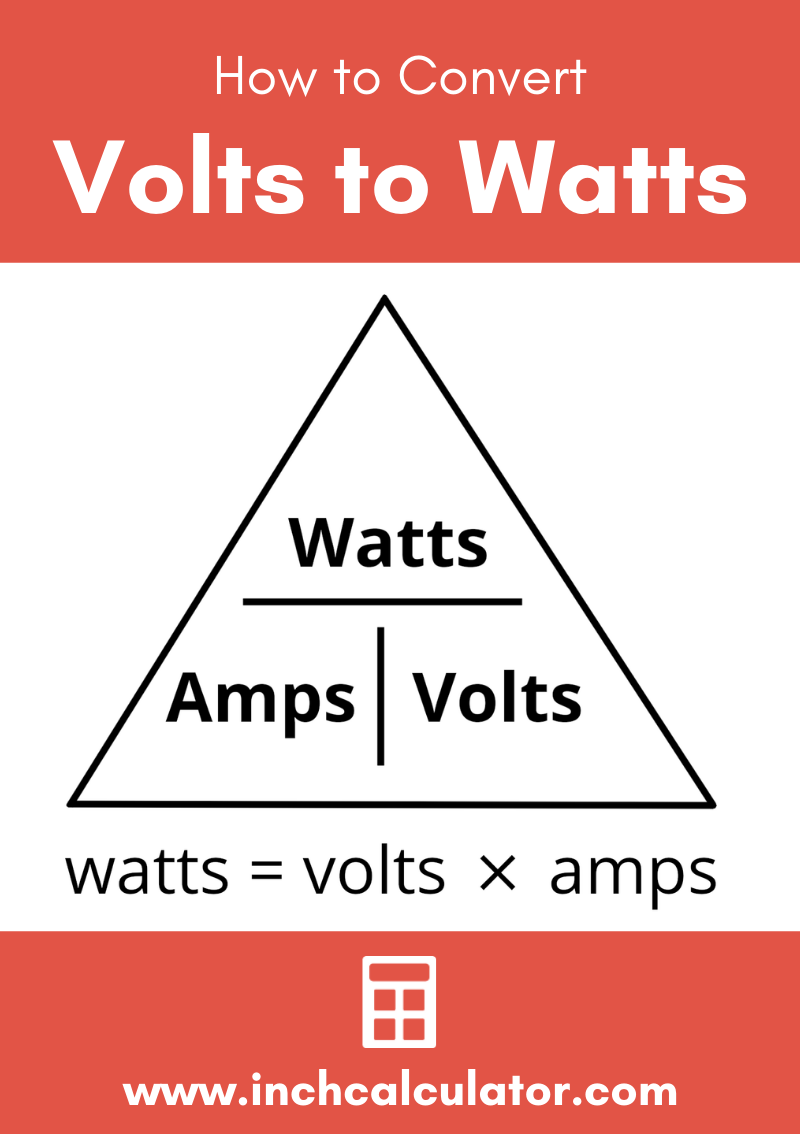
Alright, settle in, because we're about to tackle one of those brilliantly baffling questions that pops into your head at 3 AM while you're staring at a charging phone: "How many watts are in a volt?"
Go on, admit it. You've wondered, haven't you? It sounds like such a logical question. Like, "How many inches in a foot?" or "How many minutes in an hour?" But here's the hilarious, mind-bending truth: it's a bit like asking, "How many sprinkles are in a rainbow?"
The Big Reveal: It's a Trick Question!
Yep, you heard that right! The direct answer to "How many watts are in a volt?" is... none. Zero. Zip. Nada. And before you throw your metaphorical shoe at the screen, let me explain why this isn't some cruel joke, but rather a fantastic gateway into understanding electricity in a super fun, no-sweat way.
Must Read
Volts and watts aren't just different units; they measure fundamentally different aspects of electricity. Imagine you're talking about a river. You wouldn't ask, "How many gallons per minute are in a river's speed," would you? That's because "gallons per minute" measures flow, and "speed" measures velocity. Different ideas entirely!
Meet the Voltage: The "Push" Behind the Power
Let's start with the volt (V). Think of voltage as the electrical pressure or the "push" that makes electrons want to move. It’s like the water pressure in a garden hose. The higher the voltage, the harder those electrons are trying to get somewhere. A tiny AA battery? That’s about 1.5 volts – a gentle nudge. Your wall socket? That’s 120 volts (in North America) or 230 volts (in many other places) – a much stronger push! And lightning? We’re talking millions of volts! That’s a serious push!
Named after the brilliant Italian physicist Alessandro Volta, who invented the first true battery, volts give us a sense of the potential for power.
Now, Say Hello to the Watt: The "Oomph" of Electricity
Next up, we have the watt (W). Watts are all about power. This is the actual rate at which electrical energy is being used or produced. If volts are the pressure in your water hose, watts are the force of the water hitting something and doing work – maybe spinning a little water wheel or washing away grime.
A 60-watt light bulb glows nicely. A 1000-watt microwave zaps your leftovers in a flash. The more watts something has, the more "oomph" it's packing. Watts tell you how much work is getting done per second. It's the ultimate measure of electrical muscle!
And who do we thank for this unit? None other than James Watt, the Scottish inventor whose improvements to the steam engine powered the Industrial Revolution. See? History and physics, all rolled into one!
The Missing Piece of the Puzzle: Amps!
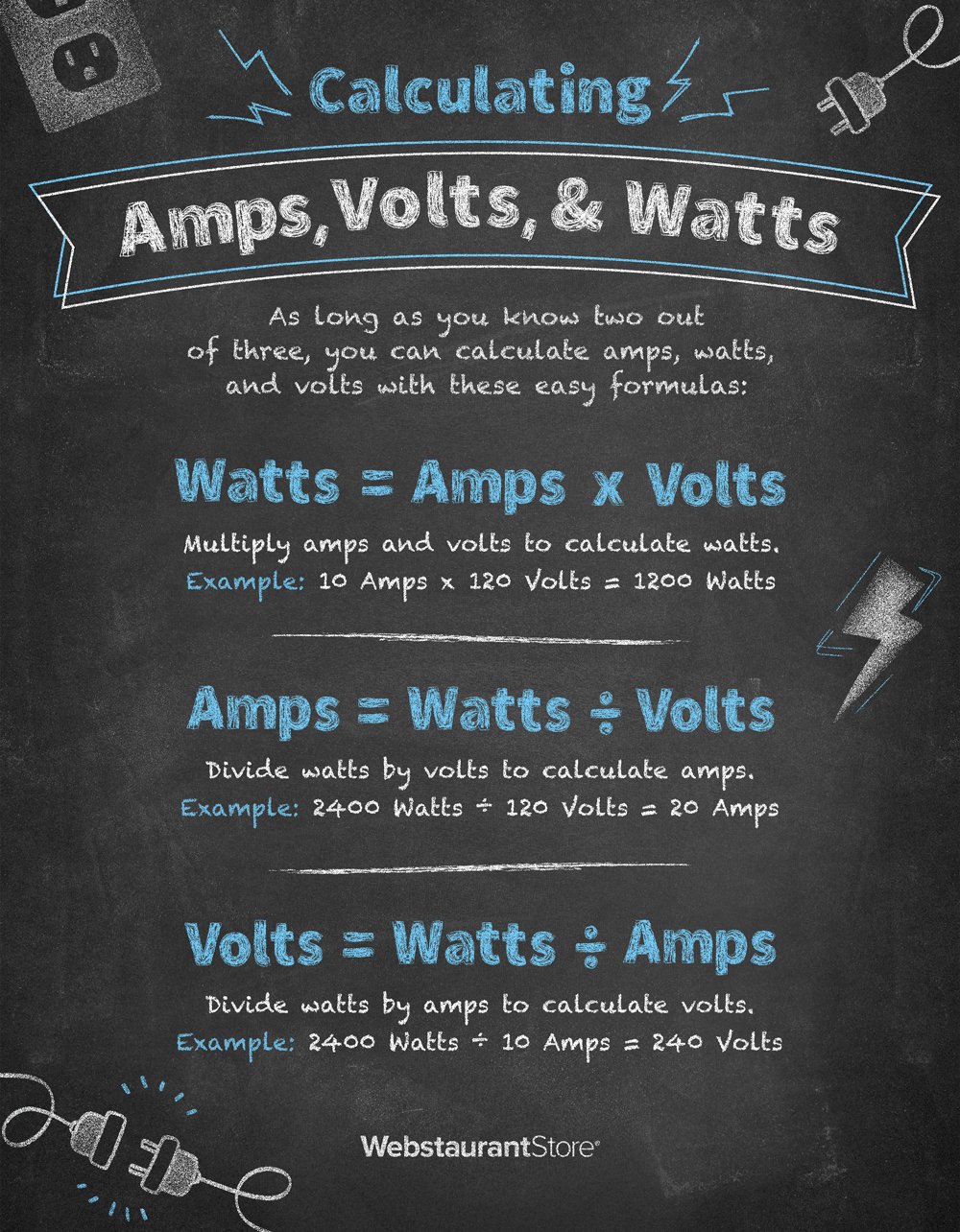
So, if volts are the "push" and watts are the "oomph," how do we connect them? We need a third amigo: the ampere (A), or just "amp" for short. Amps measure the rate of electrical current flow. Sticking with our water analogy, if volts are the water pressure, amps are the actual amount of water flowing through the pipe at any given moment.
You can have high pressure (volts) but a tiny trickle (amps), or low pressure with a gushing torrent. It's the combination of pressure and flow that determines the real power.
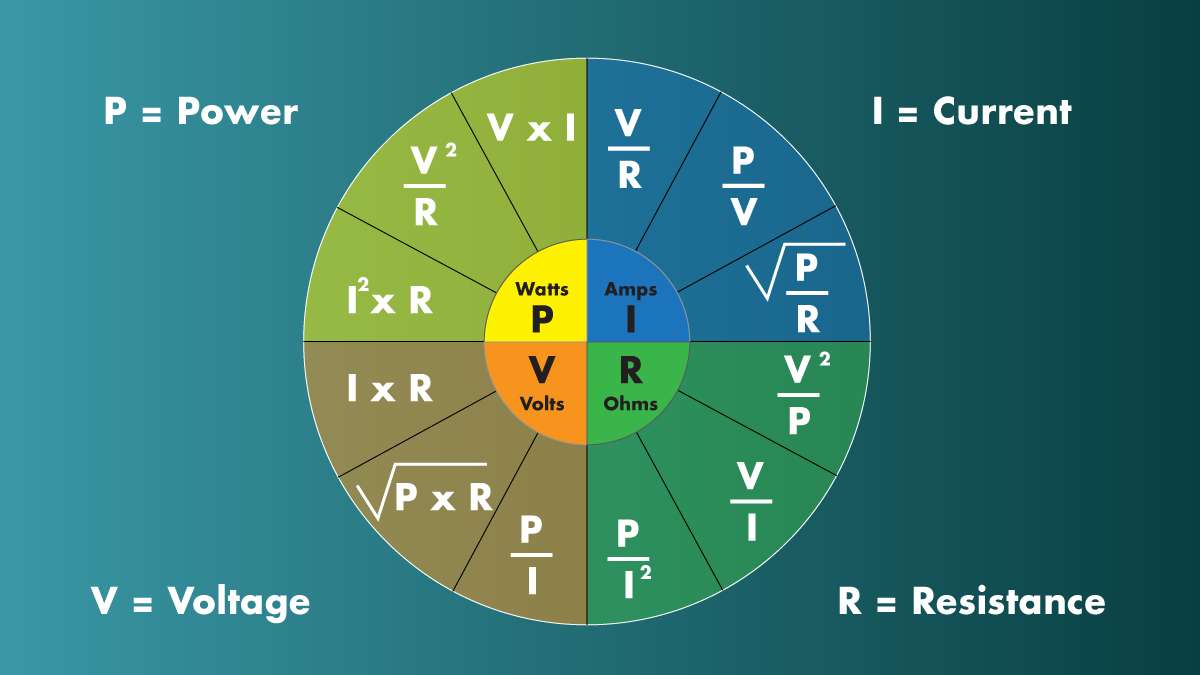
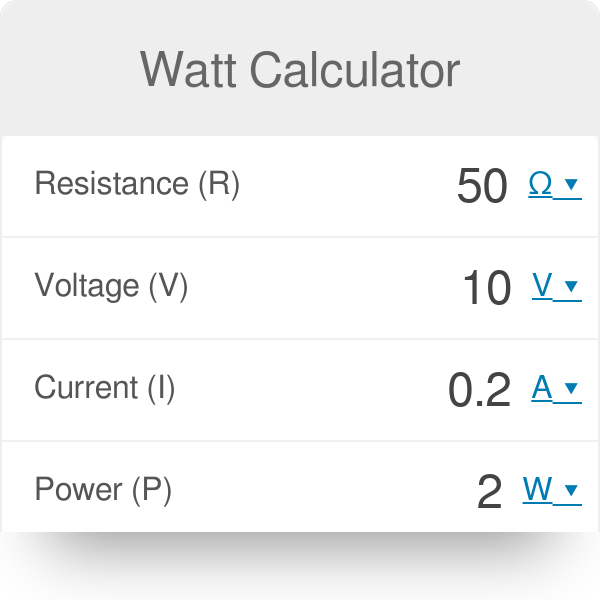
And here’s the magic formula, the secret handshake of electricity: Volts x Amps = Watts!
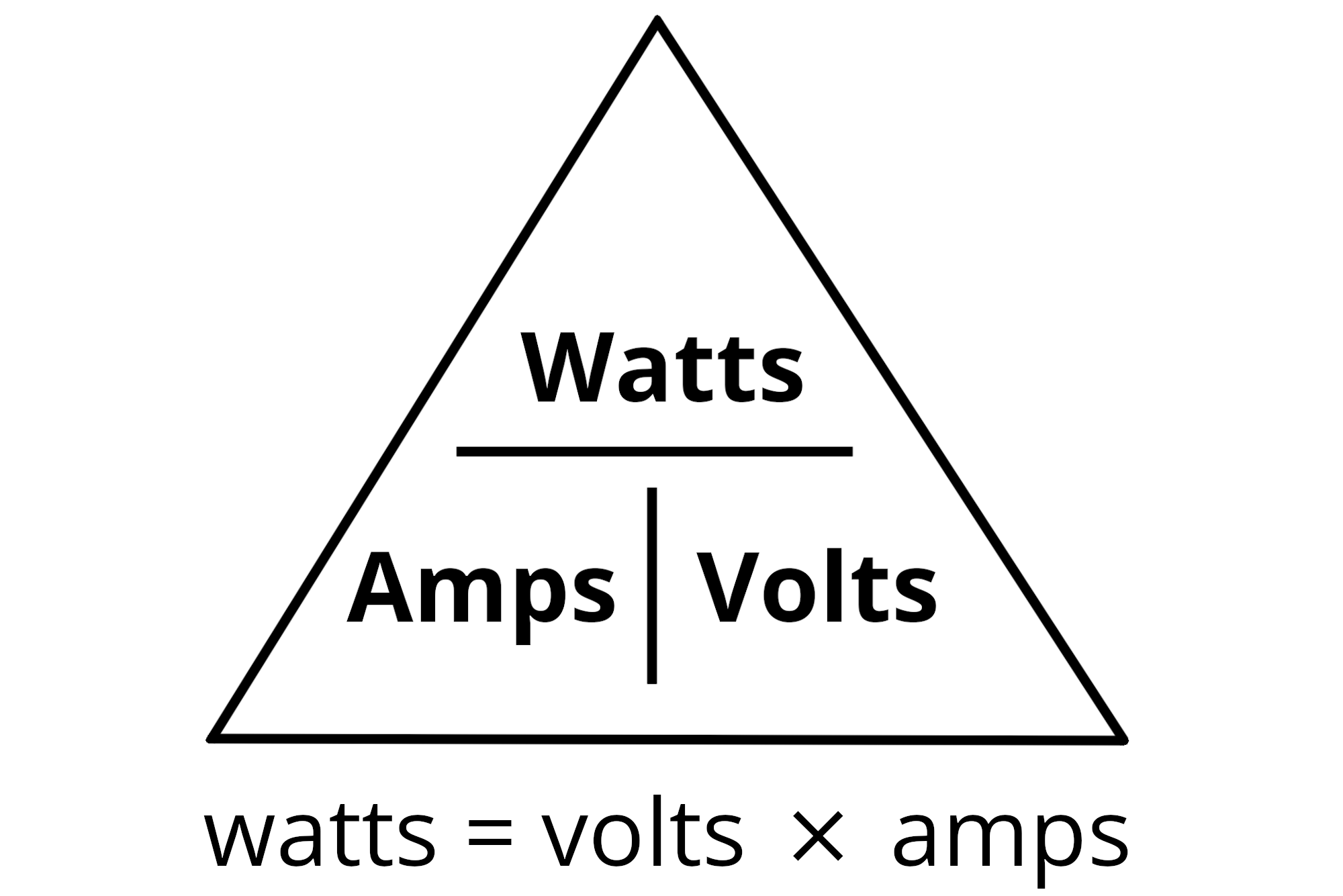
Think about it: a strong push (high volts) combined with a lot of flow (high amps) equals a whole lot of power (watts). This simple equation, often called Ohm's Law (or a derivative of it for power), is why you can't just convert volts to watts directly.
Why Does This Matter (Besides Sounding Smart at Parties)?
Understanding this isn't just for electrical engineers or people who love quirky science facts (though it definitely helps with both!). It’s super practical!
Ever notice how a European hairdryer (designed for 230V) will blow a fuse or underperform on an American 120V outlet? It’s because for the same wattage (same "oomph"), if the voltage (push) is lower, the current (flow) has to be higher. More current can mean more heat, and potentially, popped circuits! Or, conversely, if you plug a 120V device into a 230V outlet, that higher "push" can force too much current through, potentially frying your gadget. Ouch!
It's also why car batteries (typically 12V) need to push a ton of amps to crank an engine, whereas your home toaster uses higher voltage but fewer amps for similar heating power. Different jobs, different combinations of push and flow!
Embrace the Quirky Complexity!
So, the next time someone asks you, "How many watts are in a volt?", you can give them a knowing smile. You'll explain, with a twinkle in your eye, that it's a wonderfully intriguing question that leads to an even more fascinating answer. It's not about a simple conversion, but about understanding the dynamic dance between electrical pressure, flow, and power.
It's a reminder that sometimes, the most interesting answers aren't numbers, but whole new ways of seeing the world. And that, my friend, is truly electric!