
How Many Watts Are In 5 Volts

Hey there, tech adventurer! So, you've stumbled upon one of those questions that makes you tilt your head like a confused puppy: "How many watts are in 5 volts?"
And guess what? That's a totally fair question! It sounds like something you should be able to figure out, right? Like, "How many apples are in 5 oranges?" (Okay, maybe not that silly, but you get the drift.)
But here's the thing, and I’m going to drop this little truth bomb on you right away: it’s a bit of a trick question, not because you’re asking it wrong, but because volts alone don't tell you watts! 🤯
Must Read
I know, mind blown! It's like asking "How fast is a car?" without knowing if it's even moving. You need more info, my friend.
The Dynamic Trio: Volts, Amps, and Watts
To understand this, let's introduce you to the fantastic three musketeers of electricity: Volts, Amps, and Watts. They're like a superhero team; you need all of them to get the full picture.
Meet the Players:
Volts (V): Think of volts as the pressure or "push" of electricity. Like water pressure in a pipe – a stronger push means higher voltage. So, 5 volts is a specific electrical pressure.

Amps (A): Amps are the "flow" or "current". In our water analogy, if voltage is pressure, amps are how much water flows. You could have high pressure but a tiny trickle (low amps), or lower pressure with a gushing torrent (high amps). This is the missing piece of your puzzle!
Watts (W): Watts are the grand total, the "power" being consumed or delivered. In our water analogy, watts would be how much work that flow and pressure can actually do – like turning a water wheel. It's the actual output or energy usage.
The Super Simple Formula!
Ready for the big reveal? To find out watts, you need volts and amps. It’s a super straightforward multiplication party:
Watts = Volts × Amps
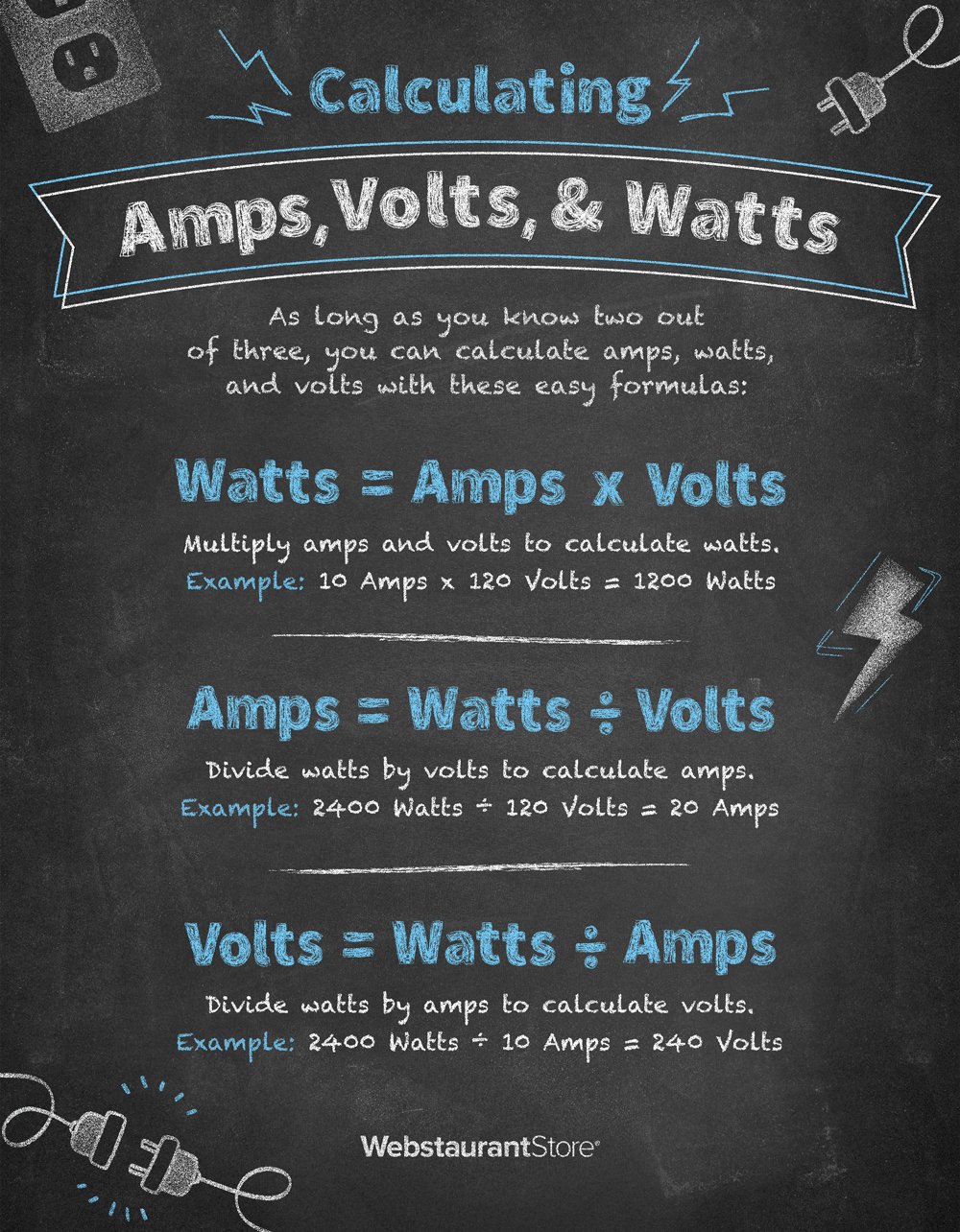
(Or, if you’re fancy, P = V × I, where P is power, V is voltage, and I is current. "I" for current because "C" was already taken by, well, "Coulomb" and other things. Don't ask, it's a long story!)
Let's Put Our Detective Hats On: The 5-Volt Mystery Solved!
So, you have 5 volts. Awesome! That's your electrical pressure. But to figure out the watts, we desperately need to know how many amps are flowing at that 5 volts.
Example Time!
Take your phone charger. It likely says "Output: 5V --- 2A". Ah-ha! There are your amps!
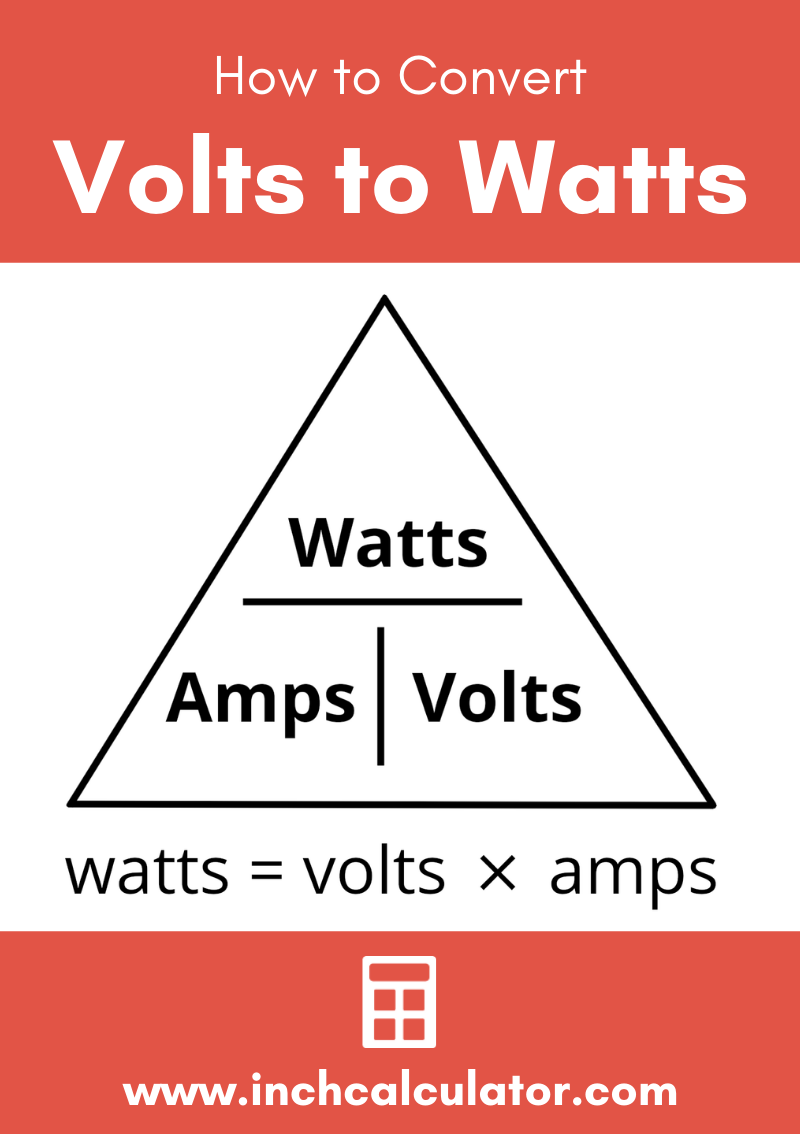
- Volts (V) = 5V
- Amps (A) = 2A
- Watts (W) = 5V × 2A = 10 Watts!
So, your charger delivers 10 watts to your phone. See? You totally got this!
What about a standard USB port on your computer? Those typically provide 5V, but often only around 0.5A (half an amp).
- Volts (V) = 5V
- Amps (A) = 0.5A
- Watts (W) = 5V × 0.5A = 2.5 Watts!
That's why charging your phone from a slow USB port takes ages – it's getting far less power!
So, How Many Watts Are In 5 Volts?
The answer, my friend, is "It depends on how many amps are flowing!"
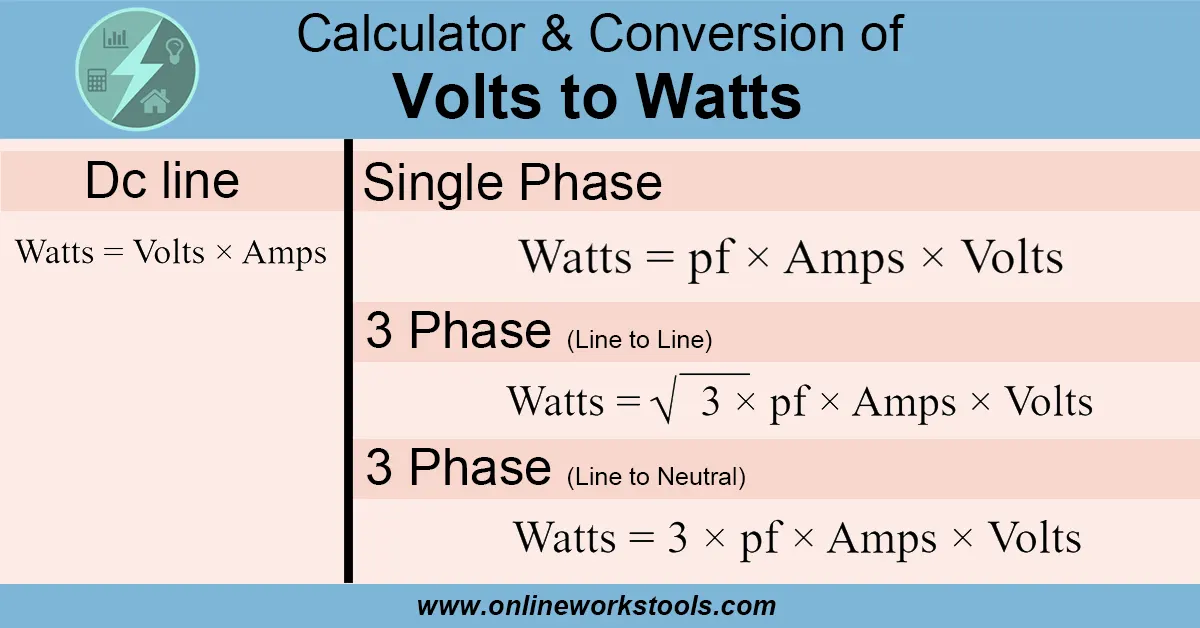
You can have 5 volts producing 1 watt (at 0.2A), or 50 watts (at 10A!). It's all about that current.
Why Does This Matter, Anyway?
Good question! Understanding this helps you:
- Pick the right charger: No more wondering why one charger is faster than another!
- Not overload things: You wouldn't want to plug a high-amp device into a low-amp USB port, right? (Usually, it just won't work, which is a good thing!)
- Feel smart: You can now explain this to friends at parties! (Warning: may cause loss of friends, but you'll be super intelligent!)
Wrapping Up With a Smile!
So, next time someone asks an incomplete question, you’ll be armed to say, "Hold on, what's the other crucial piece of information I need?" You've gone from puzzled to powerful, now speaking the secret language of electricity!
You're not just reading about watts; you're understanding the fundamental dance between voltage and current that powers our modern world. That's pretty cool. Keep being curious, keep asking questions, and keep shining bright!