
How Many Watts Are In 220 Volts
Ever found yourself staring blankly at a tech spec sheet, trying to figure out what all those electrical terms mean? Or maybe you’re planning a trip abroad and wonder if your trusty hairdryer will explode in a foreign outlet? If you’ve ever pondered, "How many watts are in 220 volts?" then you're in for a treat!
Here's the quick, fun answer: That question is a bit like asking, "How many miles are in an hour?"
See, volts and watts aren't interchangeable; they're two different measurements that work together to tell a complete story about electricity. Think of it like this: you can't have "miles in an hour" because miles measure distance, and hours measure time. But you can talk about "miles per hour," which tells you how fast you're going!
Must Read
It's the same with our electrical buddies. Volts, amps, and watts each describe a different aspect of electric power, and when you combine them, you get the full picture.
Let's Meet the Gang: Volts, Amps, and Watts!
Imagine electricity flowing through wires like water flowing through a garden hose. This analogy makes everything so much clearer!
Volts: The Water Pressure
Think of volts (like our 220V) as the pressure pushing the water. A higher voltage means more "push."
In many parts of the world, homes use 220-240 volts (V) for their wall outlets. This is like having a really strong water main. It provides a good, robust push for appliances that need a lot of grunt, like electric ovens, washing machines, or your big air conditioner. In North America, you'll commonly see 110-120V for standard outlets, which is like a slightly less intense water pressure, perfectly fine for your phone charger or a lamp. A higher voltage means that for the same amount of power, you need less "flow" (amps), which can be more efficient for transmitting electricity over long distances or powering heavy-duty stuff.
Amps: The Water Flow
Next up, we have amps (short for amperes). If volts are the pressure, then amps are the volume of water flowing through the hose. A wider hose or a more open tap lets more water flow, right? That's your amperage.
A small phone charger only needs a tiny trickle of water (low amps), while a power-hungry hair dryer needs a gushing torrent (higher amps). Your home's wiring system is rated for a certain number of amps – too much flow, and you risk tripping a circuit breaker (which is like an automatic valve shutting off the water to prevent a burst pipe!).

Watts: The Actual Work Done!
Finally, we get to watts! Watts are the grand finale; they represent the actual power being used or the "oomph" an appliance delivers. It's the total amount of work the electricity is doing. Think of it as the force of the water coming out of the hose, combined with how much water is actually coming out. Is it a gentle drizzle for watering delicate flowers, or a powerful jet capable of cleaning your patio?
And here's the cool part, the secret sauce, the big reveal:
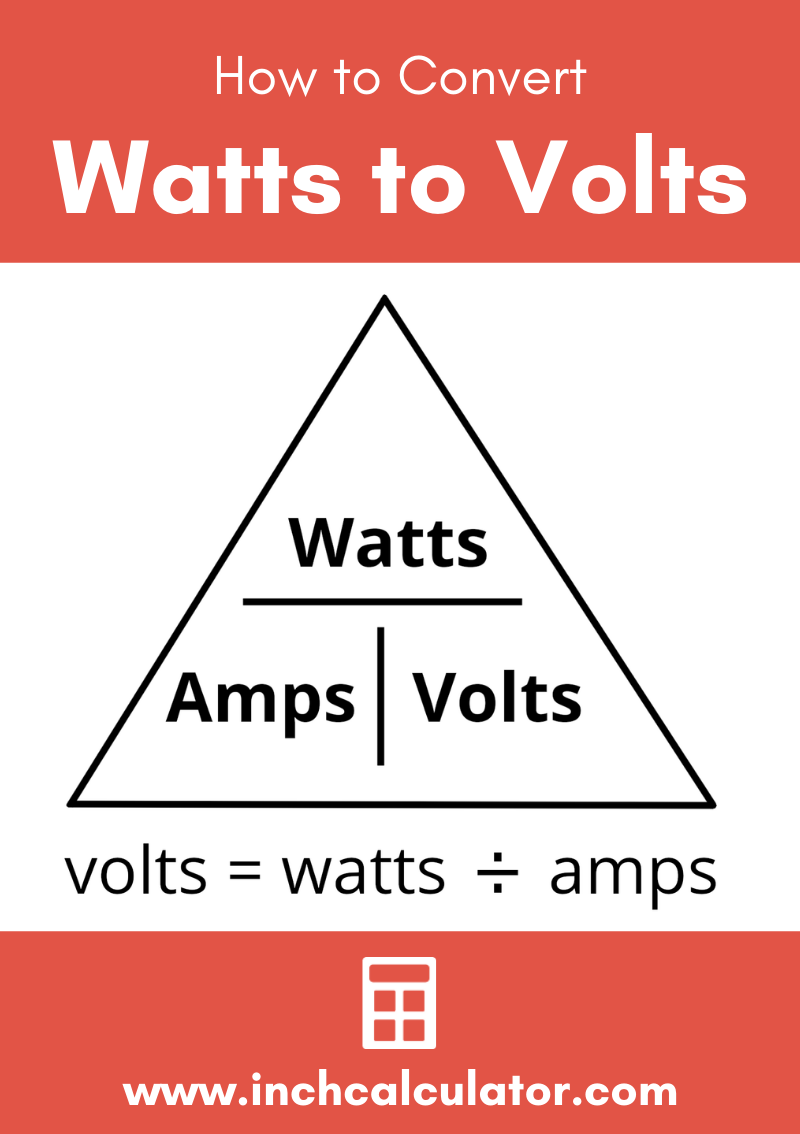
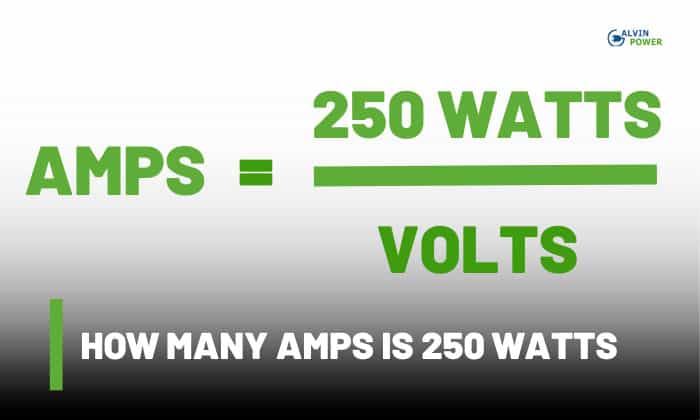
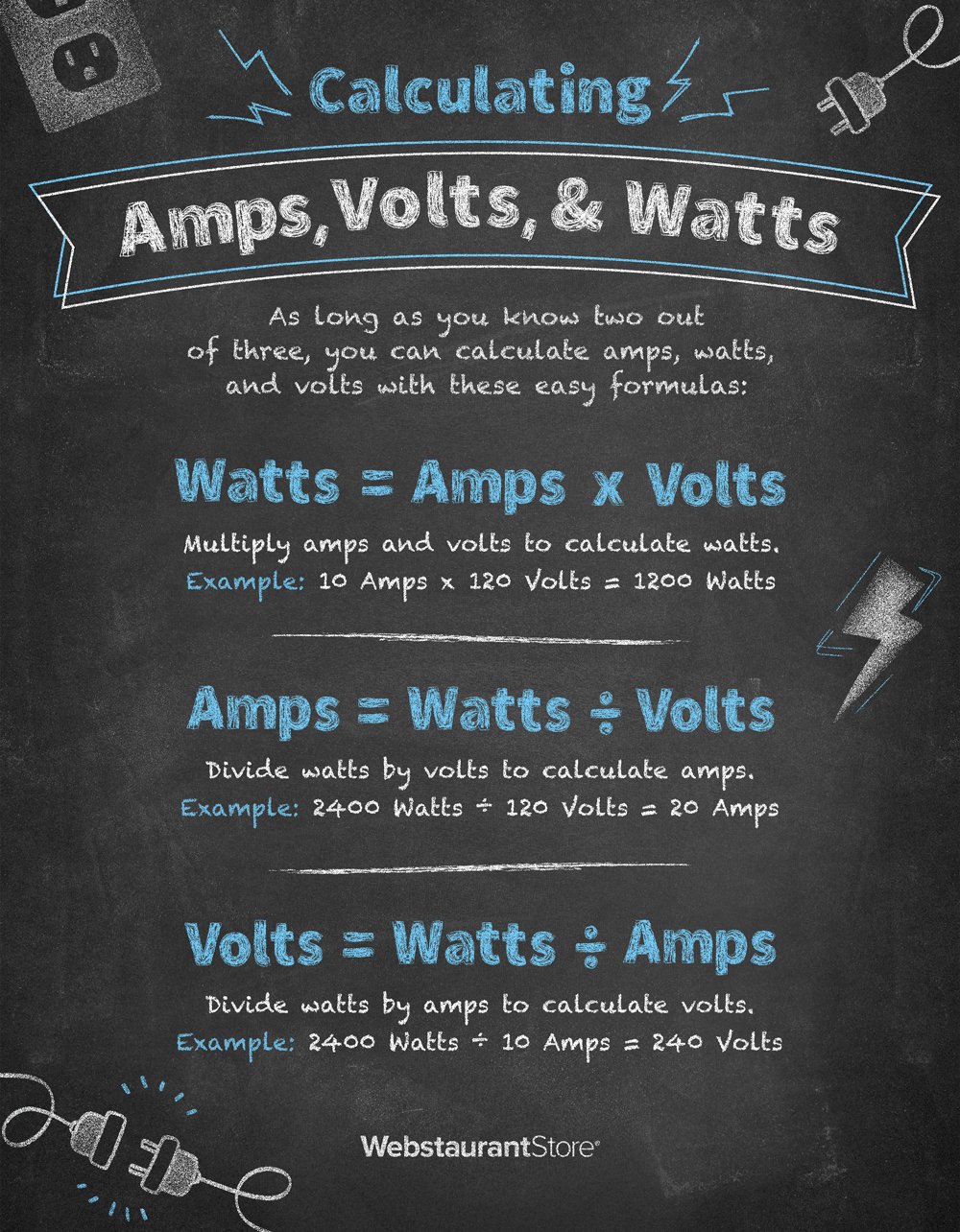
Volts × Amps = Watts!

So, you can't just ask "how many watts are in 220 volts" because the watts also depend on the amps. A 220V circuit with 5 amps flowing through it produces 1100 watts (220V * 5A = 1100W). But a 220V circuit with 10 amps produces 2200 watts (220V * 10A = 2200W). See? The watts change depending on how many amps are involved!
Why Should You Even Care About This Stuff? (Besides Sounding Smart at Parties)
Okay, so it's not just for impressing your friends with electrical trivia. Understanding these basics actually makes your life easier, safer, and can even save you money!
1. Don't Fry Your Gadgets (or Yourself!)
Imagine plugging a delicate little fairy light string designed for a small battery into a gigantic industrial power outlet. Poof! That's what happens when you mismatch. When traveling, knowing the voltage difference (like between 110V in the US and 220V in Europe) helps you know if you need a voltage converter or just a simple plug adapter for your electronics. Most modern phone chargers and laptop power bricks are "dual voltage" (meaning they can handle both 110V and 220V), but always check the tiny print! If it says "Input: 100-240V," you're good to go with just a plug adapter. If it says "Input: 110V only," then plugging it into 220V without a converter is asking for trouble.
2. Stop Tripping Breakers (The Party Poopers of Power)
Ever had the lights suddenly go out because you plugged in the toaster, the coffee maker, and the microwave all at once? That's your circuit breaker saying, "Whoa there, cowboy! Too many amps flowing through this wire!" Each circuit in your home can only handle so many amps before it trips the breaker to prevent overheating wires and potential fires. Understanding that a high-wattage appliance (like a hair dryer or space heater) draws a lot of amps helps you avoid overloading circuits. It's like trying to get too many people to drink from one small water fountain – eventually, someone's going to get splashed!
3. Your Wallet Will Thank You
Your electricity bill is primarily based on how many kilowatt-hours (kWh) you use. A kilowatt is simply 1,000 watts. So, the more watts your appliances gobble up, and the longer they run, the more you pay. Understanding this can help you make smarter choices. Maybe that super powerful old fridge uses way more watts than a newer, energy-efficient model. Knowing what "watts" mean helps you read those energy labels and make informed decisions that save you money in the long run.
So, while you can't count watts in 220 volts, you now know that 220 volts provides the muscle (pressure) for electricity, and when you combine it with the "flow" (amps), you get the actual "oomph" (watts) that powers your world. Keep your volts, amps, and watts in mind, and you'll be an electricity-savvy superstar!