
How Many Watts A Tv Consumes
There it is. The glowing rectangle in your living room. The portal to endless stories, nail-biting dramas, and documentaries about cute animals.
You settle onto the couch. Remote in hand. Snacks strategically placed. Pure bliss awaits.
But then, a tiny, nagging thought might just whisper in the back of your mind: How many watts does this glorious machine consume?
Must Read
The Great Watt Debate (That Nobody Has)
Let's be honest. Most of us don't really think about TV wattage. We worry about the Wi-Fi signal, the remote batteries, or if there's enough popcorn.
Our "unpopular opinion" right off the bat? You're probably worrying about it far too much. And guess what? That's okay!
The sheer joy of binge-watching your favorite series almost certainly outweighs the minuscule power concern.
It's a question for the ultra-frugal, the tech-obsessed, or perhaps someone writing an article exactly like this one.
But for the rest of us, the TV is a source of comfort, a digital hearth, and frankly, a non-negotiable part of modern life.
Unmasking the Wattage Monster (It's Kinda Cute)
So, let's talk numbers, but in a way that won't make your eyes glaze over. We promise no complex equations.
What exactly affects how much juice your TV sips? The biggest factors are pretty straightforward.
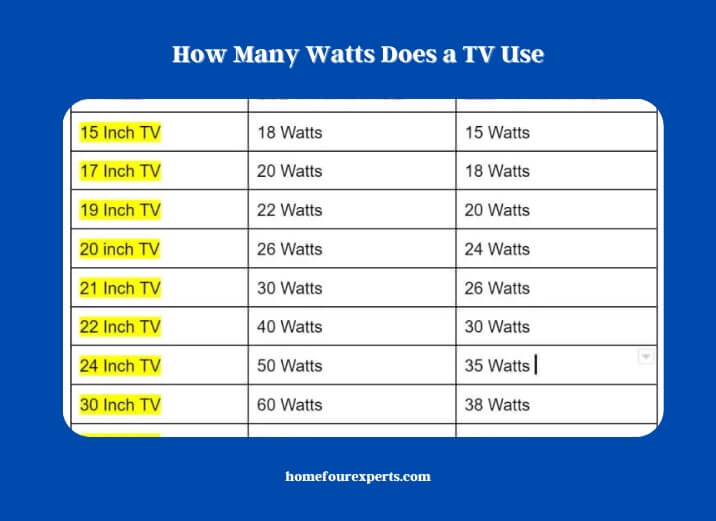
First up: screen size. A bigger screen means more glowing pixels to feed, which naturally demands a bit more power. It's just simple physics.
Think of it like lighting up a tiny billboard versus a regular poster. The billboard needs more energy, duh!
Next, the type of screen technology plays a role. Newer tech like LED, OLED, or QLED is pretty neat.
These advanced displays offer incredible picture quality, often with surprisingly good energy efficiency.
They're generally much more power-savvy than the old, chunky TVs of yesteryear.
Your brightness setting also makes a difference. If you crank it up for daytime viewing, your TV works a bit harder.
Dim it down at night, and your TV takes a more relaxed, energy-saving sip of power.
"I absolutely must see every single blade of grass in this nature documentary, even if it adds a penny to my bill!" - said almost no one ever.
Even the content you're watching can subtly influence power. A dark, moody movie uses slightly less power than a brightly lit cartoon.
It's like a tiny, ever-changing light show demanding its energy, moment by moment.
But these are all minor tweaks to what is generally a very modest power footprint.
How Many Watts Are We Talking? (Spoiler: Not Your Fridge)
Okay, time for some ballpark figures. For an average 55-inch LED TV, while it's happily humming along displaying your show?
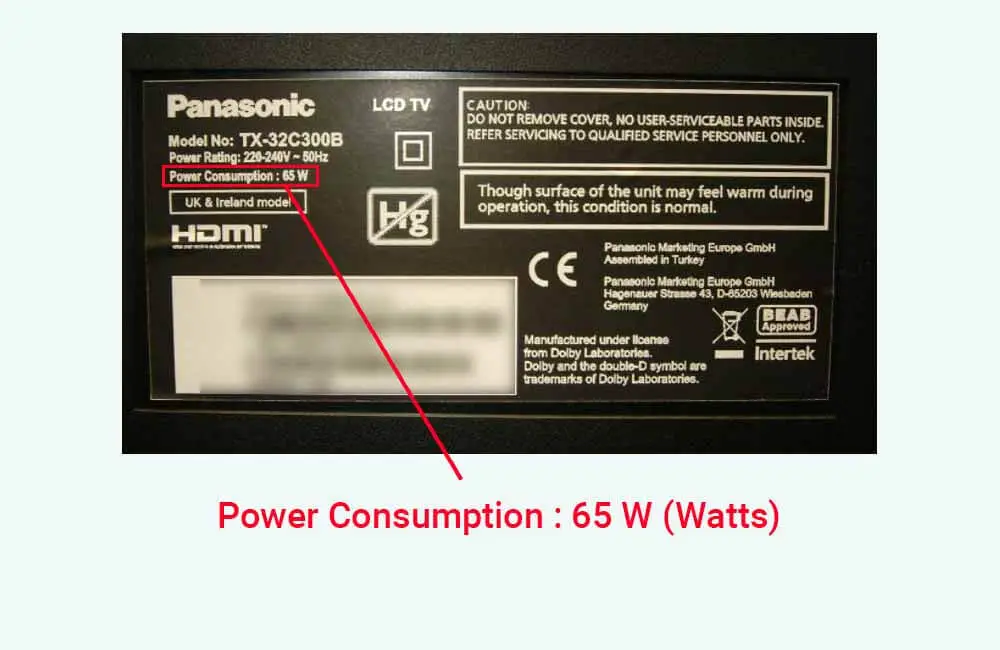
You're often looking at a modest range, typically anywhere from 50 to 150 watts.
To put that into perspective, remember those old incandescent light bulbs? A common one used to be 60 watts!
So, your big, beautiful TV is often drawing less power than a single old light bulb.
Your refrigerator, that silent guardian of snacks and leftovers, uses significantly more power over the course of a day.
That powerful gaming PC you might have? It's a real energy hog compared to a TV, often drawing hundreds of watts.
Even your hair dryer can suck down well over 1000 watts for a few minutes of styling madness.
So, your TV is more like a gentle energy sipper, carefully enjoying its juice, rather than a gulper.

It’s certainly not going to make your electricity meter spin like a frenzied top.
You probably spend more time worrying about the remote's battery life than the TV's power draw.
The Real Cost: Penny Pinching or Pure Pleasure?
Let's convert those slightly mysterious watts into actual, tangible money. This is where our "unpopular opinion" really shines.
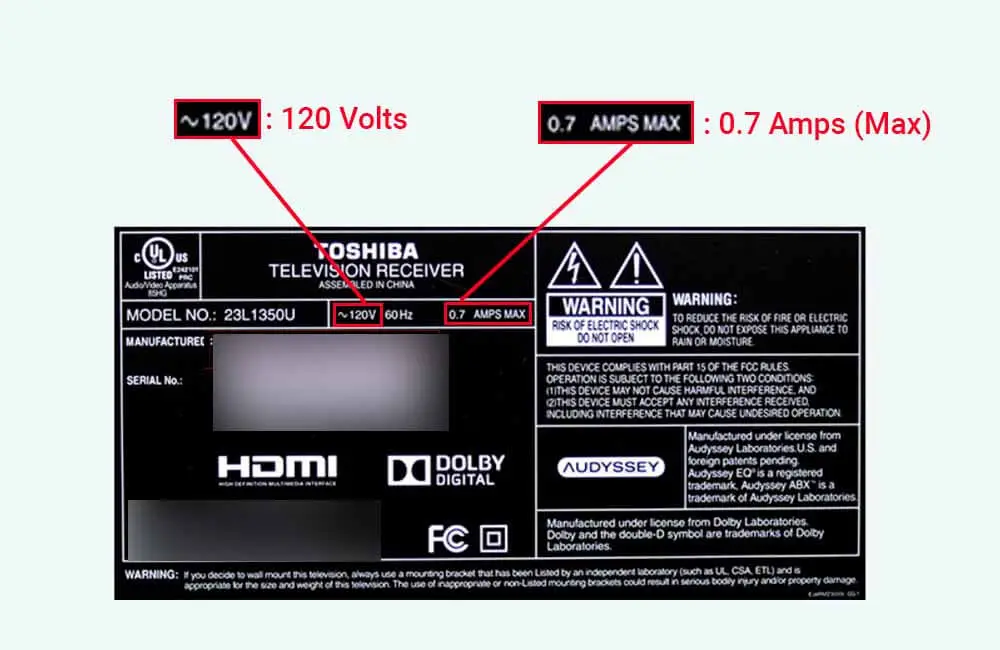
Imagine your TV uses a decent 100 watts and you watch it for, say, 5 hours a day. That's a lot of viewing, right?
That adds up to 0.5 kilowatt-hours (kWh) per day. Still sounds a bit abstract, doesn't it?
At a common electricity rate (which varies, of course), that equates to just a few cents a day. We are talking about pocket change.
Over a whole month, depending on your habits and local rates, you might be looking at a dollar or two. Maybe three if you have a massive screen and watch 24/7.
Now, think about how much you willingly pay for your streaming subscriptions. Netflix, Hulu, Disney+, Max... they all add up.
The actual power cost to watch all that content is often a tiny, almost negligible fraction of your monthly subscription fees.
Are you really going to cancel your favorite streaming service to save fifty cents on your electricity bill?
Suddenly, our "unpopular opinion" – that it doesn't really matter – feels pretty popular, doesn't it?
The sheer joy and relaxation of an epic movie marathon or a gripping TV series far, far outweighs that small operational cost.
It's an investment in your mental well-being, your relaxation, and your right to be entertained, pure and simple.
The Standby Vampire (Mostly Harmless)
Ah, the dreaded standby power! The silent killer of your wallet! The phantom drain!
Or not. In reality, modern TVs in standby mode often consume just a few watts, sometimes even less than one watt.
That little red light, patiently waiting for your command, isn't plotting to bankrupt you.
It simply keeps the TV ready to spring into action instantly when you press the power button.
Unplugging your TV every single night might save you pennies over a year, but it adds a minor inconvenience to your daily routine.
Unless you're going on a multi-month vacation, it's usually not worth the fuss, truly.
Your TV is not planning to drain your savings account in its sleep; it's more like a tiny, softly snoring kitten than a bloodsucking beast.
Focus on enjoying your shows, not micro-managing every single phantom watt.
Old vs. New: A Tale of Two TVs
Remember those old, bulky, deep cathode ray tube (CRT) TVs? The ones that needed a forklift to move?
Those behemoths used a good chunk more power to generate their fuzzy images, and they certainly weighed a ton!
Modern flat-screen LED and OLED TVs are power-sipping marvels by comparison.
They've come a long, long way in energy efficiency, all while delivering vastly superior and much prettier pictures.
So, if you've upgraded in the last decade, you're likely already benefiting from significant technological advancements.
No need to feel guilty about ditching that ancient set for a sleek, new, wall-mountable model.
It’s probably much greener and more efficient than your old, dust-collecting dinosaur, despite its often larger size.
Technology actually helps us be lazier and more efficient at the same time! It’s a win-win.
Embrace the Glow!
So, to answer that burning question: how many watts does a TV consume?
Enough to power your entertainment, to light up your evenings, but probably far, far less than you ever thought.
And certainly not enough to lose a single minute of sleep over. Seriously.
Our "unpopular opinion" stands firm and proud: enjoy your TV, guilt-free!
Don't let a few watts spoil the magic of your favorite show or movie.
Go forth, grab a fresh snack, fluff your cushions, and confidently press that play button.
The screen is calling, and your entertainment budget (and your electricity bill) has already given its blessing.
Life is truly too short to count every single watt. Just enjoy the beautiful images and immersive sound.
Happy watching!