
How Many Watt Inverter Do I Need
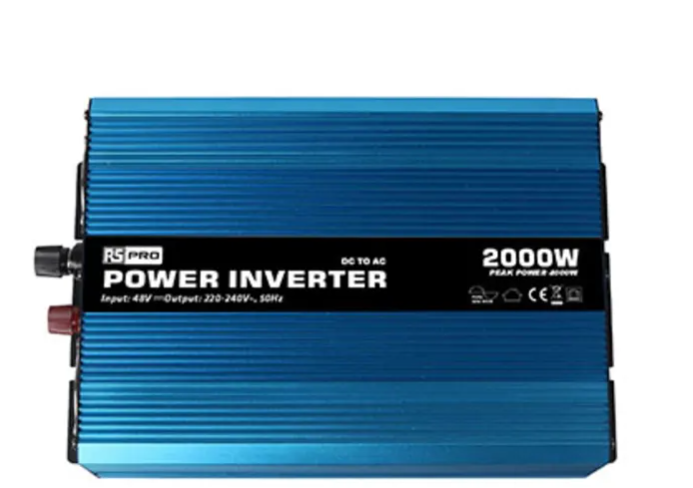
Alright, let's talk power! Not the kind that comes with a fancy suit and a corner office, but the real power – the kind that keeps your coffee maker brewing at the campsite, your laptop humming during a backyard movie night, or your phone charged when the grid decides to take a nap. We're talking about the magic of an inverter, and the age-old question that sparks a thousand adventures: How many watt inverter do I need?
Now, before you picture a complicated math problem worthy of a Nobel Prize, let me assure you: this isn't rocket science. It's actually more like a fun little puzzle that, once solved, unlocks a whole new level of freedom and convenience. Think of it as your passport to powering almost anything, anywhere! Isn't that just a little bit exciting?
Your Adventure, Unplugged: Why Watts Matter
Imagine this: You're at a stunning remote beach, laptop open, deadlines looming, but the salty breeze is inspiring! Or maybe you're tailgating, and you want to whip up some delicious game-day dips with a blender. Perhaps a storm has rolled through, and you just want to keep the lights on and your phone charged without fuss. In all these scenarios, a trusty inverter is your best friend. But choosing the right one? That's where knowing your watts comes in.
Must Read
Think of watts as the "thirst" your appliances have for electricity. A phone charger sips gently, while a microwave guzzles like it hasn't seen water in days! Your inverter's job is to quench that thirst, converting your battery's DC (direct current) power into the AC (alternating current) power that your home gadgets understand. Pretty neat, right?
The Super Simple Wattage Workout!
So, how do you figure out the magic number? It's easier than finding matching socks on laundry day!
Step 1: Make a List of Your Must-Haves.
.jpg)
Jot down all the devices you want to power simultaneously. Are we talking just a laptop and a phone? Or are you dreaming bigger – a mini-fridge, a coffee maker, and a projector for an outdoor movie marathon?
Step 2: Find Their Thirst (Wattage!).
Most appliances have their wattage listed somewhere on a label or in the user manual. Look for "W" or "watts." Sometimes you might see "Volts (V)" and "Amps (A)"; if so, just multiply them (V x A = W). For example, if a device says 120V and 1A, it's 120 watts. Easy peasy!
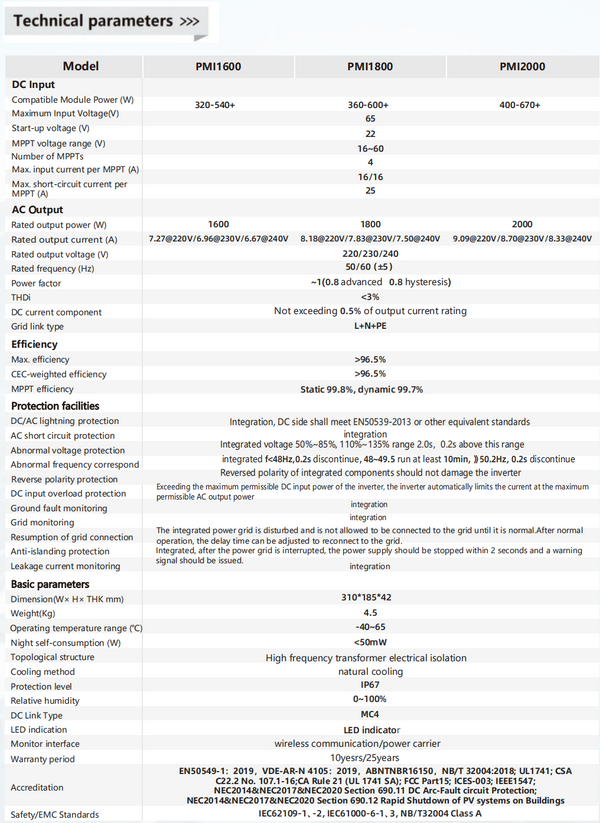
Heads up! Starting vs. Running Watts: Some devices, especially those with motors (like fridges, blenders, power tools), have a higher "surge" or "starting" wattage for a few seconds when they first kick on. This can be 2-3 times their "running" wattage. Don't sweat it too much for most small electronics, but it's good to keep in mind for those bigger boys!
Step 3: Add 'Em Up & Add a Safety Cushion!
Once you have the running wattage for each item, add them all together. This gives you your total running wattage. Now, here's the clever bit: always add a little extra! We recommend adding a 20-25% safety margin to your total. This buffers against those tricky starting watts and ensures your inverter isn't constantly working at its absolute limit, extending its lifespan. It's like leaving room for dessert, just in case!
So, if your total running wattage is 800 watts, adding 25% gives you 1000 watts. Voila! You'd likely be looking for at least a 1000-watt inverter (or something a little higher to handle potential surges if you have motor-driven appliances).

Real-World Scenarios: From Sips to Gulp!
Let's put this into perspective:
-
The "Laptop & Chill" Crew (150-300 Watts): If you just need to charge your phone, run a laptop, or power a small LED light, a compact inverter in this range is your trusty sidekick. Perfect for road trips or quick power top-ups. Think tiny inverter, big dreams of working from anywhere!
-
The "Weekend Warrior" Team (500-1000 Watts): Now we're talking! Add a small TV, a blender for morning smoothies, maybe a fan to keep cool. This range opens up more possibilities for camping, backyard parties, or handling minor power outages. You're becoming a power pro!
How Many Batteries Do You Need for a 3000 Watt Inverter? - BettSun -
The "Home Away From Home" Squad (1500-3000+ Watts): Want to power a microwave, a small refrigerator, power tools, or even some essential home appliances during an outage? This is where the heavy hitters come in. These inverters offer serious muscle, giving you a taste of true energy independence. Hello, off-grid dreams!
One quick, important note: An inverter needs a power source – typically a 12V battery (like the one in your car, or a dedicated deep-cycle battery). The bigger your inverter and the more devices you run, the faster it will drain your battery. So, remember to factor in your battery capacity for extended power needs!
Your Power, Your Rules!
Learning about inverter wattage isn't just about numbers; it's about empowerment. It's about realizing that you don't have to be tethered to a wall outlet to live your life, pursue your hobbies, or stay connected. It's about bringing comfort and convenience wherever your adventures take you.
So, take a deep breath, grab your device manuals, and start calculating. You'll be amazed at how quickly you become fluent in the language of watts. The world is full of incredible places and moments just waiting for you to power up and enjoy them. Go forth, curious adventurer, and power your passions! You've got this!