
How Many Watt Generator To Run Refrigerator

Okay, picture this: You're chilling in your backyard, maybe firing up the grill for a spontaneous BBQ, or perhaps you're glamping under the stars. Everything's perfect, except… how are you going to keep the drinks cold? The answer, my friend, is a generator. But before you rush out and buy the biggest, loudest beast you can find, let's talk about sizing things up. Specifically, how many watts you really need to keep your refrigerator humming happily.
Watt's the Deal with Refrigerators?
First things first, refrigerators aren't exactly power-hungry monsters. They're more like energy-sipping ninjas, especially modern ones. But here's the catch: they have a startup surge. This is the moment when the compressor kicks in, demanding a temporary power boost to get the cooling show on the road. Think of it like your car engine needing extra juice to start compared to when it's cruising down the highway.
This starting wattage can be significantly higher than the running wattage, which is the power continuously used once the refrigerator is operating smoothly. So, you need a generator that can handle both.
Must Read
Decoding the Wattage: A Refrigerator Rundown
Generally, a standard-sized refrigerator needs around 150-200 watts to run continuously. Not too shabby, right? However, the startup surge can be anywhere from 600 to 1200 watts, depending on the model and age of your fridge. Older fridges, bless their clunky hearts, tend to require a larger surge.
Tip #1: Check the Fridge's Specs. Look for a sticker inside your refrigerator or in the owner's manual. It will list the running wattage and, sometimes, the starting wattage (though this is less common). If you only find the amperage (amps), you can calculate wattage using this formula: Watts = Volts x Amps. (In the US, standard voltage is 120V).
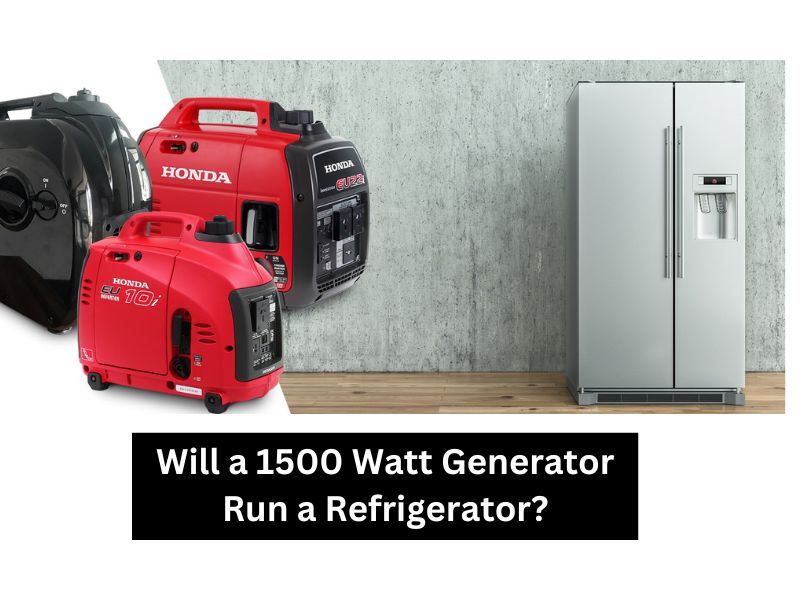
Tip #2: Err on the Side of Caution. When in doubt, round up. It's always better to have a generator that can handle a bit more than you think you need. This prevents overloading and potential damage to your generator or your refrigerator. Think of it like ordering extra guac – you'd rather have too much than not enough, right?
Beyond the Fridge: Powering Other Essentials
Now, let's be honest. If you're using a generator, you probably want to power more than just your refrigerator. Maybe you want to plug in some lights, a phone charger, or even a small TV to catch the game. Factor these additional wattage needs into your generator calculations.
Pro-tip: Make a list! Tally up the running wattage of everything you plan to power simultaneously. Add the largest startup wattage (likely your refrigerator) to that total. This will give you a good estimate of the minimum generator wattage you need.

Example: Let's say your refrigerator needs 200 running watts and 800 starting watts. You also want to power a 60-watt lightbulb and a 10-watt phone charger. That's 200 + 60 + 10 = 270 running watts. Add the 800-watt surge from the fridge, and you're looking at a minimum of 1070 watts. A 1200-watt generator should do the trick, but a 2000-watt generator gives you some breathing room.
Generator Types: Finding Your Perfect Match
There are several types of generators available, each with its pros and cons:
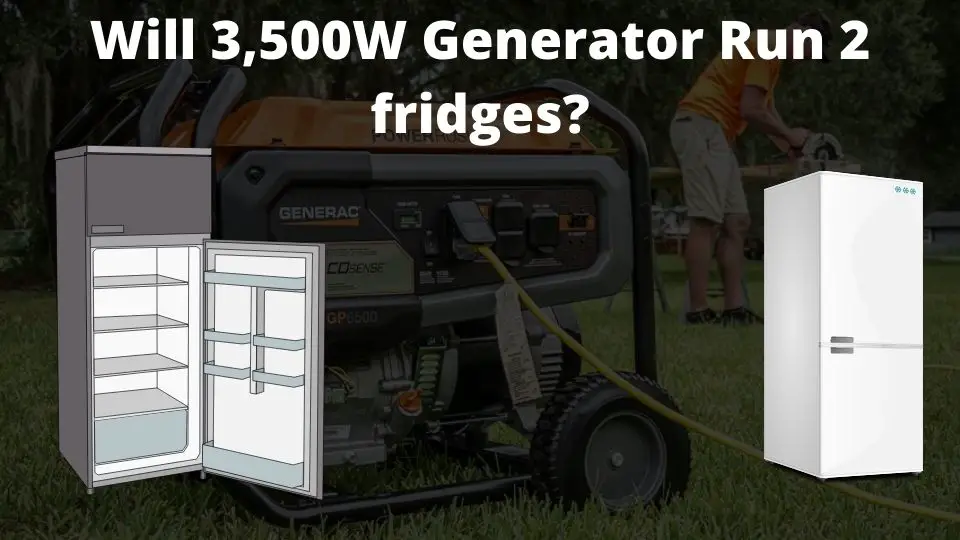
Don't Forget About Safety! Always operate your generator in a well-ventilated area to prevent carbon monoxide poisoning. Never run a generator indoors or in enclosed spaces like garages. And always use heavy-duty extension cords that are rated for outdoor use.
Cultural Tidbit: Did you know that the first portable generator was invented in the early 20th century for use in automobiles? Imagine trying to parallel park one of those bad boys!
Powering Your Peace of Mind
Ultimately, choosing the right size generator for your refrigerator is about more than just keeping your food cold. It's about ensuring your comfort, convenience, and peace of mind, whether you're enjoying a backyard BBQ, weathering a power outage, or embracing the great outdoors. By taking a little time to understand your power needs and explore your options, you can find the perfect generator to keep things running smoothly, no matter what life throws your way. It's all about being prepared to keep the good times rolling, even when the lights go out.
