
How Many Volts Is A Fully Charged Car Battery
Hey there, battery buffs! Ever wondered about the zap hiding inside your car's juice box? We're diving deep (well, maybe ankle-deep) into the fascinating world of car battery voltage. Buckle up!
So, What's the Magic Number?
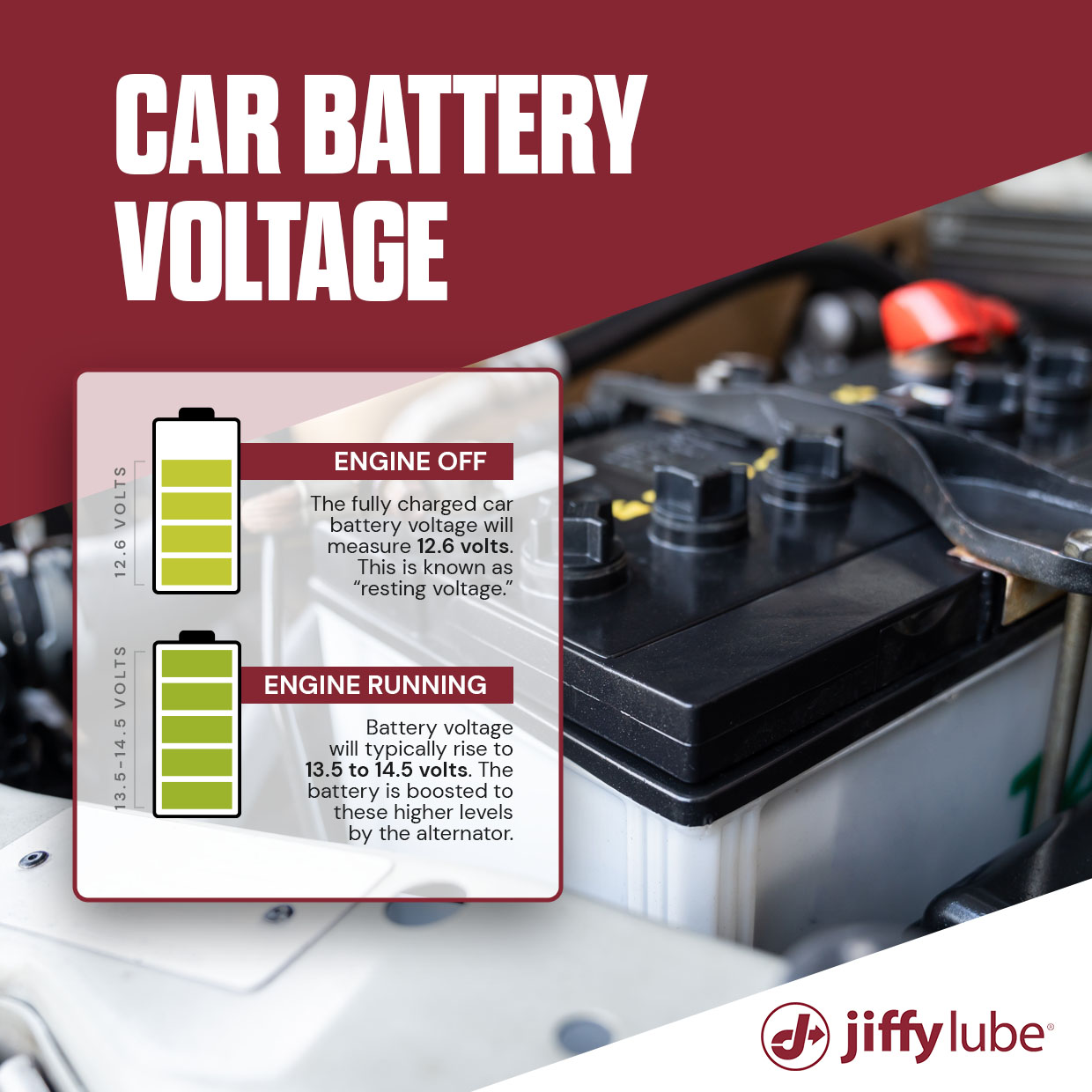
Okay, the big question: How many volts are lurking in a fully charged car battery? The answer is generally around 12.6 volts. Boom! There's your number. Write it down. Tell your friends. Impress your cat.
But wait! It's not quite that simple. Like a good rom-com, there's always a little more to the story.
Must Read
Why 12.6? What's the Deal?
Think of your car battery as a bunch of tiny battery cells hanging out together. A typical car battery has six cells. Each cell cranks out roughly 2.1 volts. Multiply that by six, and BAM! 12.6 volts! It's like a volt-powered Voltron.
Now, you might see batteries labeled as "12-volt batteries." That's just a common, rounded-off term. They're aiming for that 12.6 sweet spot when fully charged.
The Voltage Vibe Check: Is Your Battery Happy?
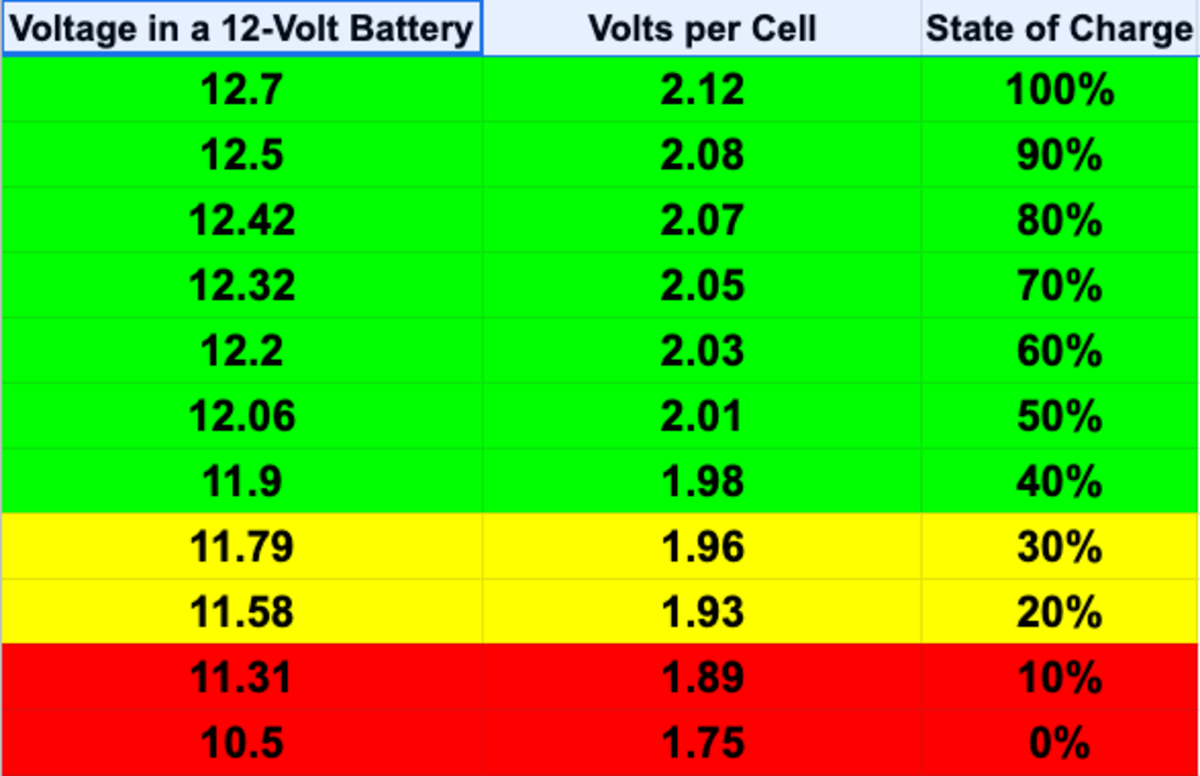
Knowing the "full" voltage is only half the battle. You also want to know if your battery is feeling its oats. Here's a quick voltage vibe check:
- 12.6+ Volts: Woohoo! Party time! Your battery is healthy and happy. Keep on truckin'.
- 12.4-12.5 Volts: Still pretty good. Like a solid "B+" student. But maybe keep an eye on things.
- 12.3 Volts or Lower: Uh oh. Houston, we have a problem! Your battery is getting weak. It's time to investigate or consider a replacement. Think of it like a power nap that turned into a permanent slumber.
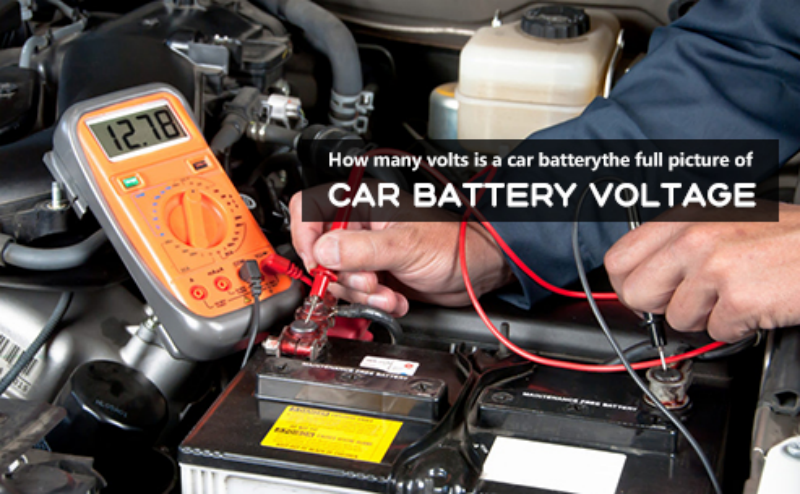
You can use a simple voltmeter to check your battery's voltage. They're cheap and easy to use. It's like giving your car battery a quick physical.
Charging Ahead: The Voltage Dance
When your car's running, the alternator (the battery's personal charging station) kicks in. It usually pumps out around 13.7 to 14.7 volts. This higher voltage keeps the battery charged and powers all your car's electrical goodies, like the radio, the AC, and your funky dashboard lights.
Think of it as the alternator topping off your battery's coffee mug while you're driving. Keeps you (and your car) energized!
Quirky Battery Facts (Because Why Not?)
- Did you know that cold weather can significantly impact battery performance? Batteries hate being cold! They're basically tiny, voltage-powered snowbirds.
- Leaving your headlights on overnight is a surefire way to drain your battery. It's like leaving the refrigerator door open all night – wasteful and annoying.
- A "dead" battery isn't always truly dead. Sometimes, it just needs a good jumpstart to wake up from its voltage coma.
Beyond the Volts: Battery Health Matters
Voltage is important, but it's not the whole story. A healthy battery also needs to have good amperage. Amperage is like the battery's muscle power. It's what gives it the oomph to crank the engine and get you going.

Think of voltage as the height of a waterfall, and amperage as the amount of water flowing over it. You need both for a powerful splash!
So, Why Bother Knowing All This?
Why should you care about car battery voltage? Well, for starters, it can save you from being stranded on the side of the road. Nobody wants that! Knowing the voltage can help you spot potential problems early and prevent a dead battery disaster.

Plus, it's just cool to know how things work! Understanding your car's battery is like understanding a little piece of automotive magic. It's empowering! You can impress your friends, your family, and even that mechanic who always seems to be talking in a language you don't understand.
The Final Spark
So, there you have it! A (relatively) painless journey into the world of car battery voltage. Remember 12.6 volts, keep an eye on the numbers, and don't leave your headlights on. Happy driving!
Now go forth and confidently check your car battery. You’re basically a voltage whisperer now.