
How Many Volts In A House Outlet
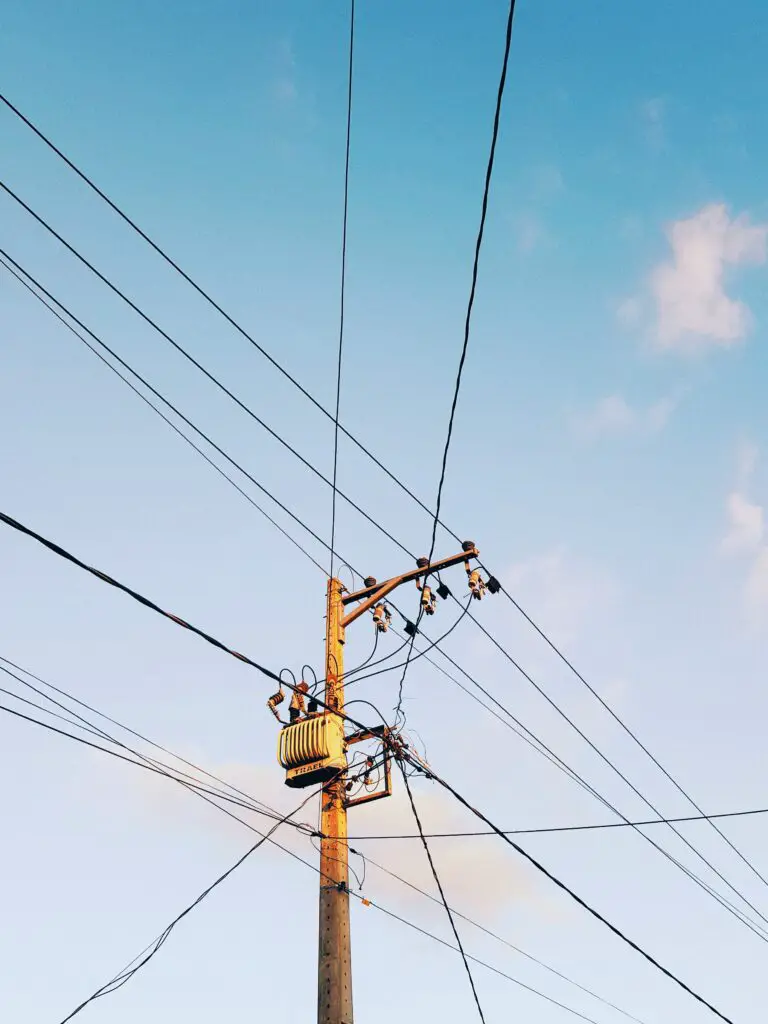
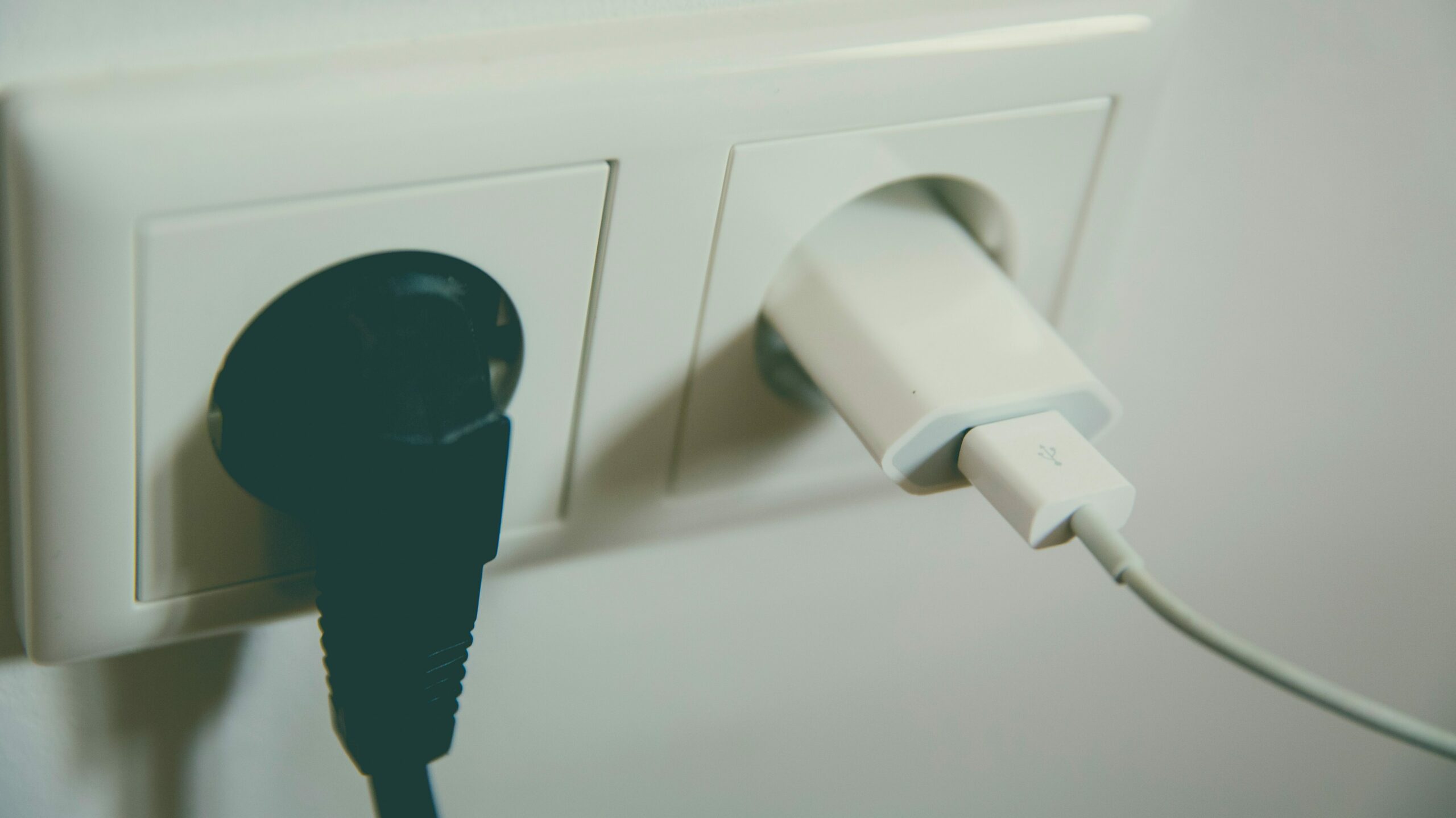
Ever peered into that mysterious little face on your wall? The one with the two (or sometimes three) slots, silently waiting to do your bidding? It's everywhere, yet how many of us actually stop to think about the invisible magic it holds? Let’s pull back the curtain on that humble household hero and ask the burning question: How many volts are lurking in there?
The Big Reveal (for most of us!)
Alright, drumroll please! In most North American homes – think the U.S. and Canada – you're typically looking at… 120 volts. Yep, one hundred and twenty. It's enough juice to power your morning coffee maker, charge your phone, and keep your trusty laptop humming along. This is what we call "alternating current" or AC, which basically means the electricity is constantly flipping directions super fast. Don't worry, you don't feel it!
A Quick Trip Around the Globe
But hold onto your travel adapters! If you jet across the pond to places like Europe, the UK, or Australia, you'll find a whole different ballgame. Their standard household outlets often dish out around 230 or 240 volts. Whoa! That's almost double! This is why your hairdryer from home might sound like a struggling jet engine (or simply refuse to work) without a voltage converter abroad. Why the difference? It’s a fascinating tale of historical decisions and infrastructure choices that frankly, is a little too serious for our chat today! Just know that electricity around the world isn't a one-size-fits-all kind of deal.
Must Read
What IS a Volt Anyway?
So, what exactly is a "volt"? Sounds fancy, right? Well, think of it like this: if electricity were water flowing through a pipe, then voltage would be the water pressure. The higher the voltage, the more "push" or "oomph" the electricity has to get where it's going and do its job. It's the force that drives the electrons! Pretty neat for an invisible force, huh?
The "Ouch" Factor (and why we respect it)
Now, before anyone gets ideas about conducting a "taste test" with a fork (please, for the love of all that is fuzzy and warm, don't!), let's be clear: 120 volts is definitely enough to give you a very, very unpleasant jolt. It’s not a tickle; it’s a shock that can be dangerous. So, we admire our outlets from a safe distance and always, always use them wisely. Safety first, friends!

Amps vs. Volts: A Mini-Mystery Solved
You might also hear folks talk about "amps" (short for amperes). If voltage is the pressure in our water pipe analogy, then amperage is the amount of water flowing. So, a device might need 120 volts of pressure to get the electricity moving, but then it draws a certain number of amps to actually do its work. Your tiny phone charger uses very few amps, while a powerful vacuum cleaner sucks up quite a few more. They work together, a dynamic duo of electrical power!
Hold Up! What About That Weird Outlet?
Okay, eagle-eyed observers might have noticed some other outlets in their homes. You know, the big, chunky ones that look different, usually for things like your clothes dryer, electric stove, or central air conditioning unit. These aren't just for show! Those bad boys are often tapping into 240 volts. Why the upgrade? Because these appliances are serious power guzzlers. They need that extra voltage oomph to heat water, spin heavy loads, or cool down your entire house efficiently. It's like comparing a garden hose to a firehose!

A Dash of Quirky History: The Current Wars!
The whole reason we even have AC (alternating current) in our homes is thanks to a legendary showdown often called "The War of the Currents." Back in the late 19th century, Thomas Edison was a big fan of direct current (DC), which flows in one direction. Nikola Tesla, on the other hand, championed AC, which proved to be far more efficient for transmitting electricity over long distances. Spoiler alert: Tesla (and AC) won! So, every time you plug something in, you're tapping into the legacy of that epic scientific battle. Pretty wild, right?
The Humble Outlet: An Unsung Hero
Think about it. This unassuming little port on your wall is the gateway to so much convenience and fun. It brings your alarm clock to life, lets you binge-watch your favorite shows, powers your gaming console, and toasts your bread just right. It's the silent workhorse that makes modern life tick! We just plug things in without a second thought, but behind those slots is a carefully engineered system designed to deliver power safely and efficiently.
Why Is This Even Fun to Talk About?
Because it's about the invisible forces that shape our everyday lives! It's about understanding a tiny piece of the complex world around us. It’s a chance to marvel at the ingenious ways humans have harnessed power, turning a mysterious natural phenomenon into something we can control with a simple flick of a switch (or a plug-in!). It makes you appreciate the incredible infrastructure that brings this energy right to your fingertips.
So, next time you go to plug in your phone, take a moment. Give a little nod to that humble wall outlet. It’s more than just a hole in the wall; it’s a carefully measured, historically rich, and surprisingly powerful little portal. And now you know a little more about the oomph behind its smile!
