
How Many Volts Are In An Amp
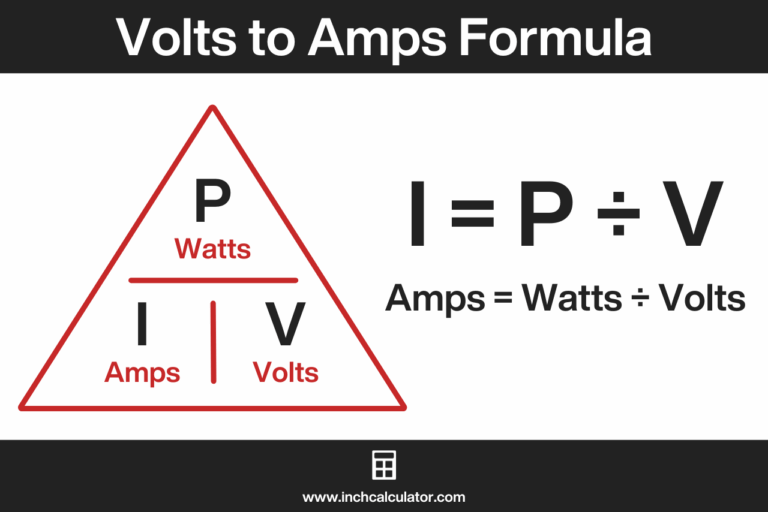
Alright, settle in, grab another sip of whatever wonderful beverage you’re holding, because we’re about to tackle one of the most delightfully confusing questions in the world of electricity: "How many volts are in an amp?"
And my immediate, slightly exasperated but totally friendly answer is: None!
Yes, you heard that right. Asking "how many volts are in an amp" is a bit like asking "how many miles are in an hour?" Or, if you prefer, "how many cupcakes are in a hug?" They’re just... different things. Like apples and oranges, but in this case, apples and the force you use to peel an orange. They operate in the same universe, sure, but they describe entirely different characteristics.
Must Read
Let's Get Pressured: Understanding Volts
Imagine, if you will, a gigantic, invisible electrical water pipe system running all around us. Now, picture the Volts. Volts are the pressure. They're the oomph, the push, the motivation that gets the electricity moving through the wires. Think of a mighty water pump pushing water through a hose.
A higher voltage means a stronger push. So, when you hear about 240-volt outlets for your oven versus a regular 120-volt outlet, it means that oven is getting twice the electrical motivation to heat up your pizza. It’s a bigger, more insistent electrical shove.

Ever get a static shock from rubbing your feet on the carpet? That can be thousands of volts! But thankfully, it's usually just a brief, annoying zap, not a dangerous one. Why? Because while the pressure is huge, the amount of electricity is tiny. Which brings us to...
Let's Get Flowing: Understanding Amps
If volts are the pressure in our electrical water pipe, then Amps (short for amperes) are the flow rate. They're the amount of electricity actually moving past a certain point in the wire at any given moment. It's the volume of water gushing through that hose per second. Think of how much water is actually coming out of the nozzle.
A household circuit breaker, for instance, might be rated for 15 amps. This means it can safely handle a flow of 15 amps before it decides, "Nope, too much party, everyone go home!" and trips, cutting off the power to prevent overheating or damage. If you plug in too many high-power devices, you're demanding too much flow, and the breaker says "no way, Jose!"
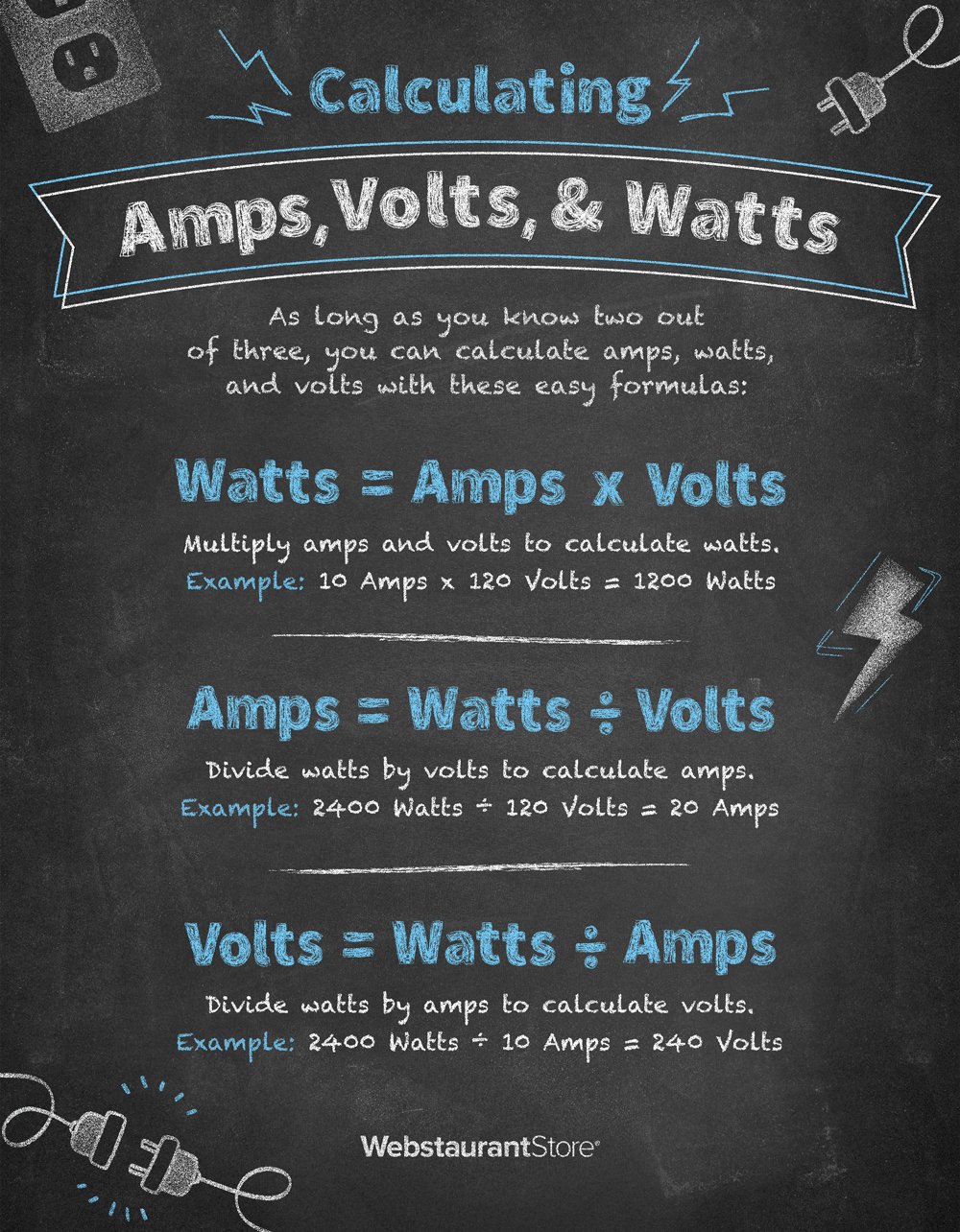
So, back to our static shock: high volts (big push!), but super low amps (tiny flow, like a single drop of water). Enough to make you jump, not enough to do serious harm. On the flip side, a car battery is only around 12 volts, but it can deliver hundreds of amps when starting your engine – a modest push, but a massive flood of electricity to get that motor turning!
The Third Musketeer: Ohms and Resistance
Now, our water pipe analogy isn't complete without introducing the third player in this electrical drama: Ohms. Ohms measure resistance. Imagine the diameter of our water pipe, or maybe a kink in the hose, or even gunk inside the pipe itself. Resistance is anything that tries to slow down the flow of electricity.
A thick, short wire has low resistance – it’s a wide-open superhighway for electrons. A thin, long wire has high resistance – it’s a tiny, winding dirt road. And some materials, like rubber, have super high resistance, acting like a solid brick wall to electricity. That's why rubber is used as an insulator!
Electricity is lazy. It always takes the path of least resistance. So, if you accidentally (and please, for the love of all that is holy, DON'T actually do this) stick a fork in a toaster, you’re creating a very low resistance path directly through you, which allows a massive current (amps) to flow from the high pressure (volts) of the outlet. Bad news. Very bad news.
They All Play Together!
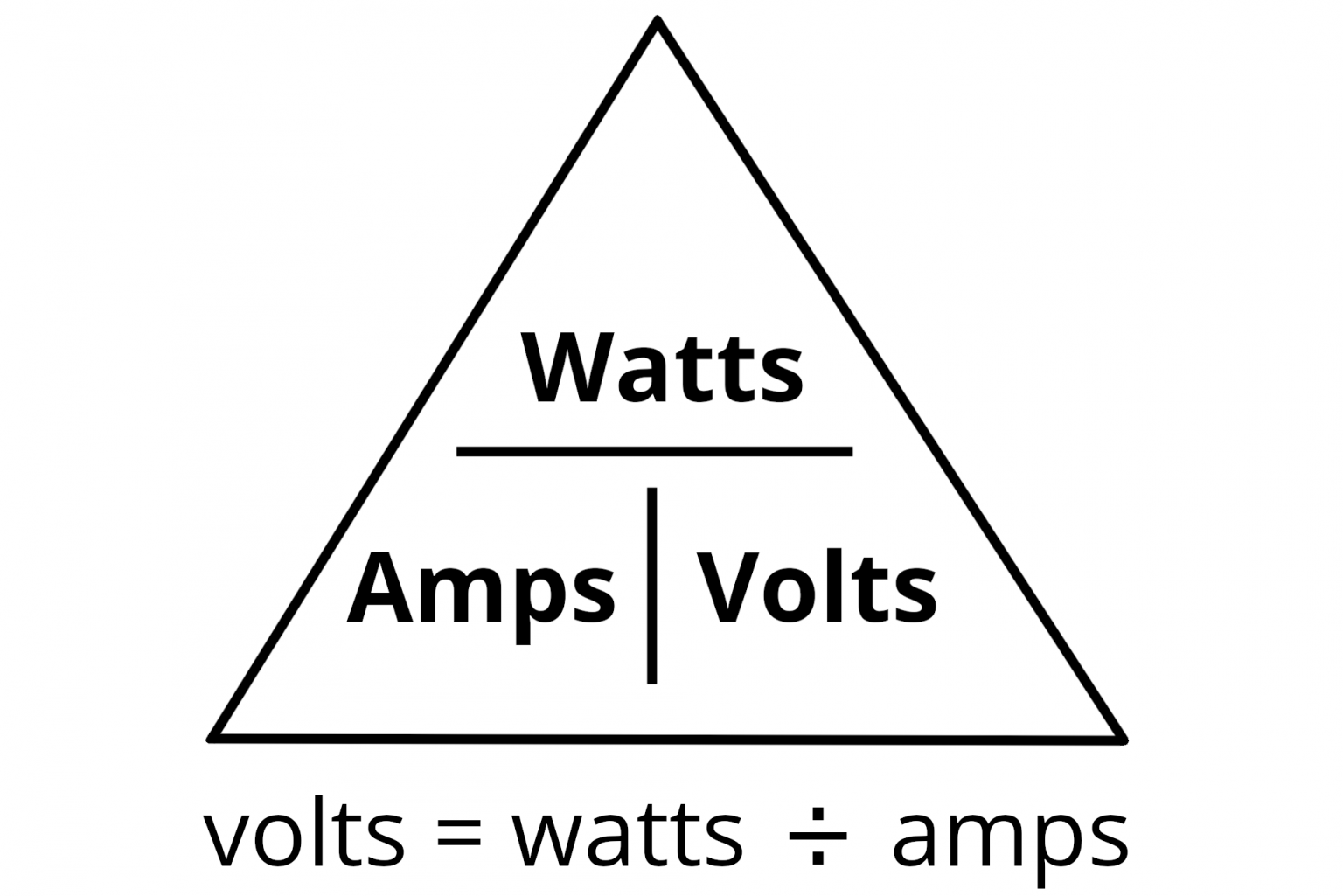
So, while you can't have volts in an amp, these three concepts – Volts (pressure), Amps (flow), and Ohms (resistance) – are inextricably linked. They dance a fascinating little jig known as Ohm's Law. Basically, if you know any two, you can figure out the third. It's like a magical electrical triangle!
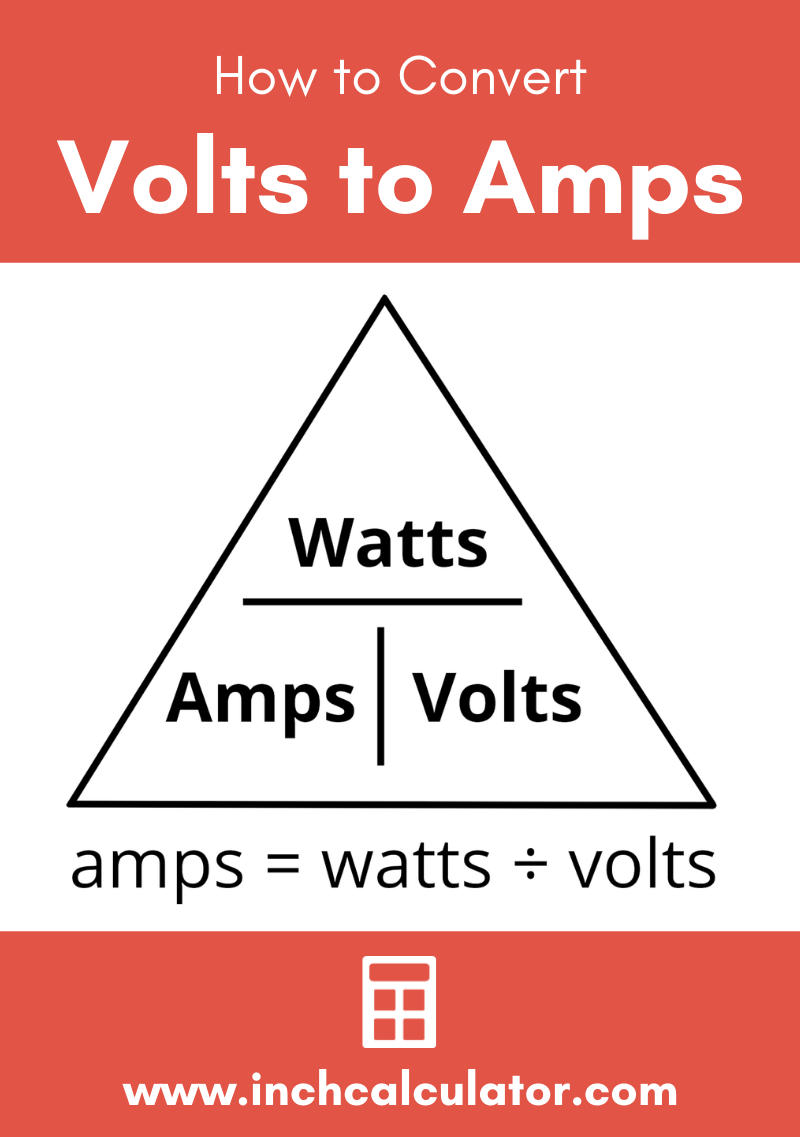
For example, if you have a certain voltage (pressure) and a certain resistance (pipe size), you can calculate exactly how much current (flow) will pass through. If you increase the voltage, the current goes up (more push, more flow). If you increase the resistance, the current goes down (same push, but a tighter pipe means less flow).
The Takeaway: Different, But Important!
So, the next time someone asks you, "How many volts are in an amp?", you can confidently, and perhaps with a slight smirk, say, "Well, my friend, that's like asking how many decibels are in a song! They're both about sound, but one is loudness and the other is the whole darn tune!"
Remember: Volts are the push, the electrical pressure. Amps are the flow, the quantity of electrons moving. And Ohms are the resistance, the opposition to that flow. They are all essential pieces of the electrical puzzle, but they are distinct measurements, each telling its own vital part of the story about how electricity works its magic (and sometimes, mischief!) in our world.