
How Many Volts Are In A Watt
Ever found yourself staring at an appliance label, perhaps a new toaster or a fancy hairdryer, and seeing a bunch of numbers like "120V" and "1500W"? Maybe a tiny voice in your head whispers, "Hold on, how many volts are in a watt, anyway?"
If that's you, welcome to the club! It’s a super common head-scratcher, and guess what? It’s a bit of a trick question, like asking, "How many miles are in an hour?" They’re related, sure, but they measure different things. So, let’s untangle this electrical noodle with a smile and a few everyday tales.
Think of Electricity as a Water Slide!
Imagine your electricity isn't tiny electrons zipping around, but rather, water flowing down a fun park water slide. This analogy makes everything so much clearer!
Must Read
First, let’s talk about Volts (V). Think of volts as the pressure pushing the water. Is it a gentle drizzle from a garden hose, or a powerful blast from a firehose? That’s the voltage! A higher voltage means more electrical "oomph" or pressure. In your home, most outlets are 120V – a nice, steady push for your everyday gadgets.
Next up, we have Amps (A). Amps are all about the amount of water actually flowing. Is it a tiny trickle you use to fill a cup, or a raging river rushing through a pipe? That’s the amperage! A device drawing more amps means it's asking for more "flow" of electricity.
So, Where Do Watts Come In?
Now, here’s where Watts (W) make their grand entrance. Watts measure the power – the total work being done by that water slide. It's not just about how hard the water is pushed (volts), nor just how much water is flowing (amps). It's the combination of both!
Think of it this way: a tiny squirt gun has high pressure (volts) but very little water flow (amps), so it has low power (watts). A lazy river ride has lots of water flow (amps) but very low pressure (volts), also low power (watts). But a really exciting water slide with a huge drop and tons of water moving quickly? That’s high watts!
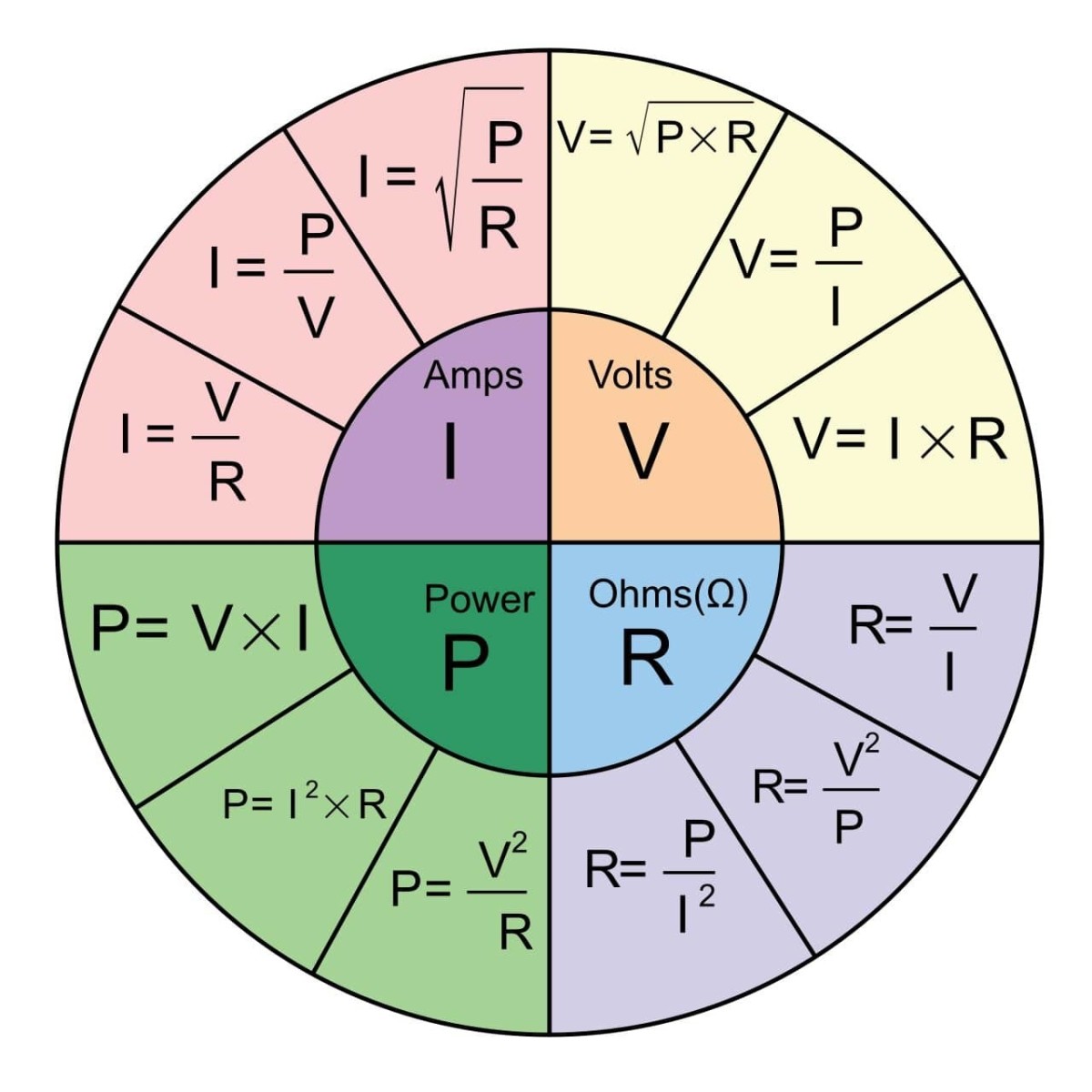
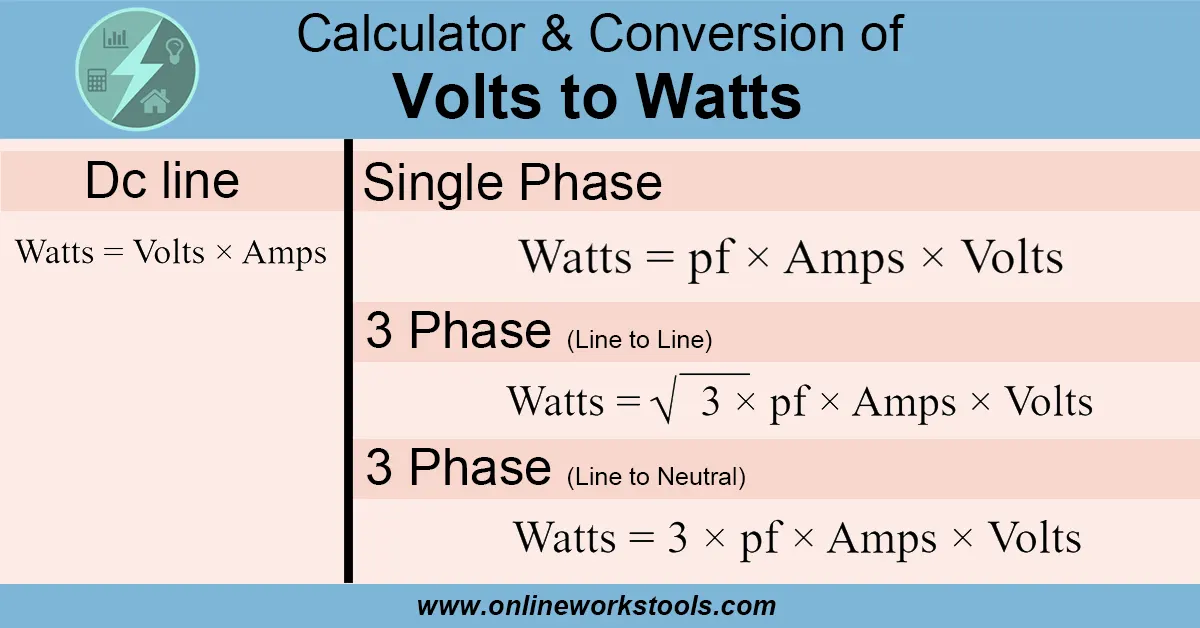
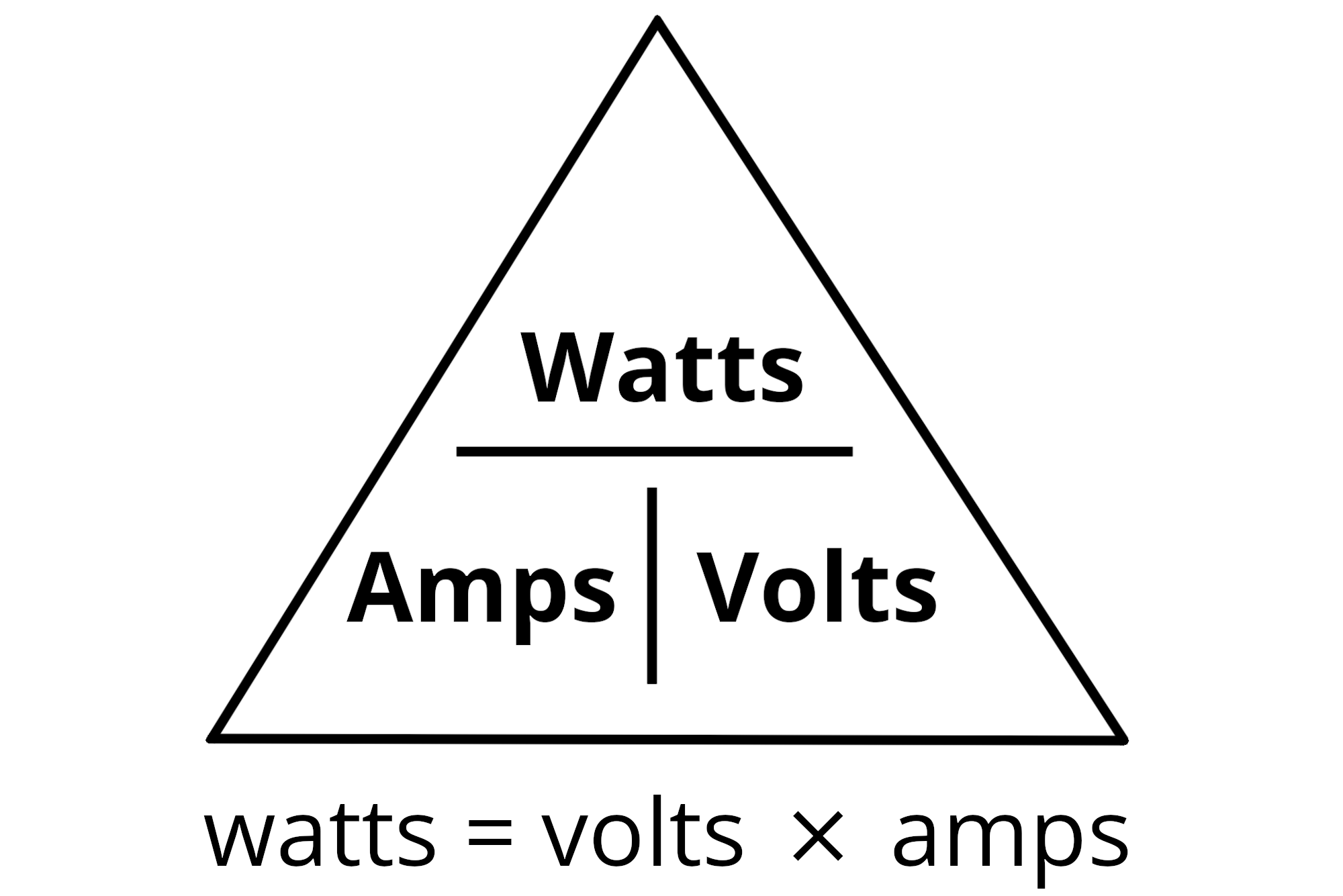
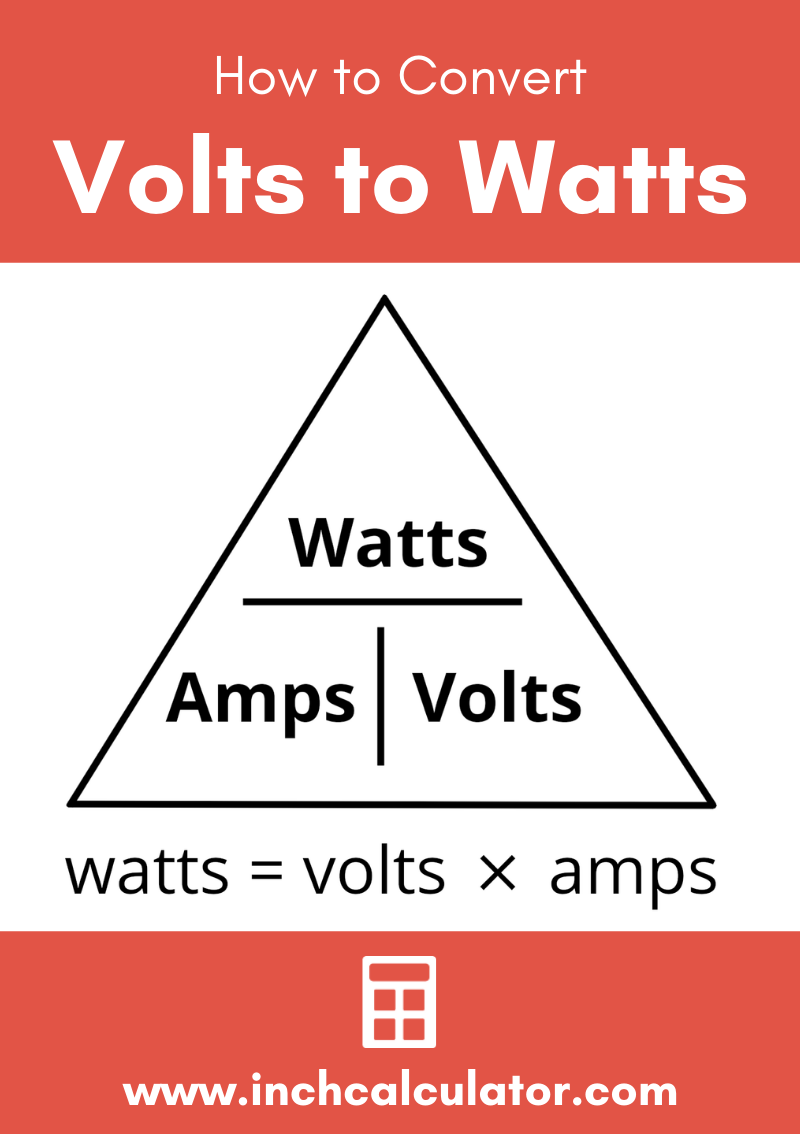
The magic formula that connects them is beautifully simple: Watts = Volts × Amps. That’s it! No complex calculus, just good old multiplication.
So, you can’t say "there are X volts in a watt" because a watt includes volts and amps. It’s like asking, "How many miles are in a speed of 60 miles per hour?" The speed uses miles and hours to describe itself, but isn't just one or the other.
Why Should You Even Care About This Power Trio?
This isn't just nerdy electrical trivia; understanding volts, amps, and watts can actually make your life easier, safer, and even save you a few bucks!
1. Saving Money on Your Electric Bill (The "Aha!" Moment)
Remember those light bulbs? For ages, we bought 60-watt bulbs, 100-watt bulbs, etc. That "wattage" tells you how much power the bulb consumes. A traditional 100W incandescent bulb uses 100 watts of power. But a modern LED bulb might give you the same amount of light for only 10-15 watts! Same light, way fewer watts, and thus, way less money spent on your electricity bill.
Your electricity company charges you for kilowatt-hours (kWh) – that's 1,000 watts used for one hour. So, a lower wattage appliance means fewer kilowatt-hours, and a happier wallet!
2. Appliance Savvy (No More Guesswork!)
When you see a blender listed at "1000W," you instantly know it's a powerful beast, ready to crush ice like a champ. A small travel hair dryer at "800W" is less powerful, but perfect for on-the-go. Understanding watts helps you choose the right tools for the job and appreciate what your gadgets can do.
3. Circuit Breaker Safety (Avoiding the "Oops" Moment)
This is where amps really shine in importance. Every circuit in your home has a circuit breaker, which is like a vigilant bouncer for your electrical system. It allows a certain amount of "flow" (amps) before it says, "Nope! Too much!" and trips, cutting off power to prevent overheating and potential fires.
If you plug too many high-wattage (meaning high-amp) devices into one outlet, you're asking for too much flow down that electrical pipe. The breaker trips, saving the day. Knowing your devices' watts (and thus their amps, since you know your voltage is typically 120V) helps you avoid that frustrating sudden darkness.
4. Battery Life and Power Banks (Understanding Your Juice)
Ever wondered why some phone chargers are faster than others, or why your power bank lasts longer? It often comes down to wattage! A charger that outputs 5V and 2A provides 10 watts of power (5V x 2A = 10W). A faster charger might be 9V and 2A, giving you 18W – that's a lot more juice flowing into your phone, making it charge quicker!
The Takeaway: Different Jobs, Teamwork Always!
So, next time someone asks, "How many volts are in a watt?" you can confidently and cheerfully say, "Ah, they're not interchangeable! Volts are the push, amps are the flow, and watts are the total power produced when they work together!"
It’s a simple concept that unlocks a lot of understanding about the electricity that powers our lives, helping you be a little bit smarter, a little bit safer, and maybe even save a few pennies. Who knew electrical concepts could be so empowering?