
How Many Usb Ports Does My Motherboard Have
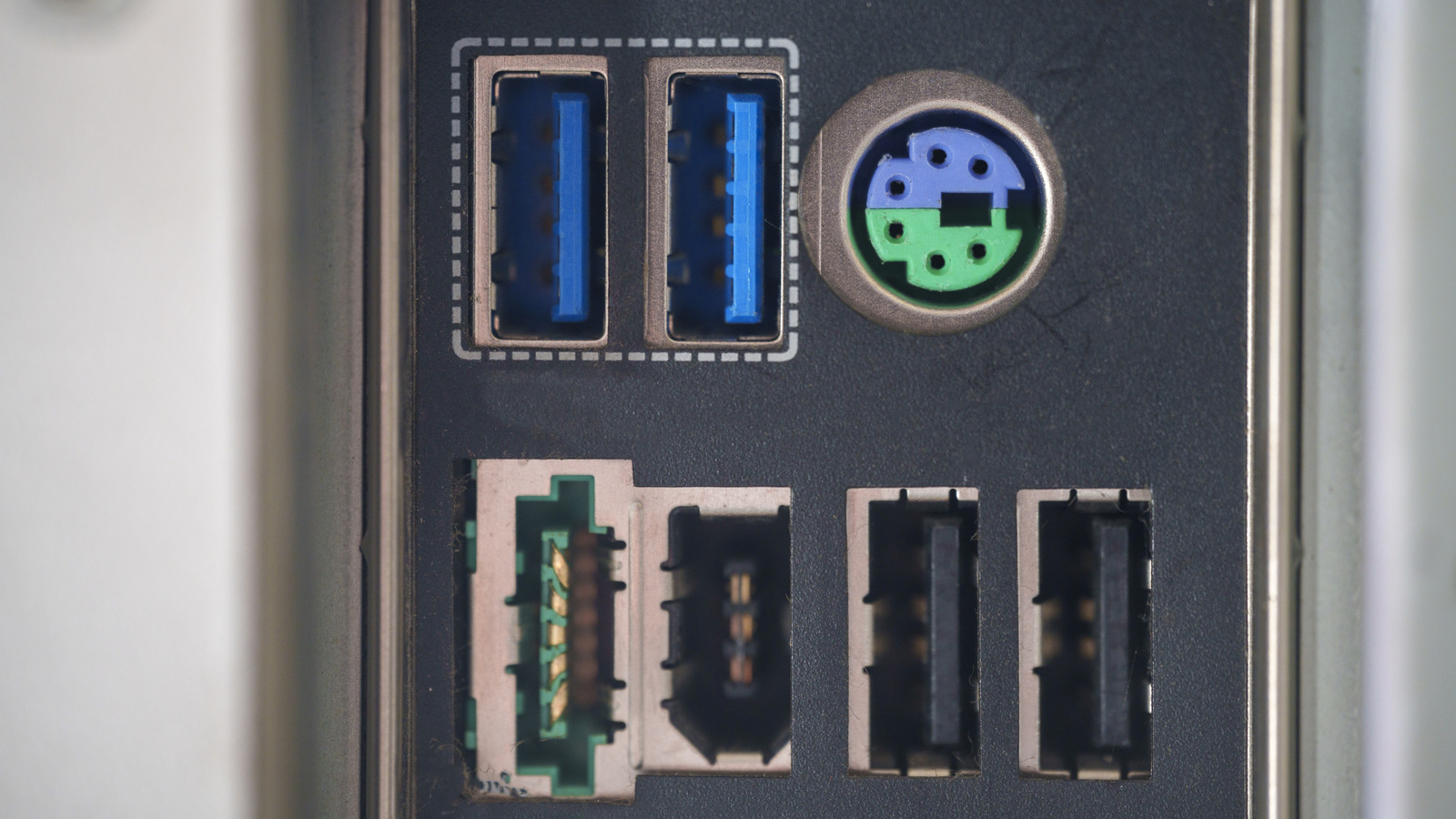
Ever wondered how many USB ports your computer's motherboard is rocking? It's like a little treasure hunt hiding in plain sight! Let's uncover this mystery together.
Finding out the number of USB ports isn't just some nerdy tech thing. It's practical and surprisingly interesting. Think of it as knowing how many friends you can invite to your digital party!
Why Even Care About USB Ports?
Okay, so why should you even bother counting these rectangular slots? Well, think about everything you plug into your computer. Mouse, keyboard, printer, external hard drives – the list goes on and on!
Must Read
Running out of USB ports is like running out of seats at a dinner party. It's awkward and means someone's getting left out. Knowing how many you have helps you plan your digital strategy.
Plus, sometimes those little ports have secrets. USB 2.0, USB 3.0, USB-C – they all offer different speeds and capabilities. It's like having a team of sprinters and marathon runners all lined up!
The Great Motherboard Inspection: A Real-Life Adventure
Ready to embark on this thrilling quest? There are a few ways to uncover the USB port count. Some involve peeking inside your computer (don't worry, it's easier than it sounds!), while others are purely digital.
Method 1: The Visual Reconnaissance Mission
This is the hands-on approach! Power down your computer completely. Unplug everything. Safety first, always!
Now, carefully open up your computer case. Consult your computer's manual or a helpful YouTube video if you're unsure how to do this. Trust me, it's like opening a fancy Christmas present.

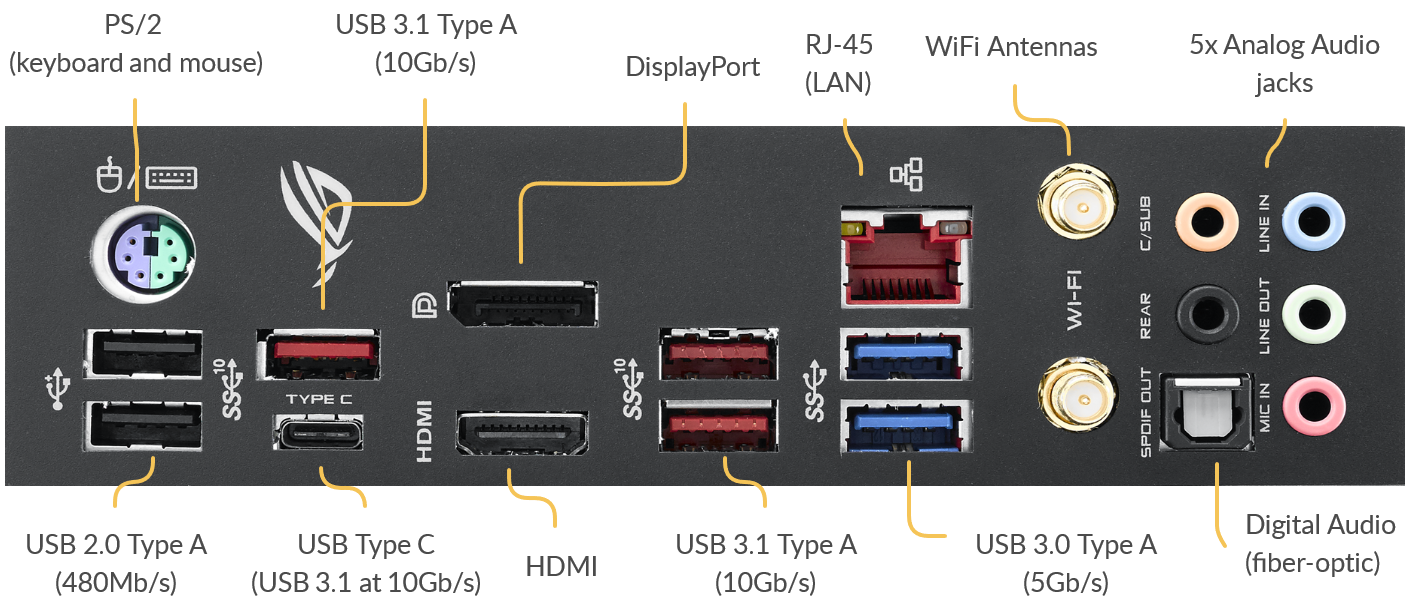
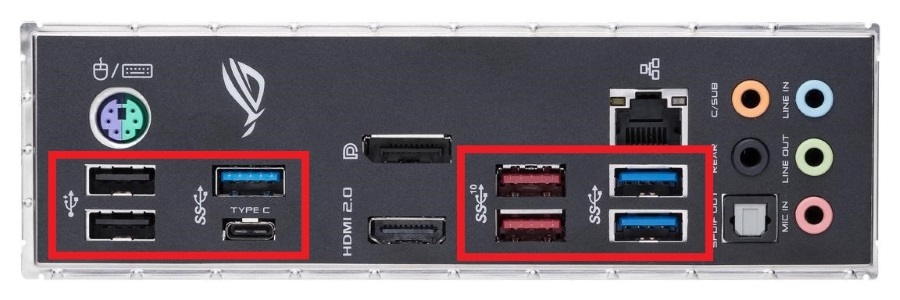
Once inside, feast your eyes upon the motherboard! It's usually the biggest, most colorful circuit board in there. USB ports are typically clustered on the back panel, near where you plug in your monitor, keyboard, and mouse.
Count 'em up! Note the number and, if possible, the type of each USB port. Are they the standard rectangular USB-A ports? Or the smaller, oval-shaped USB-C ports?
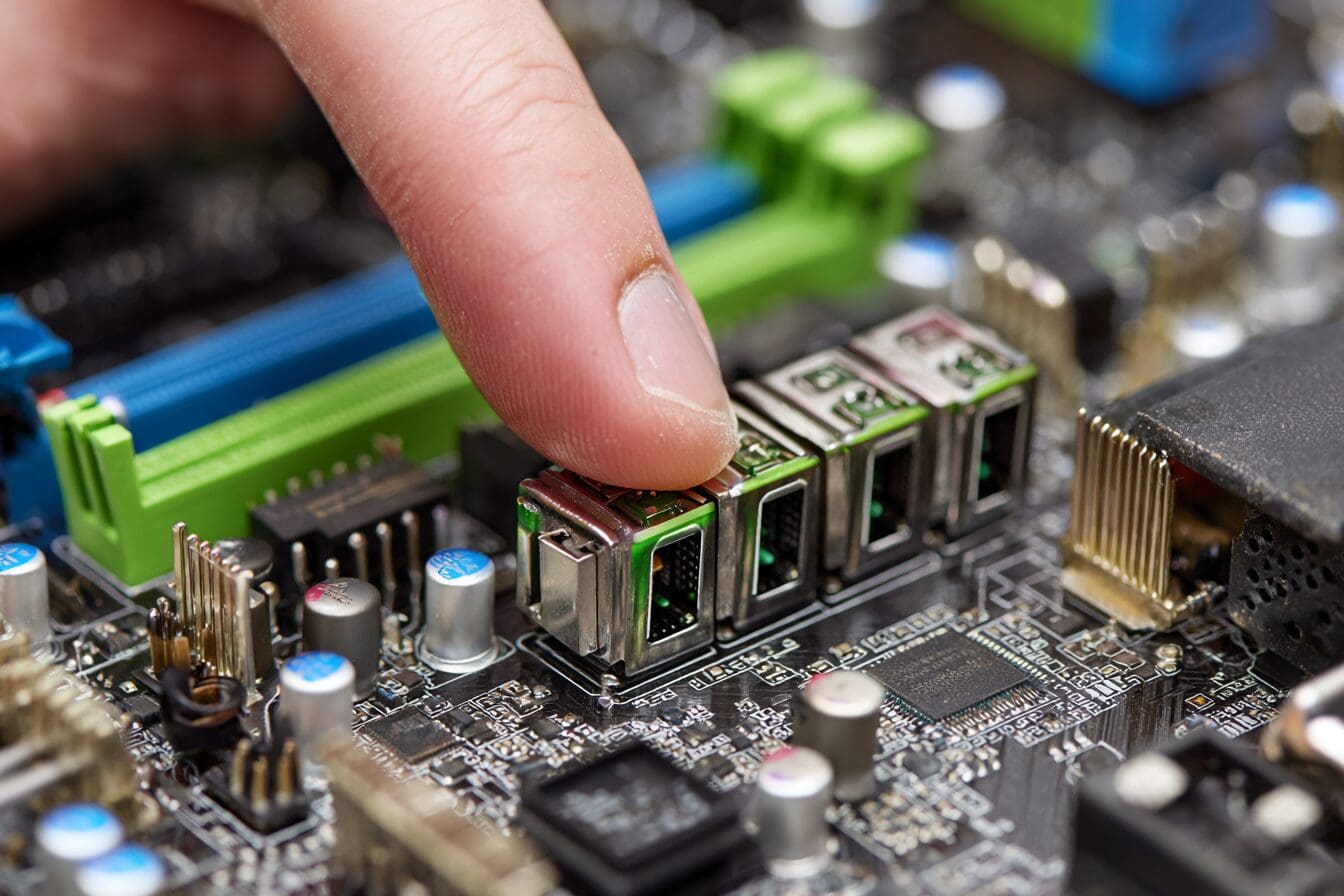
Some motherboards even have USB ports on the front of the case. Don't forget to count those too! You're practically an archaeologist uncovering ancient digital artifacts.
Method 2: The Software Sleuth
Don't want to get your hands dirty? No problem! There are software solutions that can reveal your USB port count. It's like having a digital detective on the case.
For Windows users, the Device Manager is your best friend. Type "Device Manager" into the search bar and open it up. Expand the "Universal Serial Bus controllers" section.
Here, you'll see a list of all your USB controllers. Unfortunately, it doesn't directly tell you the number of ports. However, it gives you a good indication of what's installed and active. Think of it as reading tea leaves, but for your computer!
For a more direct answer, you can use system information tools. These programs gather detailed information about your computer's hardware and software. Some popular options include Speccy and HWiNFO. It's like having a super-powered scanner for your computer.
These tools will often list the number and type of USB ports available on your motherboard. They might even tell you the version (USB 2.0, USB 3.0, etc.). It's like unlocking a secret level in a video game.
Method 3: The Documentation Dive
Remember that manual that came with your computer or motherboard? It might actually be useful! Dig it out of that drawer and dust it off. It's like finding a long-lost map to buried treasure.
The motherboard's specifications section will usually list the number and type of USB ports. It's the manufacturer's official declaration of port power! Prepare to be amazed by the information hidden within.
If you can't find the physical manual, try searching for it online. The motherboard manufacturer's website is your best bet. Type in the model number of your motherboard and look for the specifications page. It's like finding a cheat code for real life.
Decoding the USB Alphabet Soup
So, you've counted the ports. Now what? Time to decipher the USB alphabet soup! Understanding the different USB standards can help you optimize your device connections. It's like knowing the difference between a bicycle and a race car.
USB 2.0 is the old reliable. It's been around for ages and is compatible with almost everything. But it's also the slowest. Think of it as the tortoise in the race.
USB 3.0 (and its later iterations, USB 3.1 and USB 3.2) are much faster. They're often identified by their blue color. This is your hare, zooming along at impressive speeds.
USB-C is the new kid on the block. It's smaller, reversible (no more fumbling!), and can support even faster speeds and power delivery. It's the future of USB, sleek and powerful.
Knowing the USB versions allows you to prioritize connections. Plug your external hard drive into a USB 3.0 port for faster file transfers. Stick with USB 2.0 for your mouse and keyboard. It's all about optimizing your digital flow.
The Endless Possibilities of Extra USB Ports
So, what can you do with all those USB ports? The possibilities are endless! Think beyond the basics of keyboard and mouse.
Charge your phone, tablet, and other gadgets. Connect multiple external hard drives for backup and storage. Power up your gaming peripherals. It's like having a digital Swiss Army knife.
Get creative! Use USB hubs to expand your port count even further. Connect USB-powered fans to keep your computer cool. Attach USB-powered lights to illuminate your workspace. Your imagination is the only limit!
A Final Thought: The USB Port Appreciation Society
Hopefully, this little exploration has sparked your curiosity about your computer's innards. Taking a closer look at your USB ports is a small but rewarding way to understand your technology better. It's like appreciating the unsung heroes of your digital life.
So go forth and count your ports! May your connections be plentiful and your data transfers be swift. Welcome to the USB Port Appreciation Society – membership is free, and the benefits are endless!