
How Many Types Of Stainless Steel Are There
So, you're curious about stainless steel, huh? You’re probably thinking, "Steel is steel, right? Shiny, doesn't rust. Done." Oh, friend, you're in for a ride. Let's talk about the (surprisingly) vast world of stainless steel.
The "Official" Number: More Than You Can Shake a Stick At
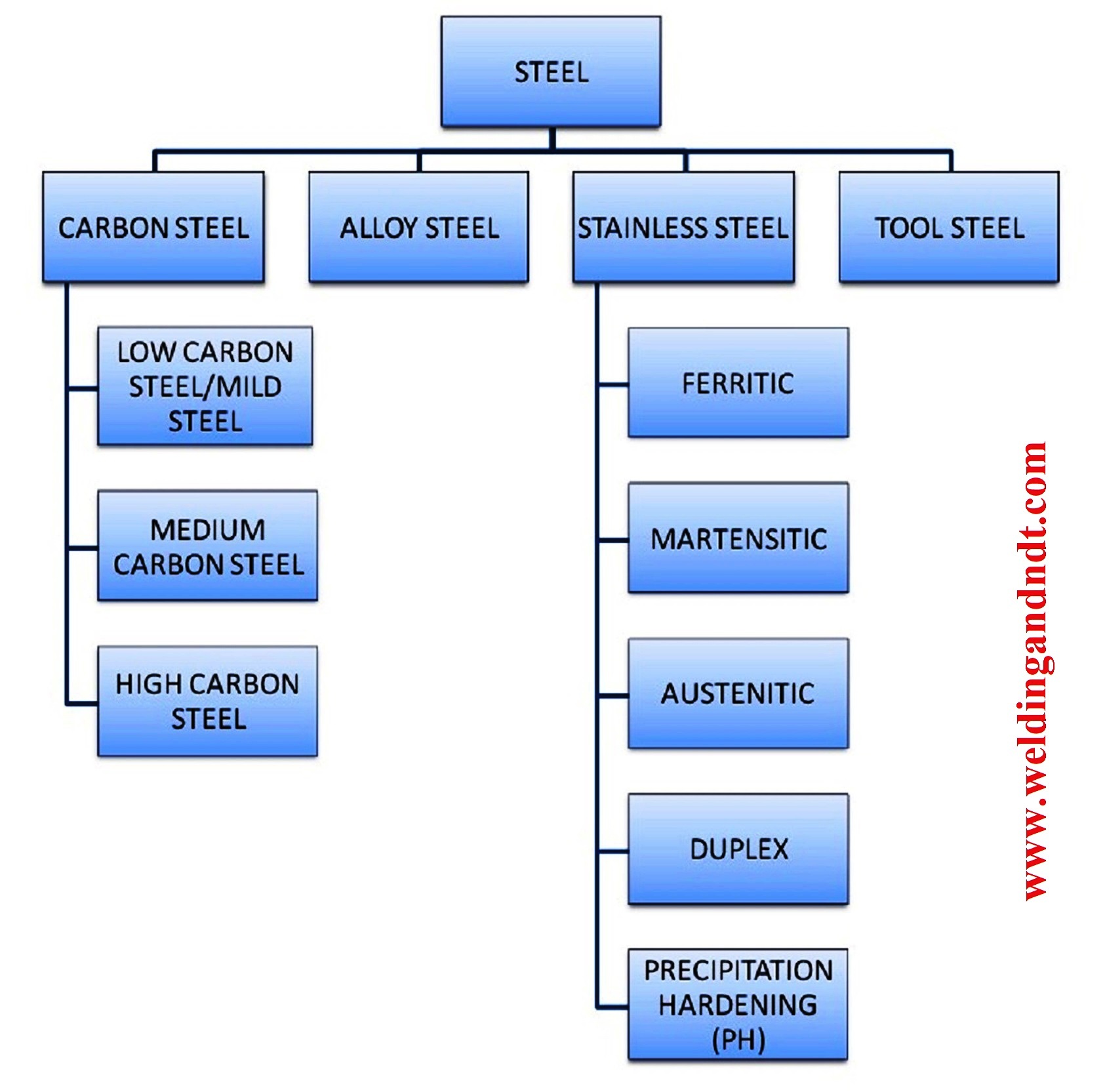
If you Google it, you'll find experts throwing around numbers like 150, 200, even 300+ different types of stainless steel. Seriously! It’s like the ice cream aisle at the grocery store. So many choices, you just grab vanilla and hope for the best. And honestly, who needs that kind of stress when buying a new spatula?
They all have slightly different blends of magical elements. Like chromium, nickel, molybdenum... It’s like a chemistry class threw up on a periodic table and then someone decided to make cutlery out of it. Each element changes how the steel behaves. It affects everything from its strength to how it resists corrosion in various situations. Think saltwater versus lemon juice. They’re not created equal!
Must Read
But here's my unpopular opinion: Do we really need that many? I mean, come on!
My "Unofficial" Opinion: Three Is Plenty
Okay, okay, I'm exaggerating. But let's be real. For most of us, the important ones boil down to three main categories:
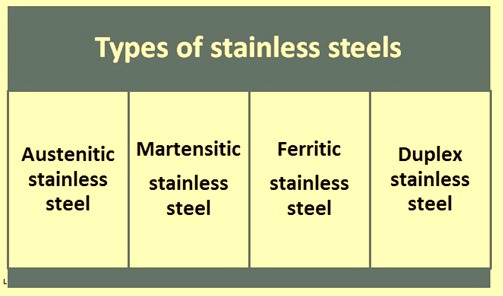
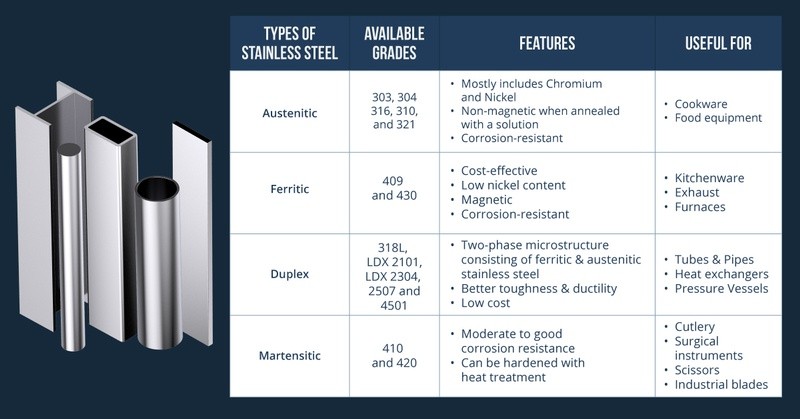
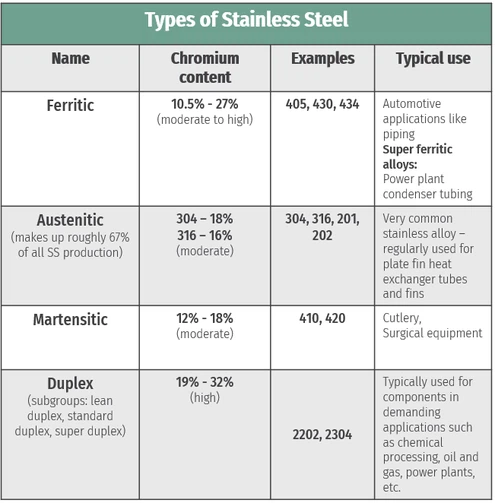
- Austenitic: This is your classic, everyday stainless steel. Think your pots, pans, sinks, and that fancy water bottle you take to the gym. The 300 series falls into this category (like 304 and 316). They're tough and resistant to corrosion. A real workhorse!
- Ferritic: These are your budget-friendly options. Often found in appliances like washing machines and some car exhaust systems. They're generally less expensive than austenitic steels but also slightly less corrosion-resistant. Don't leave that ferritic spatula soaking in tomato sauce overnight. You'll thank me later.
- Martensitic: These guys are the tough cookies of the stainless steel world. They're known for their strength and hardness. Think knives, surgical instruments, and anything that needs to hold a sharp edge. These can be heat-treated to make them even stronger.
See? Three! Manageable, right? You can handle three. You can even remember their fancy names: Austenitic, Ferritic, Martensitic. Try saying them three times fast!
Decoding the Numbers: A Secret Agent Mission (Kind Of)
You might see numbers attached to stainless steel types, like 304 stainless steel or 430 stainless steel. What do they mean? Think of them as secret codes! They tell you the exact composition of the steel. Knowing the number allows manufacturers, and sometimes even consumers, to understand exactly what properties the steel will have.
For example, 304 is super common, a good all-around choice for kitchenware. 316 is even more corrosion-resistant, perfect for marine environments or surgical implants. See? Each number tells a story... a slightly boring, chemically-dense story, but a story nonetheless.
Don't sweat the numbers too much unless you're, say, building a submarine. Or a particularly ambitious bird feeder. For most of us, knowing the basic categories (Austenitic, Ferritic, Martensitic) is enough to navigate the stainless steel jungle.
The Bottom Line: Don't Overthink It (Unless You Really Want To)
So, how many types of stainless steel are there? Officially, a gazillion. Unofficially, focus on the big three. Unless you’re an engineer, a metallurgist, or someone who just enjoys memorizing long lists of chemical compositions, you’ll be perfectly fine sticking with the basics.
Just remember to choose the right stainless steel for the job. And maybe, just maybe, avoid that suspiciously cheap stainless steel cutlery set that's on sale for 99 cents. Your future self (and your food) will thank you.

Now go forth and conquer the kitchen… armed with your newfound stainless steel knowledge! Or, you know, just order takeout. That works too.
Important Note: This is a simplified overview. Always consult with a professional if you have specific needs or concerns regarding stainless steel applications.