
How Many Tons Of Air Conditioning Do I Need
/air-conditioning-chart-1152654_final-01-5c522db7c9e77c0001d7671e.jpg)
Ever felt like Goldilocks trying to find the "just right" temperature? That's your AC unit's job! But before you can find that perfect setting, you need to know how much oomph your air conditioner needs.
Figuring out the right AC size is more than just guessing. It's like solving a puzzle, a cool, refreshing puzzle!
Why Size Matters (and It's Not What You Think!)
Too small, and your AC will sweat like crazy trying to keep up. Think of it as a tiny hamster running on a giant wheel!
Must Read
Too big, and it'll cycle on and off constantly. This makes your place feel like an ice cave one minute and a swamp the next. Plus, it's a major energy waster!
Getting it just right ensures your home is comfy and your energy bills are happy.
Tons of Fun with "Tons"
Here's where things get interesting. AC size is measured in "tons."
Yep, like a literal ton of bricks...sort of. It's actually a measurement of how much heat an AC unit can remove in an hour.
One ton equals 12,000 BTUs (British Thermal Units). Don't worry too much about the technical stuff. Just think of it as AC power!
So, How Many Tons Do You Need?
Alright, let's get down to brass tacks! Several factors influence what size AC is right for you.
Think of it like building a custom-designed comfort fortress! Your home's unique characteristics play a huge role.
Factor 1: Square Footage – The Obvious One
This is the most basic calculation. Generally, you need about 20 BTU per square foot.
For example, a 500-square-foot apartment might need a 1-ton AC. A 1,000-square-foot space might need 2 tons.
But hold on! It's not quite that simple...
Factor 2: Climate – Where You Live Matters
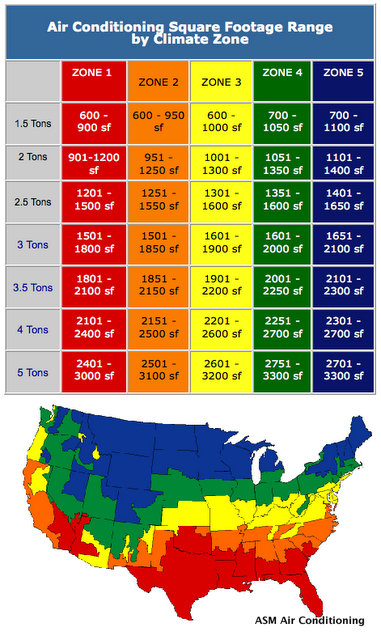
Are you baking in the desert sun or enjoying mild coastal breezes? Your climate makes a huge difference!
Hotter climates need more AC power. Colder climates? Well, you might not need AC at all (lucky you!).
Areas with high humidity also require more powerful units to remove that sticky feeling.
Factor 3: Insulation – Keeping the Good Stuff In (and the Bad Stuff Out)
Good insulation is like a cozy sweater for your house. It keeps the heat out in summer and the warmth in during winter.
Poor insulation? Your AC will have to work overtime. Think of it as trying to cool a tent in the Sahara!
Upgrading your insulation can significantly reduce your AC needs and save you money.
Factor 4: Windows – Light and (Sometimes) Heat
Windows let in glorious sunlight... and unwanted heat. The more windows you have, especially south-facing ones, the more AC you'll need.
Consider window treatments like blinds or curtains to block out some of that heat. Tinted windows are another option.
They're like sunglasses for your house!
Factor 5: Ceiling Height – It Adds Up (Literally)
High ceilings create a larger volume of air to cool. That means more work for your AC.
If you have soaring ceilings, factor that into your calculations. You might need a slightly larger unit.
Think of it as having a larger swimming pool to fill – it takes more effort!
Factor 6: Number of Occupants – Body Heat is Real!
More people in your home mean more body heat. All those warm bodies contribute to the overall temperature.
If you have a large family or frequently entertain guests, factor that in. A slightly larger AC unit might be necessary.
It's like adding extra marshmallows to your hot chocolate – you need a bigger mug!
Factor 7: Heat-Generating Appliances – The Silent Culprits
Your appliances – oven, stove, computer, even your TV – generate heat. All that heat adds up!
If you frequently use heat-producing appliances, consider a slightly larger AC unit.
Think of it as baking a cake – it warms up the whole kitchen!
The "Cheat Sheet" Method (It's Not Really Cheating!)
Okay, so that's a lot to consider. Don't worry, there are easier ways to estimate your AC needs.
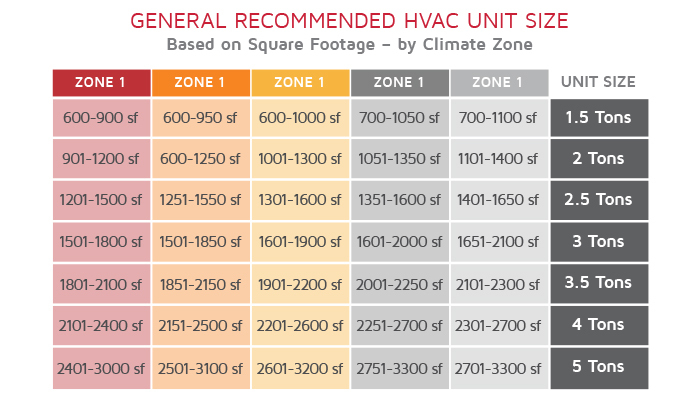
Many HVAC companies offer online calculators or charts. These tools take into account several factors to give you a rough estimate.
They're like handy little AC fortune tellers!
The 500 Square Foot Rule (A Very Rough Guide)
A super basic rule of thumb: One ton of AC can cool roughly 500 square feet.
But remember, this is extremely general. Climate, insulation, and other factors can significantly affect this estimate.
Think of it as a starting point, not the final answer!
The Professional Approach – When to Call in the Experts
The best way to determine your AC needs? Consult with a qualified HVAC professional!
They can perform a thorough assessment of your home. They'll take into account all the relevant factors and recommend the perfect size AC unit.
It's like getting a tailored suit instead of buying one off the rack – it'll fit perfectly!
What an HVAC Pro Will Do
An HVAC pro will do more than just look at square footage. They'll conduct a Manual J load calculation.
This detailed analysis considers all the factors we've discussed, plus things like ductwork efficiency and building materials.
They'll also assess your existing AC system (if you have one) and identify any potential problems.
Why It's Worth the Investment
Hiring an HVAC pro might seem like an extra expense. But it can save you money in the long run.
A properly sized AC unit will operate more efficiently, reducing your energy bills. It will also last longer, saving you replacement costs.
Plus, you'll enjoy consistent, comfortable temperatures throughout your home!
Avoiding Common Mistakes
Choosing the wrong AC size is a common mistake. But it's one you can easily avoid.
Don't just rely on a general rule of thumb. Take the time to consider all the factors that influence your AC needs.
And when in doubt, consult with a professional!
Don't Oversize! It's a Temptation, but Resist!
Many people think bigger is better when it comes to AC. But oversizing can actually be worse than undersizing.
Oversized units cycle on and off frequently. This leads to uneven temperatures, wasted energy, and increased wear and tear.
Plus, oversized units often don't dehumidify properly, leaving your home feeling clammy.
Don't Undersize! It's a Struggle!
An undersized unit will struggle to keep your home cool. It will run constantly, driving up your energy bills.
It will also wear out faster, as it's constantly working at its maximum capacity.
Think of it as trying to climb a mountain with flip-flops – not a good idea!
The Sweet Spot – Finding AC Nirvana
The goal is to find that sweet spot – the perfect AC size for your home and your needs.
With the right AC, you'll enjoy comfortable temperatures, lower energy bills, and a longer-lasting system.
It's like finding the perfect pair of shoes – comfortable, stylish, and built to last!
Ready to Dive In?
Figuring out how many tons of air conditioning you need might seem daunting. But it's an important step towards creating a comfortable and energy-efficient home.
Do your research, consider your options, and don't be afraid to ask for help. With a little effort, you'll find the perfect AC solution for your needs.
So, are you ready to embark on your AC adventure? Get ready to chill out – literally!