
How Many Tons Of Ac Do I Need
Okay, so picture this: You’re melting. Literally, just a puddle on the couch. The sweat is real, the discomfort is epic, and all you can think is, "I need more AC! But, like, how much more?" You start hearing terms like "tons" of AC, and your brain just goes, "Wait, am I cooling a house or excavating a mine shaft?"
Sound familiar? Of course, it does! We’ve all been there, squinting at numbers, wondering if we need a blast chiller for our living room or just, you know, a slightly beefier unit. It’s a super common question, and honestly, it’s not as simple as picking a shirt size. (Wouldn't that be nice, though? "I'll take a medium AC, please!")
Wait, "Tons"? Are We Mining For Coolness?
First things first, let's clear up the whole "tons" thing. No, you’re not literally hauling a ton of ice into your attic. Back in the day, before fancy mechanical AC, people used ice to cool things down. A "ton" of AC actually refers to the amount of heat energy needed to melt one ton (2,000 pounds) of ice in 24 hours. That’s a lot of heat, right?
Must Read
In modern terms, one "ton" of AC equals 12,000 BTUs (British Thermal Units) per hour. BTUs are just a way to measure heat energy. So, when someone says they need a 3-ton AC unit, they’re talking about a unit that can remove 36,000 BTUs of heat from your home every hour. Pretty cool, huh? (Pun intended, obviously.)
So, What's the Magic Formula? (Spoiler: There Isn't One!)
If only there was a super easy, one-size-fits-all answer! Like, "Oh, your house is blue? You need 2.5 tons." Nope, not how it works, unfortunately. Your home is a unique snowflake, a special little habitat with its own quirks and challenges. And all those quirks affect how much AC you truly need.
Trying to guess your perfect AC size is kind of like trying to guess how much pizza you need for a party without knowing how many people are coming or how hungry they are. You could end up with way too much, or worse, not enough! Disaster!
Let's Talk About the Nitty-Gritty: Your Home's Personality
To figure out your AC "tonnage," we need to play detective. Here are the big players:
1. Size Matters, Duh!
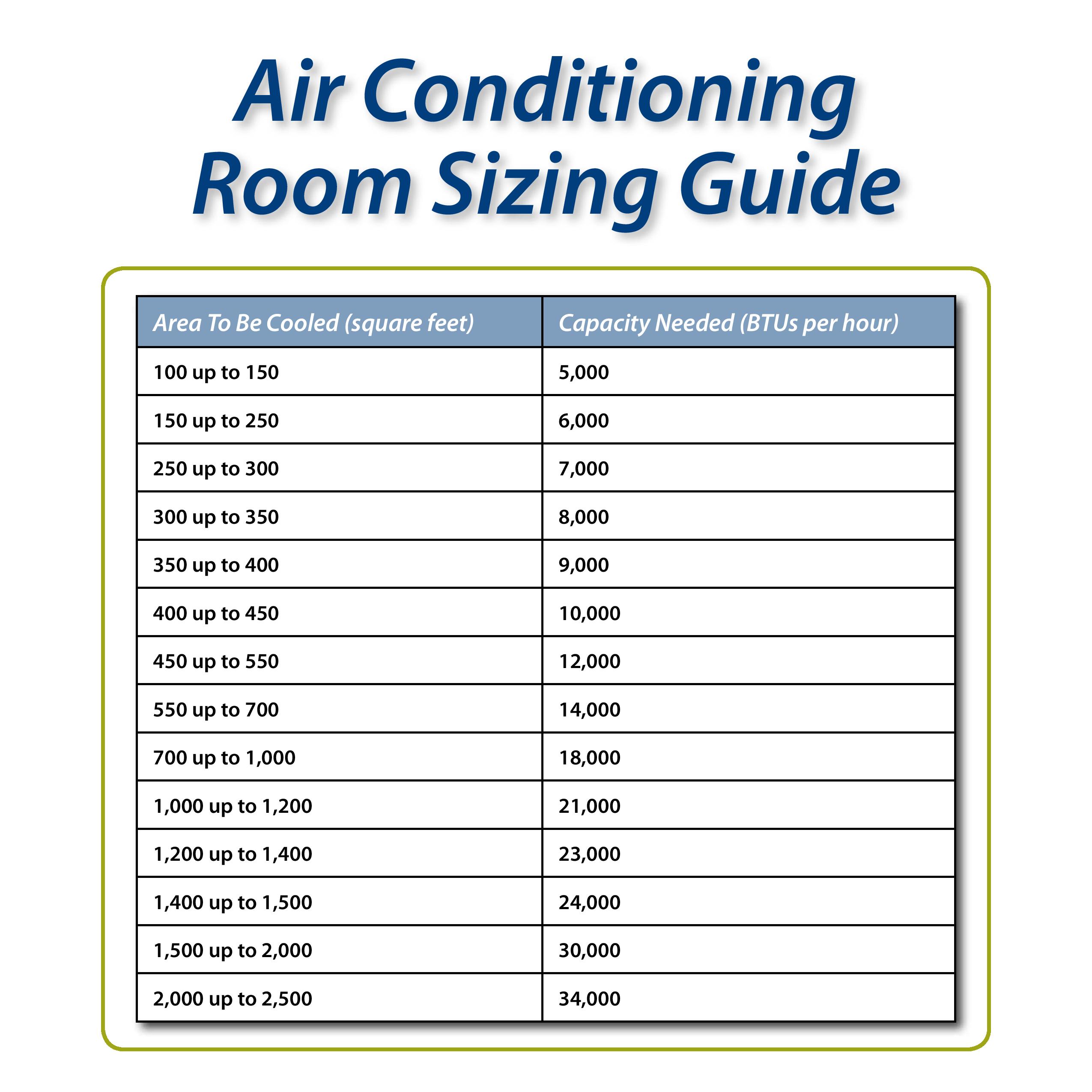
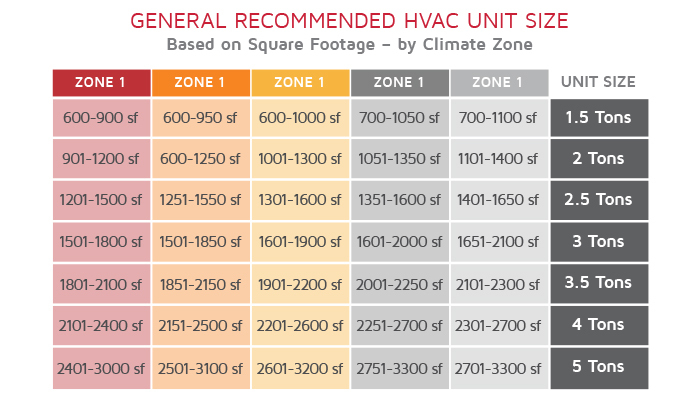
This one’s a no-brainer. The bigger your house, the more air you need to cool, right? Square footage is your starting point. A tiny studio apartment will need a lot less cooling power than a sprawling, multi-story mansion. For a super rough, back-of-the-napkin estimate, people often say you need about 20 BTUs per square foot. So, a 2,000 sq ft house * 20 BTUs/sq ft = 40,000 BTUs. Divide by 12,000 BTUs/ton, and you get about 3.3 tons. But remember, this is like, super rough. Don't go buying anything based on this alone!
2. Ceiling Height: The Unsung Hero (or Villain)
Surprise! It's not just about the floor. Those lovely high ceilings might look grand, but they mean there's a lot more air volume to cool down. A house with 10-foot ceilings will need more oomph than one with standard 8-foot ceilings, even if the square footage is the same. More air means more work for your AC!

3. Windows, Windows Everywhere!
Oh, those beautiful windows letting in all that natural light! They also let in a whole lot of heat. Especially if they're old, single-pane windows, or if your house faces west and gets blasted by the afternoon sun. Seriously, windows are heat magnets. Good, energy-efficient windows can make a massive difference.
4. Insulation: Your Home's Winter Coat (and Summer Shield)
Think of insulation like your home’s cozy blanket. Good insulation keeps the cold air in during summer and the warm air out. If your attic is poorly insulated, or your walls are basically just drywall and empty space, your AC is fighting a losing battle, constantly trying to cool air that’s escaping. A well-insulated home needs way less cooling power to stay comfortable.
5. Sun's Out, Buns Out (and Heat In!)
Which direction does your house face? Do you have big shady trees or is it just wide open to the sun all day long? A house with lots of south-facing windows and no shade is going to soak up more heat than a north-facing home nestled among leafy trees. Geography matters, people!

6. People, Pets, and Pizza Ovens
Guess what? You and your loved ones are tiny heat generators! So are your pets. And your oven, your big-screen TV, your computer – pretty much everything electrical adds heat to your home. A bustling household with five people, two dogs, and someone always baking will need more AC than a single person living alone. It's the human factor!
The Big Mistake: Going Too Big!
You might think, "Well, if in doubt, just get the biggest one, right? More power!" Wrong! Oversizing your AC unit is actually a really common and expensive mistake. An oversized unit will cool your house too quickly, then shut off. This is called "short-cycling."
Why is short-cycling bad? First, it’s less efficient, so your energy bills will actually be higher. Second, and this is a biggie, it doesn’t run long enough to properly dehumidify your home. You’ll end up with a house that feels cool but still clammy and damp – the worst of both worlds! Plus, constantly turning on and off puts more wear and tear on the unit, meaning a shorter lifespan. Not ideal.

So, What's a Pal to Do?
Alright, so we've established it's not a simple question. You need to consider your square footage, ceiling height, windows, insulation, sun exposure, and how many living, breathing, heat-generating beings (and their gadgets!) are inside.
The moral of this story? While it's great to understand the factors, the absolute best thing you can do is call in a professional HVAC technician. They'll do a proper load calculation (sometimes called a Manual J calculation), which takes all these factors (and more!) into account. They’ll measure, analyze, and give you an accurate recommendation. It's like having a personal trainer for your home's comfort!
Don't sweat it (pun, again!). Get a pro to help, and you'll be chilling out in perfect comfort in no time. You deserve it!