
How Many Ton Ac For 3000 Sq Ft

Hey there, comfort-seeker! So, you've got a spacious 3000 sq ft abode, and you're dreaming of that perfectly chilled oasis when the mercury starts to rise. Your big question, quite literally, is: "How many tons of AC do I need for this palace?"
It's a fantastic question, and one that trips up many homeowners. You'd think there'd be a simple, "Aha! Just multiply by X!" answer, right? Well, buckle up, because while I can give you a starting point, picking the right AC is a bit like choosing the perfect pair of jeans – it’s not just about the waist size; you need to consider the fit, the style, and how much pizza you plan on eating later. 😉
The Ballpark Figure (But Don't Quote Me On It!)
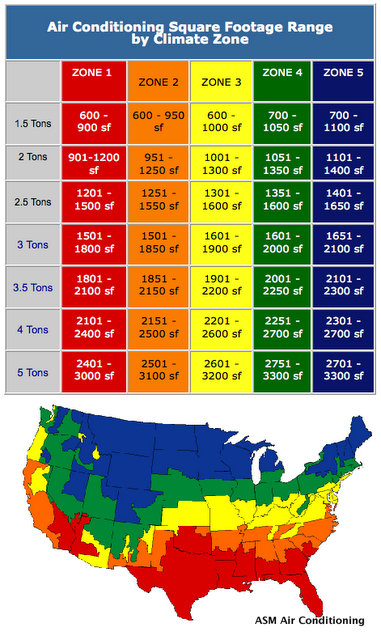
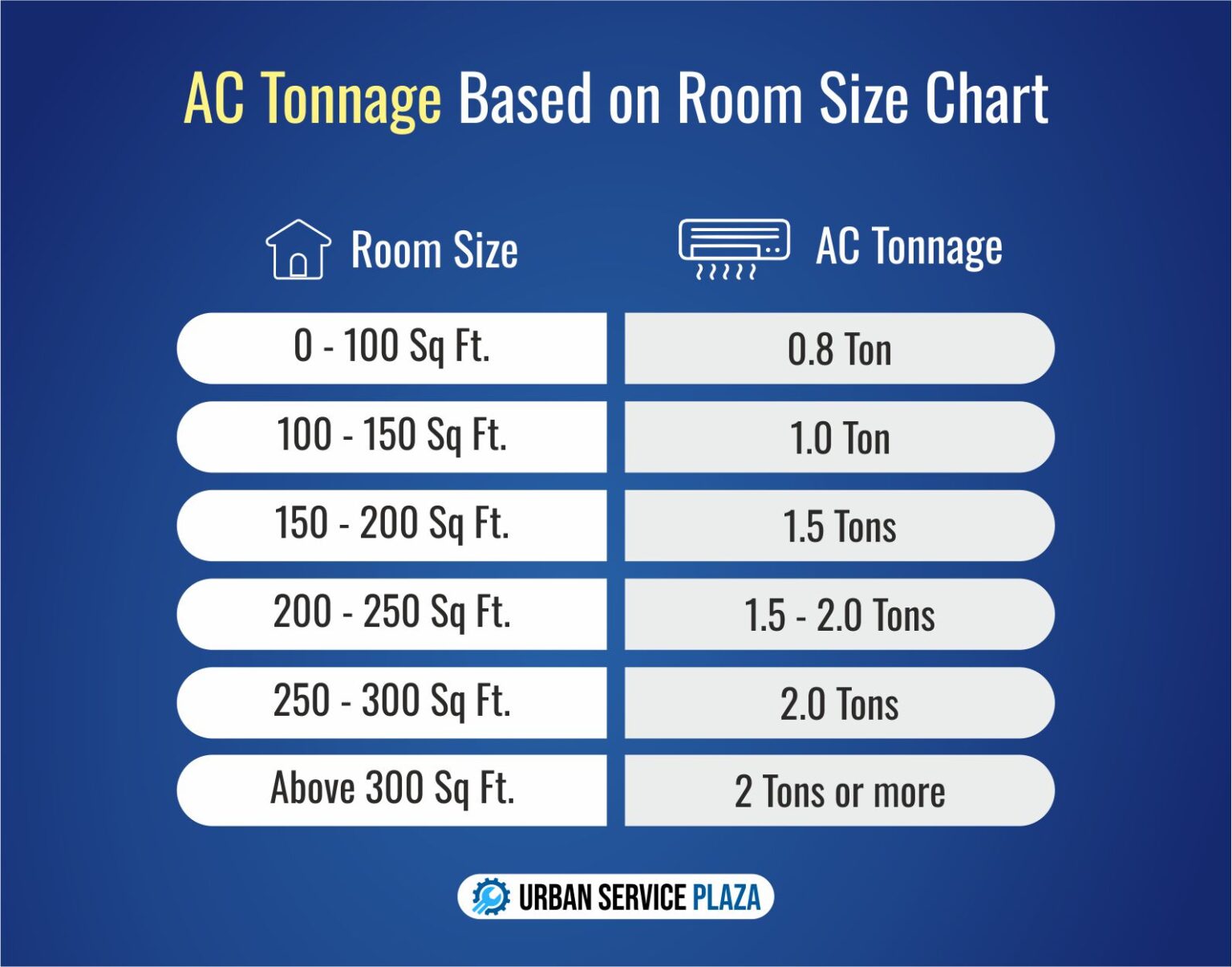
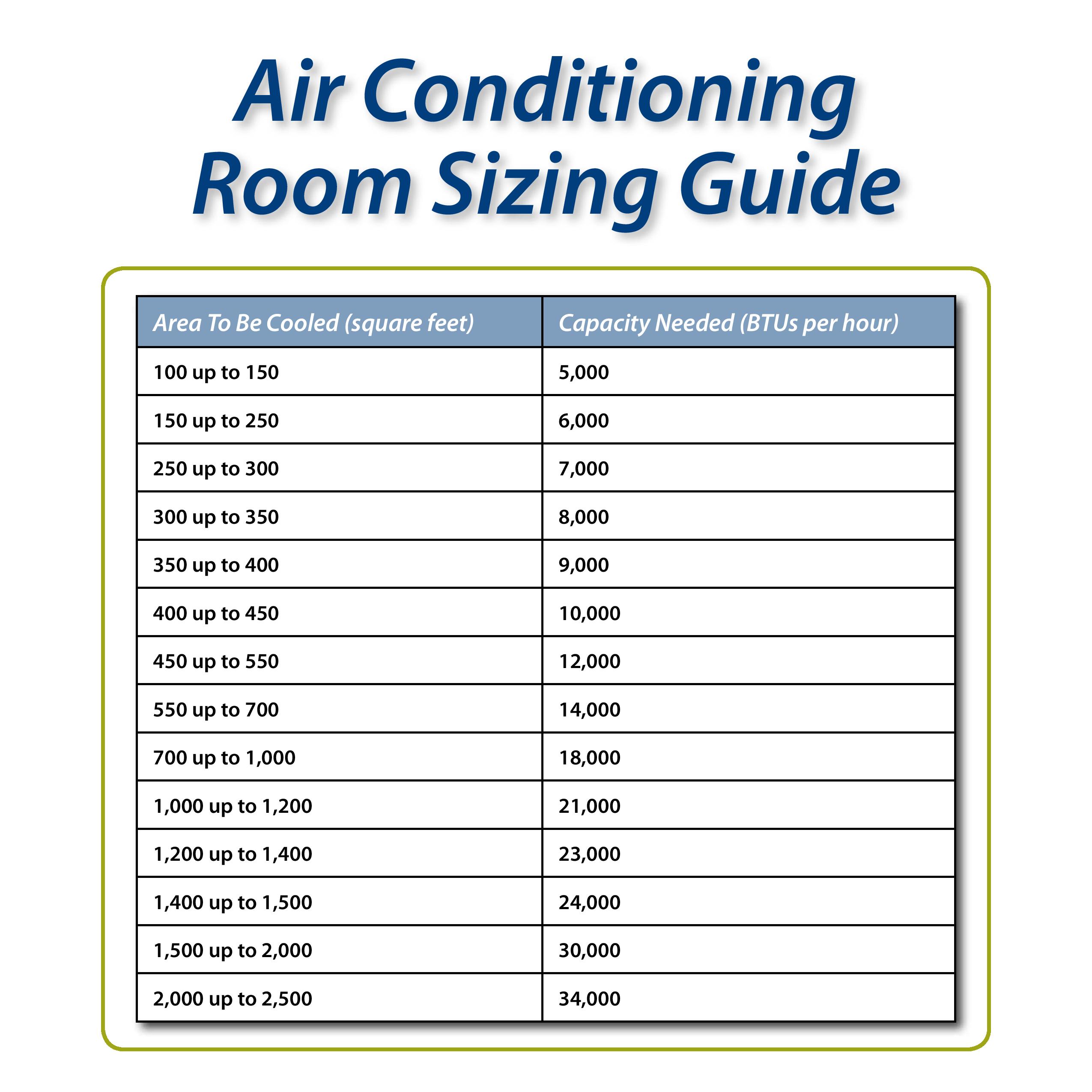
Alright, for a 3000 sq ft home, a common rule of thumb often suggests you'll be looking in the range of 5 to 6 tons of air conditioning capacity. A ton of AC, by the way, isn't about how much the unit weighs (thank goodness, can you imagine delivering a 5-ton AC?). It refers to its cooling power – specifically, the ability to remove 12,000 BTUs (British Thermal Units) of heat per hour. So, 5 tons means 60,000 BTUs/hour!
Must Read
But here’s the kicker: that 5-6 ton estimate is just the opening act. There are so many co-stars in this comfort drama that can swing that number up or down. Let's peek behind the curtain at what really influences your perfect AC match.
Beyond Square Footage: What Really Matters
Think of your home as a unique snowflake (a warm snowflake in summer, perhaps!). Many factors determine how much cooling power it truly needs:
1. Your Home's Ceiling Height
Got those lovely, soaring cathedral ceilings? While they look amazing, they mean you have a lot more air volume to cool than a home with standard 8-foot ceilings. More air to cool means your AC needs to be a bit more of a heavyweight champ.
2. Insulation, Insulation, Insulation!
This is probably the biggest unsung hero in the AC world. A well-insulated home (walls, attic, windows) is like a super-efficient cooler – it keeps the cold in and the heat out. If your insulation is lacking, your AC will have to work overtime, trying to fight a losing battle against heat infiltration. It's like trying to keep ice cream frozen in a colander!
3. Windows and Their Sun Exposure
Are your windows big and beautiful, letting in tons of natural light? Fantastic! But if they're also letting in tons of direct sunlight, especially from the south or west, they're basically giant heat lamps. Energy-efficient windows or good shading can significantly reduce this heat gain. Think of them as your home's sunglasses!

4. Your Local Climate (The Sweat Factor!)
Living in scorching hot and humid places (hello, Florida! Howdy, Texas!) means your AC has to do more than just cool the air; it also has to dehumidify it. Humidity makes everything feel stickier and hotter. If you're in a drier, milder climate, your cooling needs might be a bit less intense.
5. Number of Occupants and Heat-Generating Appliances
A bustling household with three kids, two pets, and a constantly running home office full of electronics generates a lot more body heat and equipment heat than a single person living alone. Every person is essentially a tiny heater, and every glowing screen adds a bit of warmth to the mix.
6. Your Ductwork's Condition
Even the most powerful AC unit is useless if its delivery system is leaky! Old, poorly sealed, or uninsulated ductwork can lose a significant amount of cool air before it even reaches your living spaces. It's like trying to drink through a straw full of holes – frustrating and inefficient!
Why Getting it Right Matters (A Lot!)
You might be thinking, "Eh, I'll just get a bigger one to be safe!" But hold your horses! Both an oversized AC unit and an undersized one can lead to problems:
- Oversized AC: It cools too quickly, then shuts off ("short-cycling"). This means it doesn't run long enough to effectively remove humidity, leaving you with that clammy, sticky feeling. Plus, it uses more energy starting and stopping, leading to higher bills and more wear and tear.
- Undersized AC: It runs constantly, struggling to reach your desired temperature, especially on super-hot days. This means high energy bills, a lack of comfort, and your AC unit burning itself out much faster.
It's truly a Goldilocks situation: you need one that's just right.
So, What's the Real Answer?
The absolute best, most accurate, and most financially sound way to determine the perfect AC tonnage for your 3000 sq ft home is to have a professional HVAC technician perform a load calculation. They use a standardized method (often called a Manual J calculation) that considers all the factors we just talked about, and then some!
They'll look at your home's orientation, window types, insulation R-values, local climate data, and even the color of your roof! It’s like a personalized cooling prescription just for your unique home.
Your Comfort Awaits!
Investing a little time now to get the right AC system means you'll be enjoying consistent comfort, lower energy bills, and a longer-lasting unit for years to come. No more sweating through summer nights or shivering because your AC is overdoing it!
So go ahead, chat with a pro, get that perfect system in place, and prepare to bask in the glorious, perfectly regulated coolness of your home. Your future self (the one sipping iced tea in blissful comfort) will absolutely thank you. Stay cool, my friend, stay cool!