
How Many Ton Ac For 1800 Sq Ft

Ever walked into a room and it just felt... wrong? Too stuffy, too chilly, or that weird clammy feeling that makes you want to stick to the furniture? Chances are, your air conditioner might be having a little identity crisis. It's either working too hard, not hard enough, or just not quite right for your space. Today, we're going to chat about one of those head-scratching questions that pop up when you're thinking about home comfort: "How many tons of AC do I need for my 1800 square foot home?"
Now, if you're like most people, your first thought might be, "A ton? Like, a literal ton of ice? Is my house going to turn into an igloo?" And that's a perfectly normal reaction! Let's clear that up right away. When we talk about a "ton" in the world of AC, we're not talking about weight. Nope, not even a little bit. We're talking about cooling power.
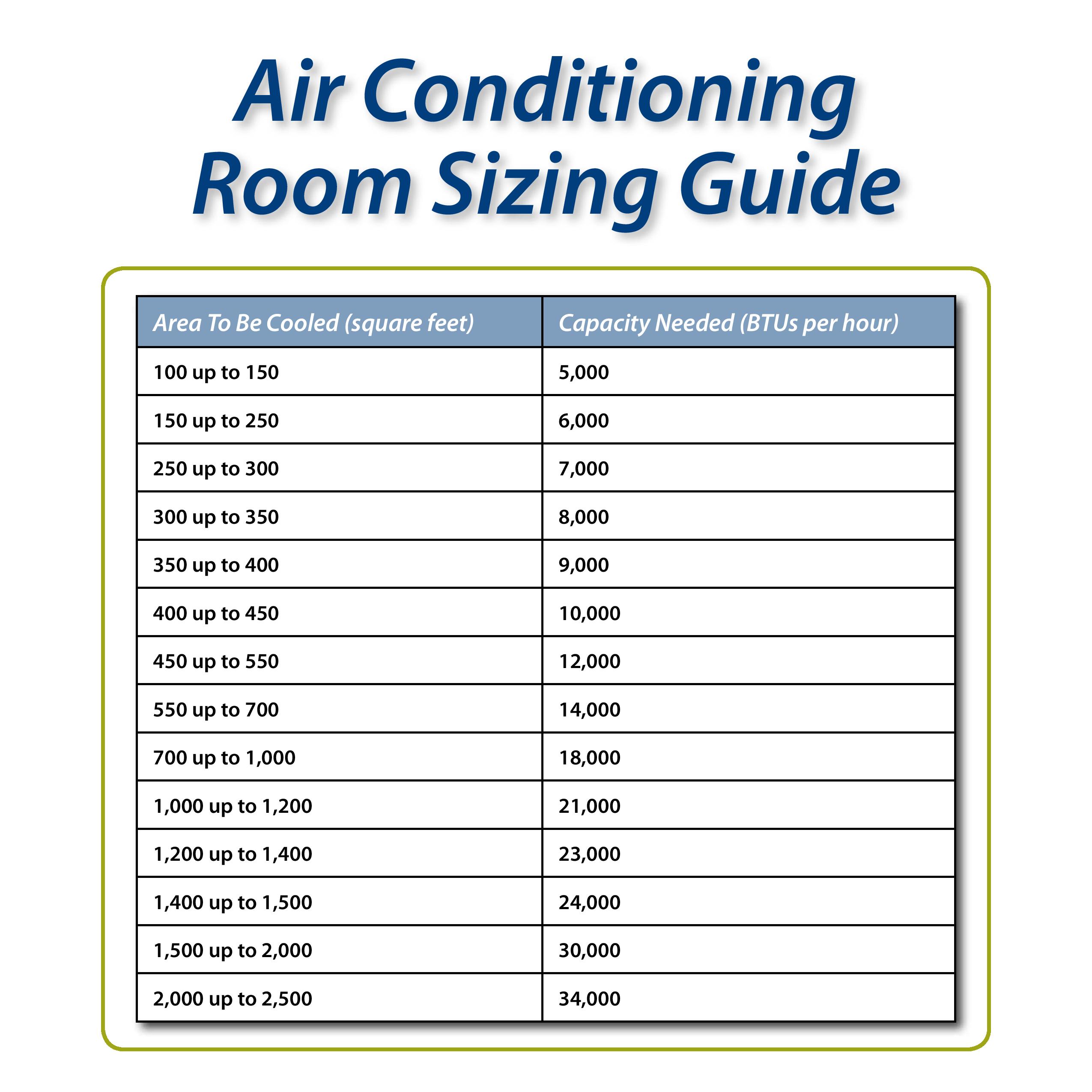
Think of it this way: one "ton" of AC is the amount of heat energy required to melt one ton (2,000 pounds) of ice in 24 hours. In fancy terms, that's 12,000 BTUs (British Thermal Units) per hour. So, when your HVAC technician talks about a "3-ton unit," they're really saying it can remove 36,000 BTUs of heat from your home every hour. Pretty cool, right? It’s like the horsepower of your cooling system, dictating how much muscle it has to beat the heat.
Must Read
So, For 1800 Square Feet... What's the Magic Number?
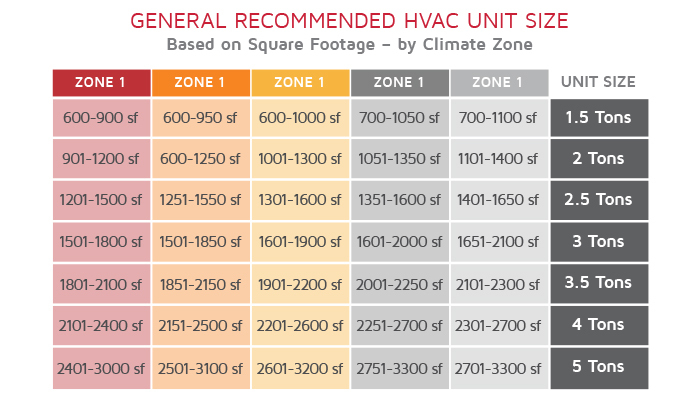
Alright, down to brass tacks. For an 1800 square foot home, a common rule of thumb often points towards an AC unit somewhere in the neighborhood of 3 to 3.5 tons. That’s a good starting point, like picking out a shirt size – it usually fits, but sometimes you need to try on a few to get it just right.
But here's where it gets a little like baking a perfect cake: you can't just follow one recipe for everyone. There are a bunch of ingredients that go into finding the perfect AC size for your specific 1800 sq ft slice of heaven. Ignoring these details is like trying to cool a polar bear with a hand fan if you live in Arizona, or buying a giant industrial freezer for a tiny studio apartment.
Why It's Not a Simple "One-Size-Fits-All" Answer (and why you should care!)
Let's dive into the fun stuff – the little quirks and features of your home that make all the difference. Understanding these isn't just for HVAC pros; it’s for you to enjoy maximum comfort and minimum utility bills!

Where Do You Live? (Climate Matters!)
Is your home sun-drenched in a desert climate like Phoenix, or is it enjoying the milder breezes of coastal California? A house in a perpetually hot and humid area will naturally need more cooling power than the exact same size house in a cooler region. It's like comparing the effort of making ice cream in a heatwave versus a chilly autumn day.
How Well Insulated is Your Home?
Imagine wearing a cozy, thick winter coat versus a flimsy t-shirt on a cold day. That's your insulation! A home with excellent insulation, good windows, and sealed air leaks holds onto its cool air like a squirrel holds onto its nuts. A leaky, poorly insulated home, on the other hand, is like trying to keep a sieve full of water – the cool air just slips away, making your AC work overtime and draining your wallet.
Windows, Windows Everywhere!
Are your windows big, beautiful, and facing the setting sun? Do you have single-pane glass from the 80s or modern, energy-efficient double-pane beauties? Lots of windows, especially those that catch a lot of direct sunlight, can act like little heat magnets, increasing the heat load your AC has to battle. If you've got giant picture windows without any shade, your AC will be working harder than a marathon runner.
Ceiling Height: More Air to Cool
Got those trendy high ceilings? While they look fantastic, they also mean there's more air volume to cool. An 1800 sq ft home with 10-foot ceilings has more cubic feet of air than an 1800 sq ft home with standard 8-foot ceilings. More air means more work for your AC. It’s simple physics, but often overlooked!
The "People & Gadgets" Factor
Are you a single person living alone, or do you have a bustling family of five, three gaming PCs, a giant TV, and an always-on espresso machine? Every person and every electronic device generates heat! A home filled with activity and gadgets will naturally need more cooling power than a quiet, less-occupied one. It's like having a big family reunion versus a quiet evening in; one definitely kicks up more heat!
Why Getting it Right is Your Comfort (and Wallet's!) Best Friend
Okay, so it's not a simple number. But why should you really care about getting the exact right size? This isn't just about technicalities; it's about your daily life, your comfort, and your hard-earned cash!
Say Goodbye to the Goldilocks Zone (Too Hot or Too Cold!)
An AC unit that's too small for your 1800 sq ft home will run constantly, struggling to reach your desired temperature. It'll be like asking a chihuahua to pull a full-grown horse cart – lots of effort, not much progress. You'll never quite feel truly comfortable, and your home will either be perpetually warm or take ages to cool down.
On the flip side, an AC unit that's too big isn't better! It might cool your home super fast, but then it cycles off quickly. This "short cycling" means it doesn't run long enough to effectively remove humidity from the air. The result? Your home feels cold but still clammy and damp. Nobody wants to live in a perpetual sauna, even if it's a cold one! Plus, short cycling is less efficient and puts more wear and tear on your unit.
Your Wallet Will Thank You (Seriously!)
Both an undersized and oversized AC unit lead to higher energy bills. An undersized unit runs non-stop, racking up costs. An oversized unit cycles on and off inefficiently, using more energy in bursts. The just-right size AC unit works efficiently, cycles appropriately, and cools your home without making your energy meter spin like a carnival ride. It's the Goldilocks AC that will save your wallet from a workout.

A Longer, Happier Life for Your AC
An AC unit that's properly sized for your 1800 sq ft home will operate within its intended parameters. It won't be constantly overstrained (too small) or switching on and off too frequently (too big). This means less wear and tear on its components, leading to fewer breakdowns and a significantly longer lifespan for your expensive investment. It’s like buying shoes that fit; they last longer and feel better!
The Bottom Line: Don't Guess, Get a Pro!
While the 3 to 3.5-ton range is a good starting point for an 1800 sq ft home, the absolute best way to determine the perfect AC tonnage for your specific home is to call in a professional HVAC technician. They'll perform a "load calculation" (sometimes called a Manual J calculation) that takes into account all those quirky factors we talked about: your climate, insulation, windows, ceiling height, and even the direction your house faces.
This isn't just about buying an appliance; it's about investing in your home's comfort, your energy efficiency, and the longevity of your cooling system. So, when it comes to keeping your 1800 sq ft space perfectly chill, trust the experts. Your future self (and your wallet!) will be incredibly grateful for the perfectly balanced breeze.