How Many Times To Give Dexolac
Let's talk baby food! Specifically, Dexolac. Figuring out how much and how often to feed your little one can feel like deciphering a secret code, especially when you're running on very little sleep. This isn't just about filling tiny tummies; it's about ensuring your baby gets the right nutrition at the right time to thrive. And that's why understanding Dexolac feeding guidelines is a topic worth exploring!
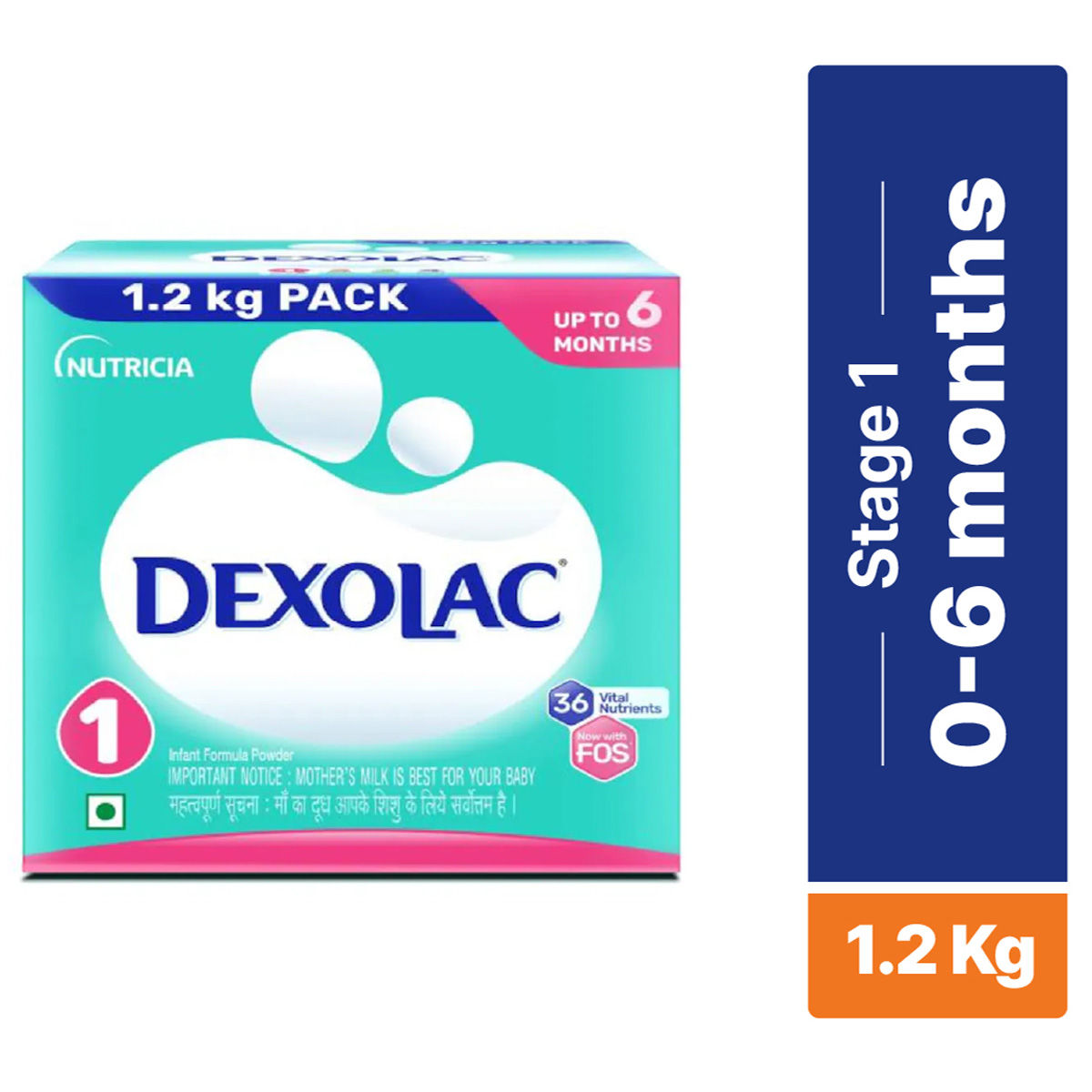
So, why Dexolac? Well, it's a popular choice for many parents because it's designed to provide essential nutrients when breastfeeding isn't possible or needs to be supplemented. It’s formulated to mimic the composition of breast milk as closely as possible, providing vitamins, minerals, and proteins vital for your baby's development. The primary purpose of using Dexolac is to provide a complete and balanced source of nutrition, supporting healthy growth, immune system development, and cognitive function.
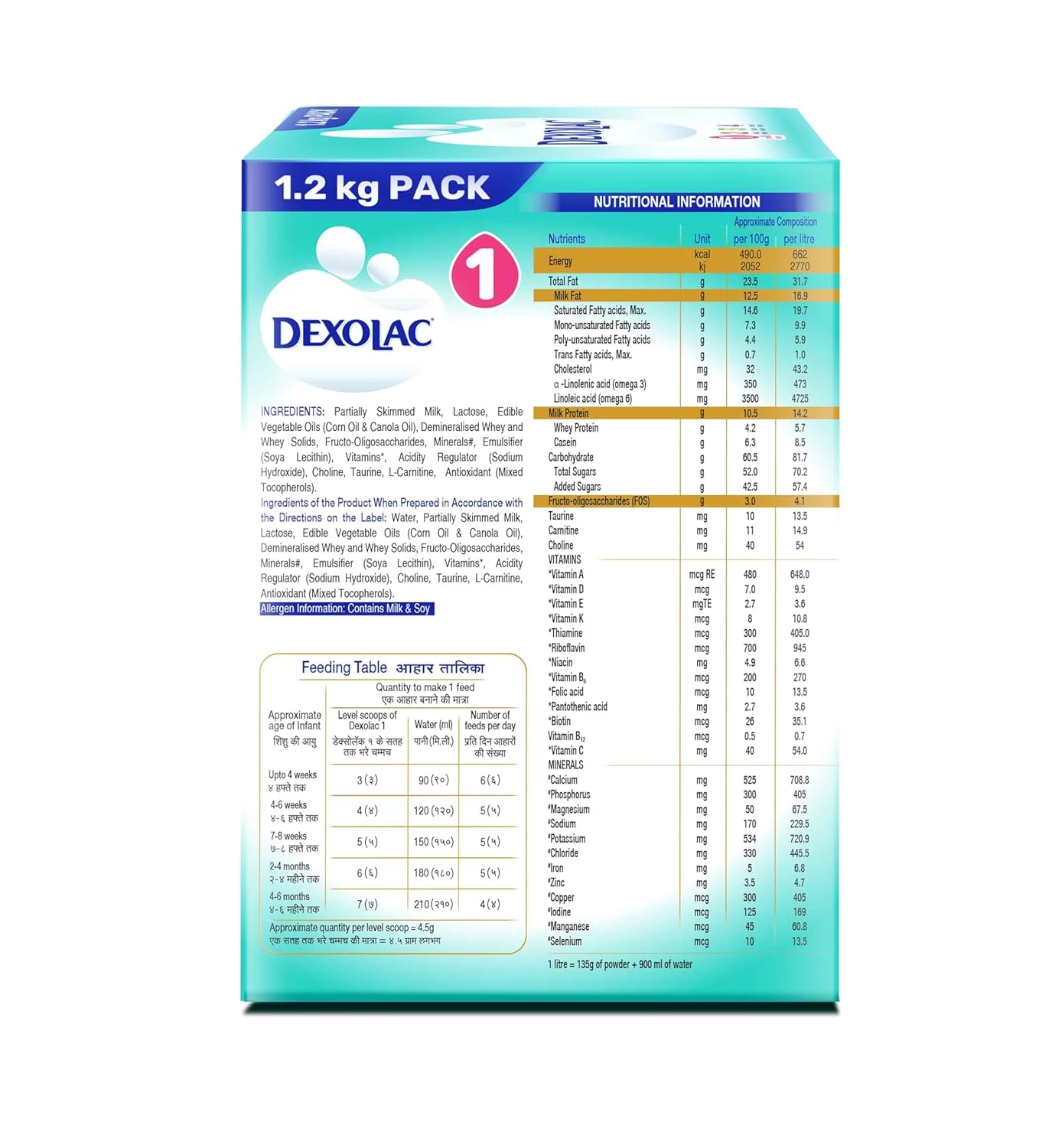
Now, for the big question: How many times should you give Dexolac? The answer isn't a one-size-fits-all, and it depends on several factors, including your baby's age, weight, and individual feeding needs. Generally, newborns (up to 1 month) typically feed every 2-3 hours, needing around 6-8 feeds per day. The amount per feed will be relatively small, usually starting with 60-90ml.
Must Read
As your baby grows, so will their appetite. Babies aged 1-3 months may need feeding every 3-4 hours, consuming around 120-180ml per feed. By the time they reach 3-6 months, they might only need 4-5 feeds a day, taking in larger quantities. Remember, these are just general guidelines. It's crucial to pay attention to your baby's cues. Are they showing signs of hunger, like rooting (turning their head and opening their mouth), sucking on their hands, or fussing?
Always follow the instructions on the Dexolac packaging for preparing the formula. Hygiene is paramount when preparing infant formula. Always sterilize bottles and teats properly before each use. Never microwave the formula, as this can create hot spots that could burn your baby. Prepare each feed fresh and discard any leftover formula after an hour.
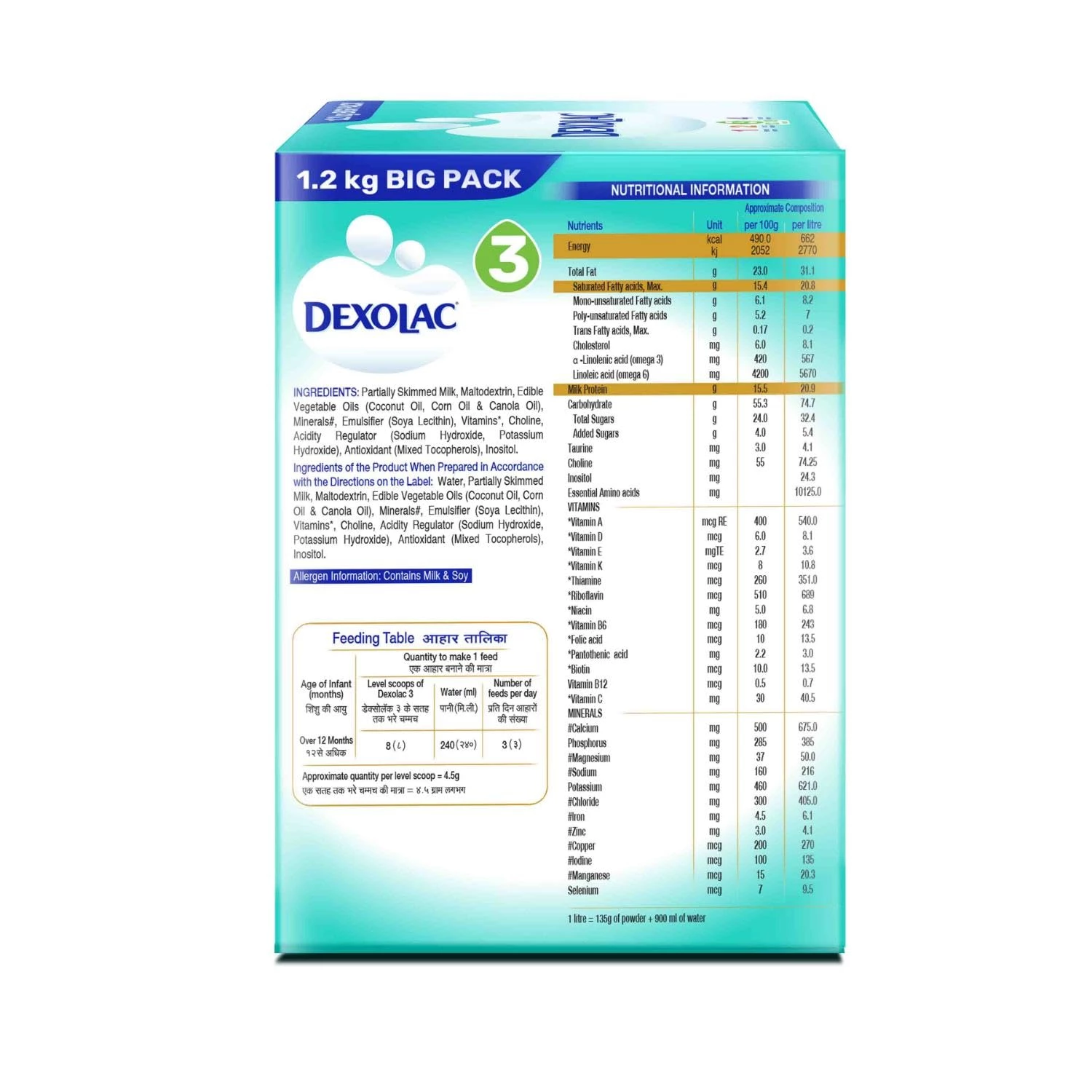
While Dexolac can be a lifesaver, it's always best to consult with your pediatrician or a healthcare professional. They can assess your baby's individual needs and provide personalized recommendations on feeding frequency and amount. They can also help you troubleshoot any feeding issues or concerns you might have. Remember, the goal is to ensure your baby is healthy, happy, and growing at a healthy pace. Don’t hesitate to seek professional advice!
Ultimately, trusting your instincts as a parent is key. You know your baby best. Observe their cues, follow the guidelines, and work with your healthcare provider to create a feeding plan that works for both you and your little one. Happy feeding!