How Many Times A Day Should You Water Your Garden

Okay, let's talk watering, shall we? It’s the lifeblood of your garden, the elixir that turns tiny seeds into sprawling tomato jungles and sad-looking sprouts into blossoming beauties. But how much is enough? And more importantly, how often? Don't sweat it! We're not aiming for a Nobel Prize in hydration here, just a happy, thriving garden. So, how many times a day should you water your garden? Well, buckle up, because the answer, as with most things gardening, is a delightfully vague… it depends!
The Great Hydration Debate: One Size Doesn't Fit All
Think of watering like feeding yourself. You wouldn’t eat three massive steaks a day, every day, regardless of whether you'd run a marathon or spent the day on the couch, right? Plants are similar! Their needs vary. Factors like climate, soil type, and what you’re actually growing all play a HUGE role.
Are you living in a desert where the sun beats down relentlessly? Then, yeah, you might need to water more often. Do you live in a perpetually drizzly climate? Less so. Is your soil sandy and drains like a sieve? Frequent watering is likely a must. Or is it heavy clay that holds water like a grumpy camel? Then you need to be careful of overwatering. It's all about finding that sweet spot.
Must Read
Decoding the Signals: Listening to Your Plants
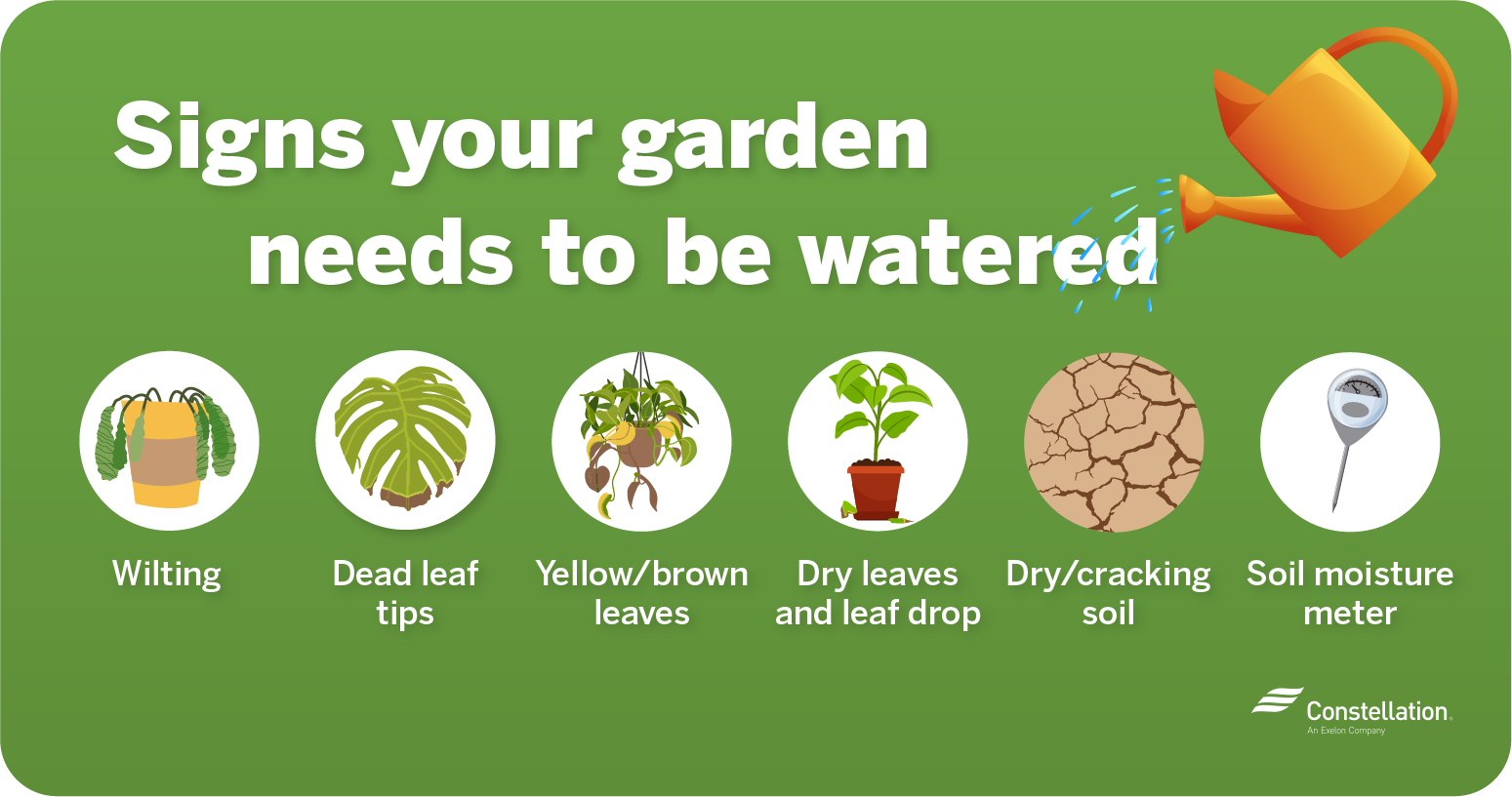
The best way to figure out your garden's watering needs isn't by following a strict timetable, but by paying attention. Your plants are surprisingly vocal, if you know how to listen. Look for signs of dehydration! Drooping leaves are the classic signal, but also watch out for leaves that are wilting or curling. The soil surface will likely be dry and cracked, too. You can also stick your finger about an inch or two into the soil. If it feels dry, it’s watering time!
But what about overwatering? That's a problem too! Think of it like drowning your plants in kindness. Signs of overwatering include yellowing leaves, soft, mushy stems, and even mold growing on the soil surface. Plus, overwatered plants become much more susceptible to root rot, which is a major garden buzzkill.
Soil: The Foundation of Watering Wisdom
Let's talk soil. This is where the water actually goes, right? So understanding your soil is key. Sandy soil is like that friend who can’t hold onto a secret. It drains super fast. Clay soil, on the other hand, is the friend who holds onto everything...sometimes a little too much. It retains water well, but can easily become waterlogged.
Loamy soil is the goldilocks of soil types. It's a balanced mix of sand, silt, and clay, and it drains well while still retaining enough moisture for plants. If you're not sure what kind of soil you have, you can do a simple jar test. Put some soil in a jar, add water, shake it up, and let it settle. You'll see the different layers and get a better idea of your soil composition. This will make your watering decisions so much easier!
The Watering Lowdown: General Guidelines (with a Grain of Salt!)
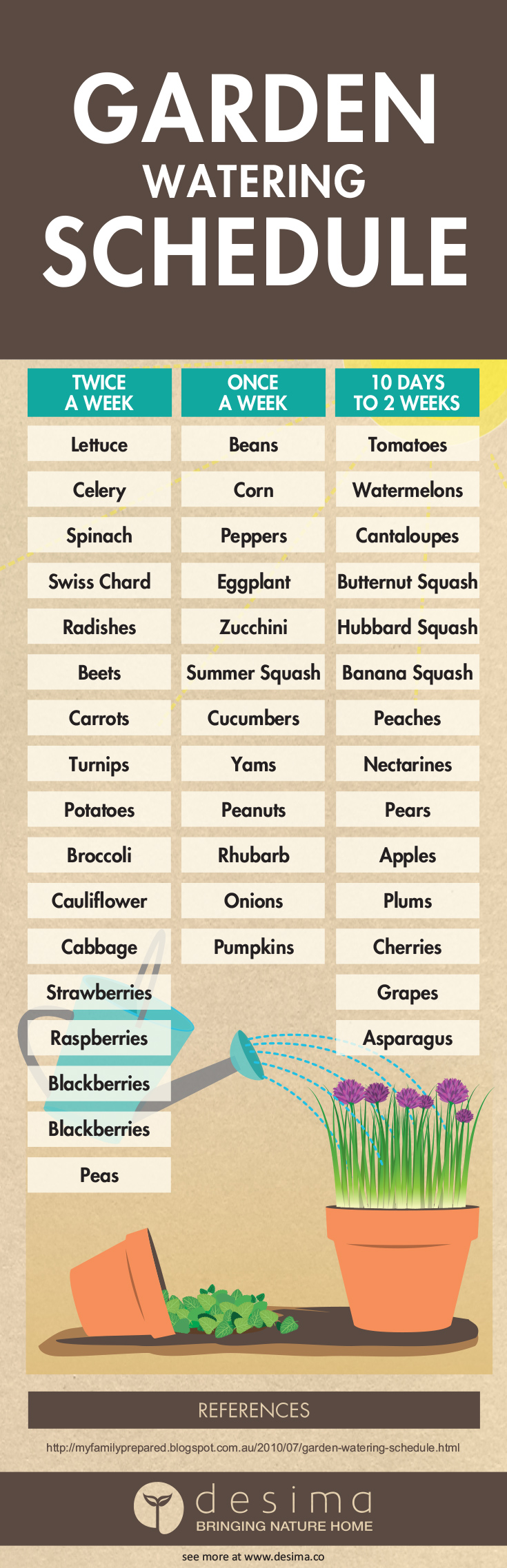
Okay, so after all that "it depends" talk, are there any general guidelines? Sort of! Most established plants benefit from a good, deep watering every few days, rather than a light sprinkle every day. Think of it like giving your plants a long, refreshing drink, rather than just a quick sip. This encourages deep root growth, which makes your plants more resilient.
However, seedlings and newly planted plants are the exception. They have shallow roots and need more frequent watering to get established. So, for them, a light watering once or twice a day might be necessary, especially in hot weather.
Timing is Everything: When to Water for Maximum Impact
The time of day you water also matters. The best time to water is early in the morning. Why? Because the water has time to soak into the soil before the sun starts beating down and evaporating it all away. Plus, wet leaves overnight can create a breeding ground for fungal diseases, so avoid watering in the evening.

If you absolutely have to water later in the day, aim for early evening, giving the leaves a chance to dry before nightfall. Think of it like this: you wouldn’t want to go to bed soaking wet, would you?
Watering Tools: From Humble Hose to High-Tech Irrigation
Finally, let’s chat about tools. A simple watering can or hose with a gentle shower head works great for small gardens. For larger gardens, consider using a soaker hose or drip irrigation system. These deliver water directly to the roots, minimizing evaporation and water waste. It's like giving your plants a personalized spa treatment! They are super efficient and can save you a lot of time and effort in the long run.
So, there you have it! Watering isn't an exact science, but with a little observation, some understanding of your soil, and a willingness to experiment, you'll be a hydration master in no time. Don't be afraid to get your hands dirty and learn what works best for your garden. Happy growing!