
How Many Sump Pumps Do I Need

Ever woken up to the sound of torrential rain and felt that little knot of dread in your stomach? You know, the one that whispers, "Is my basement going to become an indoor swimming pool?" If you've got a basement, especially one that's finished and full of precious memories (or just a really comfy couch), you've probably thought about your sump pump. It’s like the unsung hero of your home, diligently working away in a dark corner, keeping the watery apocalypse at bay.
But here's a curious question that pops into many homeowners' minds: how many of these subterranean guardians do I actually need? Is one enough? Do I need a dynamic duo? Or should I go all-in with a whole squad of them? Let's dive into the wonderfully watery world of sump pumps and figure out what might be best for your abode.
The Lone Wolf: When One Sump Pump Is Just Right
For many homes, especially those built on relatively dry land or with excellent natural drainage, a single, properly installed sump pump is perfectly adequate. Think of it as your primary defender, standing ready to whisk away any groundwater that dares to intrude into its pit. It’s efficient, effective, and often all you require for that sweet, sweet peace of mind.
Must Read
When your house isn't particularly prone to heavy water intrusion, or you live in an area with a lower water table, one well-maintained sump pump can handle the job beautifully. It's like having a reliable, strong bouncer for your basement door – one is usually enough to keep the unwanted guests (water, in this case) out.
Enter the Backup: Why Two Sump Pumps Can Be a Superpower
Now, this is where things get really interesting, and for many, a second sump pump isn't just a luxury; it's a smart investment. Why would you need two? Well, imagine your primary sump pump suddenly decides to take an unscheduled coffee break during the biggest downpour of the year. Or, perhaps even worse, the power goes out! That's when your backup swoops in like a superhero.

The most common scenario for a second pump is a battery-backup sump pump. This trusty sidekick kicks into action if your main pump loses power, ensuring your basement stays dry even during an outage. It's like having a generator for your water removal system – totally essential when the lights go out. You’re effectively saying, "Nice try, Mother Nature, but I've got a plan B!"
Another reason for two might be a secondary AC-powered pump. This isn't for power outages, but rather for when your primary pump experiences a mechanical failure or simply can't keep up with an overwhelming amount of water. It's like having a relief pitcher ready to step in when the starting pitcher is having an off day. It provides an extra layer of protection, especially if your basement is finished and packed with valuables.

Beyond the Duo: When More Might Be Necessary
Okay, so we've covered one and two. But what about three, or even more? For most residential homes, honestly, it's pretty rare to need more than two sump pumps. However, there are a few niche situations where a triple threat, or even a squad, might make sense.
If you have an exceptionally large basement, perhaps one that spans a massive footprint or has multiple disconnected sections, you might need primary pumps in different locations. Think of it like trying to mop a gigantic basketball court with one small mop – you'd need a few more to cover the whole area effectively and efficiently. These might function as independent primary pumps in their own pits, each tackling a specific zone.
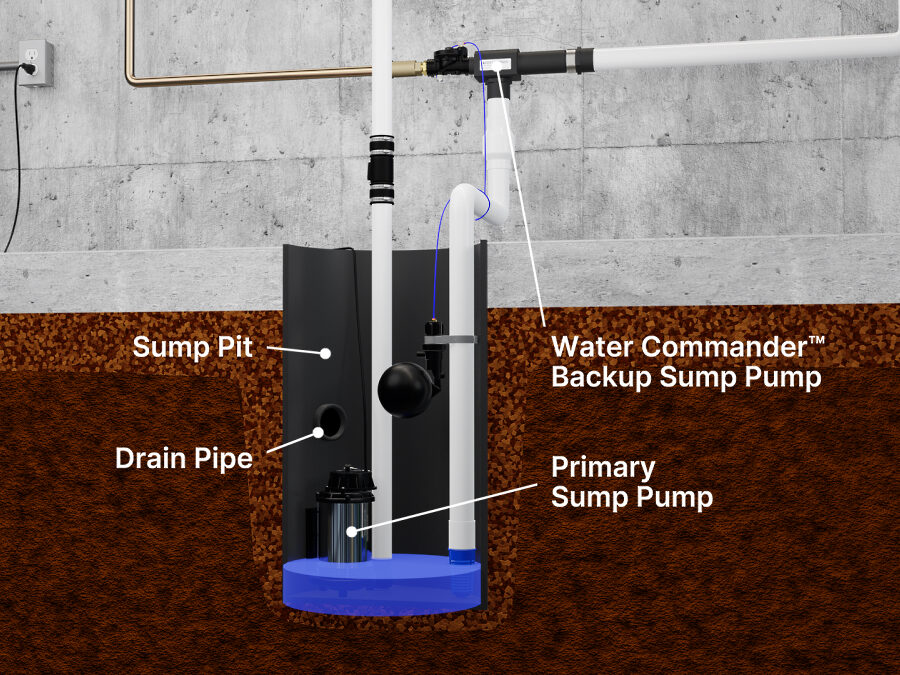
Similarly, if your property is in an area with an extremely high water table, constant flooding issues, or unique geological challenges that create multiple points of water entry, consulting with a professional might reveal a need for more comprehensive, multi-pump solutions. But for the average homeowner, a robust primary and a reliable backup system are usually the sweet spot.
What Factors Should You Ponder?
Deciding on the right number of sump pumps isn't a one-size-fits-all kind of deal. It's like choosing the right shoes for a hike – depends on the terrain! Here are some curious questions to ask yourself:
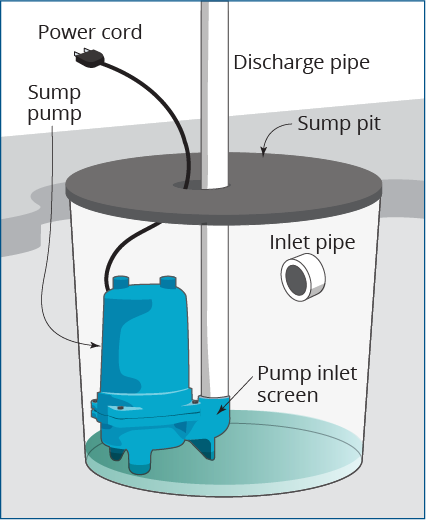
- Basement Size & Layout: Is it a cozy nook or a sprawling subterranean manor? A vast, L-shaped, or heavily partitioned basement might benefit from more than one pump, strategically placed.
- Water Infiltration History: Has your basement ever played host to an unwelcome indoor puddle party? Past experience is a strong indicator of future risk.
- Local Climate & Geography: Do you live in a rainy region? Is your house at the bottom of a hill? Is the soil around your home particularly permeable? These factors can significantly impact groundwater levels.
- Finished vs. Unfinished Basement: A finished basement with drywall, flooring, and furniture represents a much higher potential loss than an unfinished concrete space. The stakes are higher, so the protection should be too!
- Your Personal Risk Tolerance: How much sleep are you willing to lose during a big storm? For some, the peace of mind offered by a backup system is priceless.
Don't Guess, Get an Expert Opinion!
While it's fun to speculate about pumps and pits, the absolute best way to determine how many sump pumps you need is to consult with a qualified plumbing or waterproofing professional. They can assess your home's unique situation, including your water table, soil type, existing drainage, and basement vulnerabilities. They'll give you tailored advice, helping you make an informed decision that saves you headaches (and potential damage) down the line.
Ultimately, it's all about protecting your home and your cherished belongings from the unwelcome intrusion of water. Whether it's a single, diligent pump or a formidable duo, knowing your basement is safe from potential flooding allows you to truly relax, even when the heavens open. So, next time it rains, you can actually enjoy the sound, knowing your basement is safe and sound.