
How Many Square Feet Will A 1500 Watt Heater Heat

Okay, let's talk about heaters! Not the boring, dusty kind you find lurking in the back of a closet. We're talking about the warm, cozy, "let's-binge-watch-movies-all-day" kind of heat. And specifically, we're zeroing in on 1500-watt heaters. But first, who doesn't love saving a few bucks on the utility bill? A portable heater is a great way to only heat the room you're in, and not the whole house!
So, you're probably wondering, how much space can one of these little powerhouses actually warm up? It's a great question! After all, nobody wants to be stuck shivering in a chilly room, even with a heater humming away in the corner. (Trust me, been there, done that!)
The Square Footage Sweet Spot
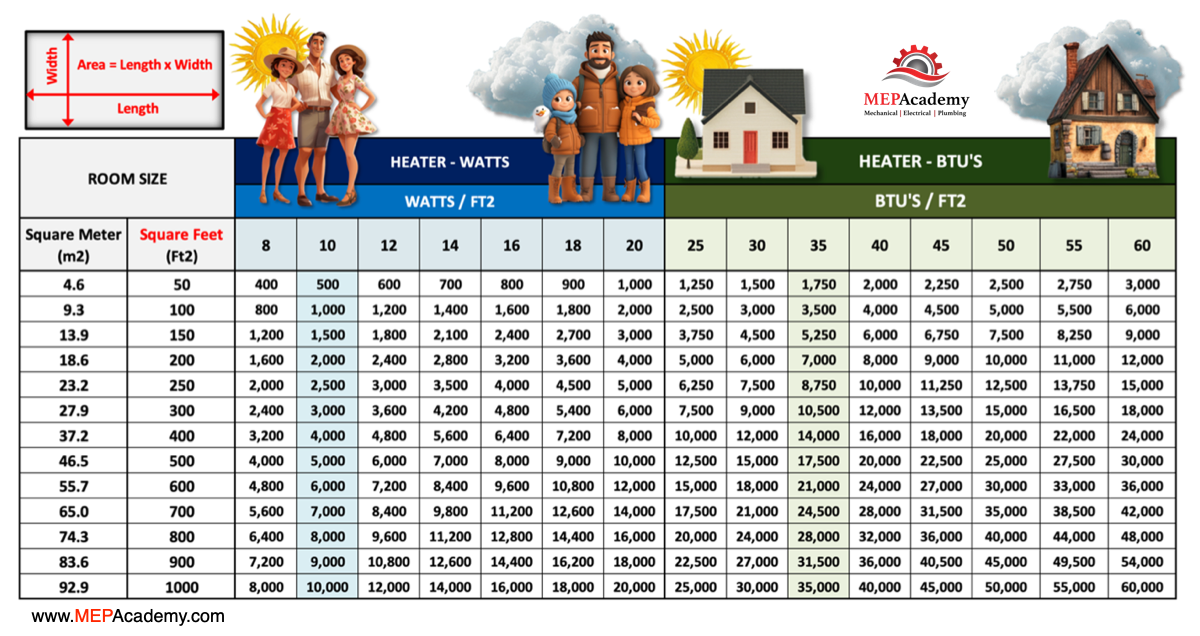
Alright, let's get down to brass tacks. A 1500-watt heater is generally capable of heating a space of around 150-250 square feet. Now, before you start mentally measuring your living room, let's add a little asterisk to that number.
Must Read
Think of it like baking a cake. You have the recipe (the wattage), but the ingredients (the room's insulation, climate, etc.) can affect the final result. Did you know that the amount of insulation in your home is a major factor in determining how effective a space heater will be? And the amount of windows can make a big difference too!
Factors That Affect the Heat
Here’s where things get interesting. Several factors play a role in how effectively a 1500-watt heater warms your space:

- Insulation: A well-insulated room will retain heat much better than a poorly insulated one. Think of it like this: good insulation is like wrapping your room in a cozy blanket.
- Climate: If you live in Alaska, your heater is going to have to work a lot harder than if you live in sunny California (sorry, Alaskans!). The colder the outside temperature, the more heat you'll need to generate.
- Ceiling Height: Rooms with high ceilings require more energy to heat because, well, there's just more space to fill. It's simple physics, really!
- Windows and Doors: Drafty windows and doors are heat's worst enemy. Seal them up with weather stripping or caulk to prevent heat loss.
Essentially, you want to minimize heat loss as much as possible to maximize the effectiveness of your heater. Think of it like trying to fill a bucket with a hole in it – you'll need to work harder (or get a bigger bucket!).
Choosing the Right Heater
Now, let's talk about heater types. There are a few different kinds of 1500-watt heaters out there, each with its own strengths:

- Ceramic Heaters: These are known for their efficiency and safety features. They heat up quickly and often have tip-over shut-off switches.
- Oil-Filled Radiators: These heaters take a bit longer to heat up, but they provide a more consistent and gentle heat. They're also very quiet.
- Infrared Heaters: These heaters directly heat objects and people in their path, making them great for targeted heating.
Consider the size and layout of your room, as well as your personal preferences, when choosing a heater. Do you want quick, targeted heat, or a more gradual, ambient warmth? The choice is yours!
Tips for Maximizing Your Heater's Efficiency
Want to get the most bang for your buck (or, in this case, watt)? Here are a few tips to help you maximize your heater's efficiency:

- Close the Door: Obvious, but crucial. Keeping the door closed to the room you're heating will prevent heat from escaping to other areas of the house.
- Use a Programmable Thermostat: Set the thermostat to a comfortable temperature and let the heater do its thing. Avoid constantly adjusting the temperature, as this can waste energy.
- Position the Heater Strategically: Place the heater in a central location in the room, away from furniture or curtains that could block the airflow.
- Supplement with a Fan: A small fan can help circulate the warm air throughout the room, making the heater more effective.
Remember, a little bit of planning can go a long way in making your heating experience more comfortable and efficient. So there you have it! All you need to do is follow these easy tips, and you'll be saving money in no time.
Disclaimer: Always follow the manufacturer's instructions and safety precautions when using a space heater. Never leave a heater unattended, and keep it away from flammable materials.
The Takeaway
So, to recap: a 1500-watt heater can generally heat 150-250 square feet, but factors like insulation, climate, and ceiling height can affect its performance. Choose the right type of heater for your needs, and follow these tips to maximize its efficiency. Now get out there and find the perfect space heater!
The world of home heating might seem mundane, but understanding these simple concepts can empower you to create a more comfortable and efficient living space. And who knows? Maybe you'll become a heating expert, dispensing wisdom to all your friends and family. Think of all the fun you can have impressing your friends and family with your knowledge of thermodynamics!
Feeling inspired? There's a whole world of energy efficiency and home comfort waiting to be explored! Dive deeper into insulation techniques, explore smart thermostat options, and discover the joys of a perfectly heated space. Learning is a lifelong adventure, and every little bit of knowledge can make your life a little bit warmer (literally!).