
How Many Sq Ft Per Ton Of Ac

Ah, summer! The golden sun, the long days, the… unyielding heat that can turn your cozy abode into a sauna. We’ve all been there, dreaming of that sweet, sweet escape to a perfectly chilled room. But have you ever paused to wonder about the mysterious force that brings you this glorious relief? We're talking about your air conditioner, of course, and specifically, that often-confusing unit of measurement: the ton.
Sounds like something out of a physics class, right? Or perhaps a measurement for a very large elephant? Fear not! We're here to demystify the "ton of AC" and help you understand how much cooling power your castle truly needs. Get ready to turn down the heat and crank up your knowledge!
What's a "Ton" of AC Anyway?
Before we dive into square footage, let's clear up what a "ton" of AC actually means. Historically, it literally referred to the amount of heat required to melt one ton of ice in 24 hours. Pretty cool, huh? (Pun absolutely intended.)
Must Read
In modern terms, a ton of air conditioning is a measure of its cooling capacity. One ton is equivalent to removing 12,000 British Thermal Units (BTUs) of heat per hour. So, a 3-ton AC unit can remove 36,000 BTUs of heat every hour from your home. It’s all about heat extraction, making your space delightfully less toasty.
The Golden Rule of Thumb: Sq Ft Per Ton
Okay, now for the million-dollar question: "How many square feet can one ton of AC cool?"
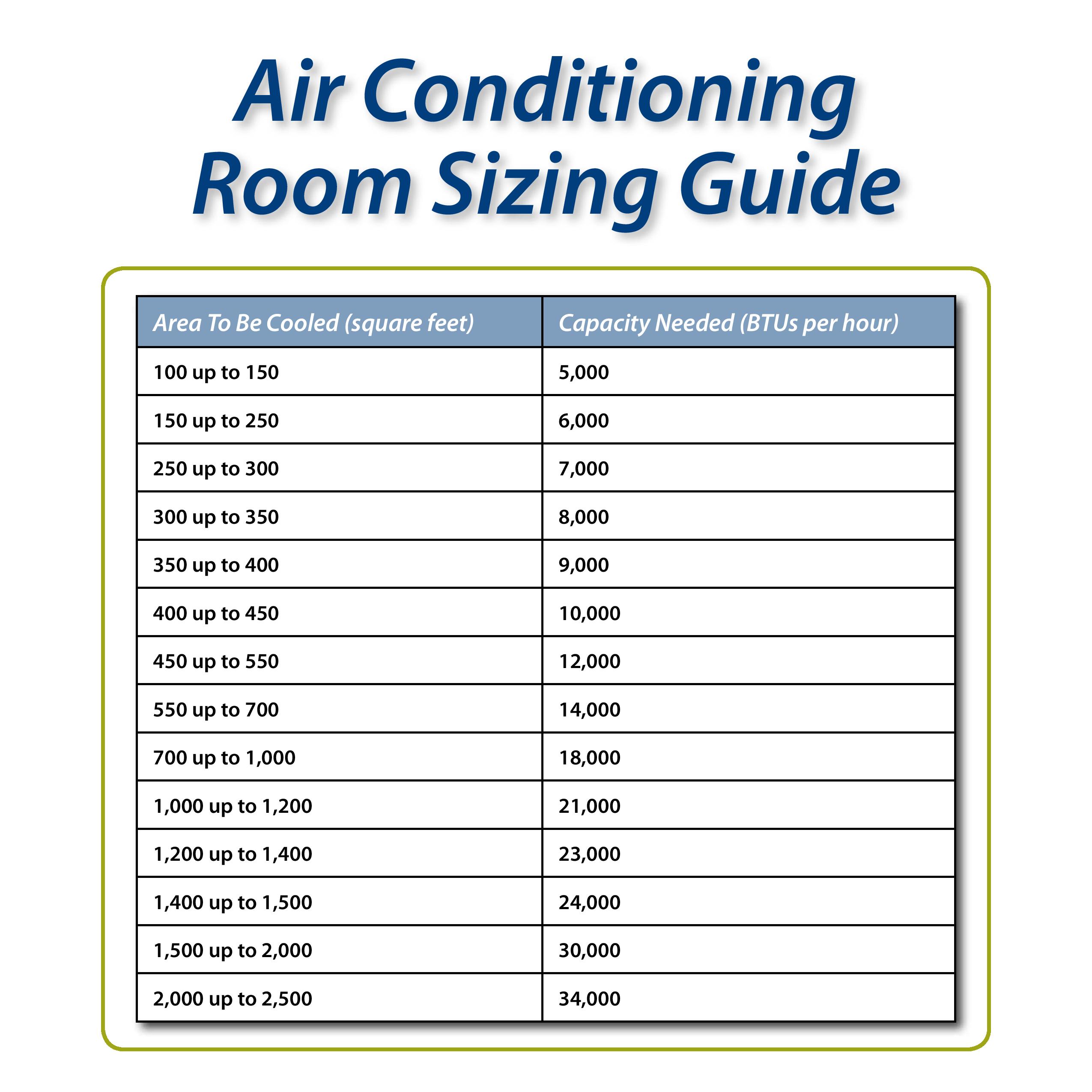
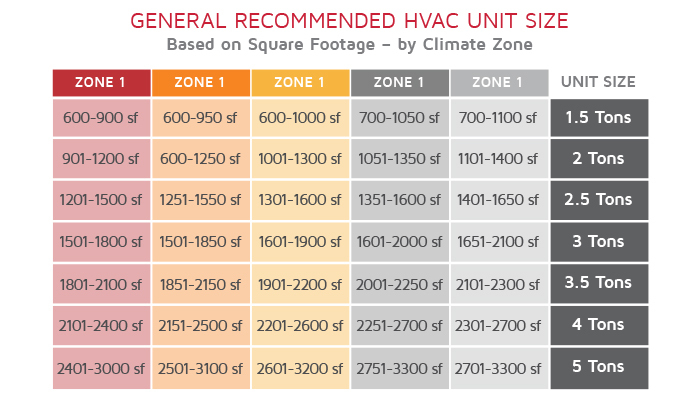
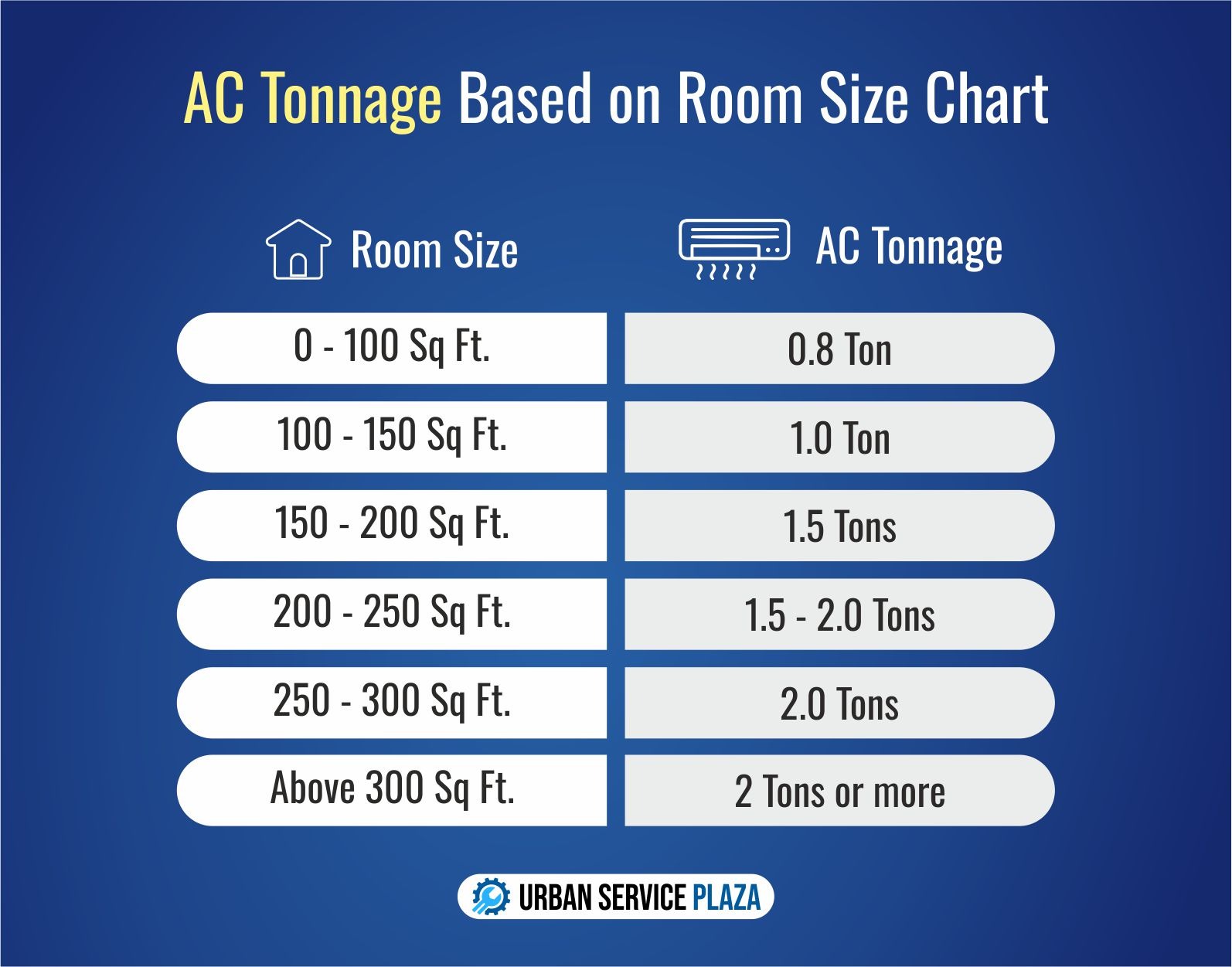
As a very general starting point, most experts suggest that one ton of air conditioning can effectively cool roughly 400 to 600 square feet of living space. So, if you have a 2,000 sq ft home, you might initially think a 3 to 5-ton unit would be appropriate.
Hold your horses, though! This is a highly simplified guideline, and applying it blindly can lead to a less-than-ideal cooling situation. Think of it like guessing how much coffee to make – you need more info than just "how many people."

Factors That Flex the Numbers
Your home is as unique as you are, and several elements play a huge role in determining the actual AC tonnage required. It's not just about the footprint!
- Climate Zone: Living in the scorching Arizona desert is vastly different from the mild, foggy coast of San Francisco. A hotter climate demands more cooling power per square foot.
- Insulation Nation: Is your home a cozy, well-insulated haven or a sieve leaking precious cool air? Good insulation means your AC won’t have to work nearly as hard.
- Window Wisdom: The size, type, and number of windows, especially those facing direct sunlight (hello, south and west-facing!), are huge heat magnets. Quality windows and coverings make a big difference.
- Ceiling Heights: Taller ceilings mean more air volume to cool, requiring greater capacity. Those stunning vaulted ceilings are beautiful, but they can be AC hogs!
- Occupancy & Activity: More people generate more body heat. (Fun fact: a resting human body puts out heat roughly equivalent to a 100-watt light bulb!) A busy kitchen full of appliances also contributes significant heat.
- Home Orientation: Does your home bake in the sun all day, or is it shaded by trees and other buildings?
- Ductwork Integrity: Leaky ducts can be a major source of energy loss and inefficiency, no matter how perfectly sized your unit is.
The Perils of Getting It Wrong
You might think, "More is better, right?" Not always with AC! An oversized unit will "short-cycle" – turn on, cool the space too quickly, and then shut off, only to repeat the process. This leads to:
- Poor dehumidification: You'll feel cold and clammy.
- Higher energy bills: Constant starting and stopping uses more power.
- Increased wear and tear: Shorter lifespan for your unit.
Conversely, an undersized unit will run constantly, struggling to reach your desired temperature, leaving you feeling sticky and frustrated, and driving up your energy consumption because it's always working overtime.
The Smart Move: Call a Pro!
Given all these variables, the absolute best way to determine the right AC tonnage for your home is to consult a qualified HVAC professional. They perform what's known as a "Manual J" load calculation. This isn't just a guess; it's a detailed analysis considering all the factors unique to your home.
Investing in a proper assessment might cost a little upfront, but it pays dividends in comfort, energy efficiency, and the longevity of your system. Think of it as tailoring a suit – you wouldn’t buy off the rack without knowing your size, would you?
A Final Thought on Comfort
Understanding "how many sq ft per ton of AC" is more than just a technical detail; it’s about crafting your ideal living environment. It's about waking up refreshed, enjoying family dinners without breaking a sweat, and having a cool sanctuary to retreat to after a long day.
In our busy lives, taking a moment to ensure our homes are efficient and comfortable is a small but mighty act of self-care. Because when your home feels right, everything else just feels a little bit better, doesn't it? So, do your homework, or better yet, let the pros do it, and enjoy your perfectly chilled oasis!