How Many Solar Panels To Run Air Conditioner

Ah, air conditioning. That glorious hum that banishes the sweltering heat and transforms your home into a cool, comfortable oasis. Whether you're escaping the summer's oppressive humidity, battling seasonal allergies, or simply prefer a consistently pleasant indoor temperature, air conditioning has become an essential part of modern life for many. But as much as we love the chill, the cost of running these power-hungry appliances can sometimes leave us feeling a little less cool and collected. Enter: solar power, the sun-kissed solution that's gaining popularity for its potential to offset those energy bills.
The benefits of using solar panels to power your air conditioner are twofold. Firstly, it's a fantastic way to reduce your carbon footprint. By relying on the sun's energy instead of fossil fuels, you're contributing to a cleaner, greener planet. Secondly, and perhaps more appealing to your wallet, it can significantly lower your electricity bills. Imagine enjoying that icy blast of air conditioning without the guilt of watching your energy meter spin wildly! Solar energy is increasingly becoming a sustainable alternative to traditional forms of energy.
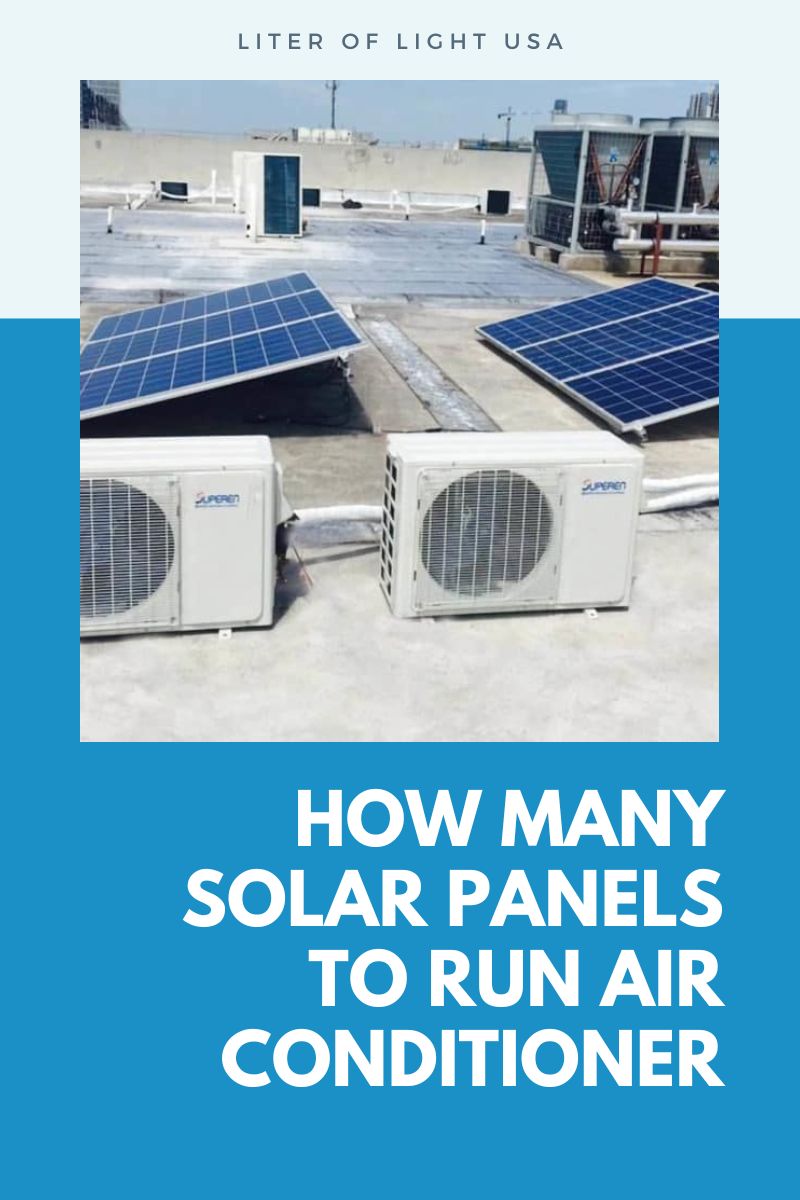
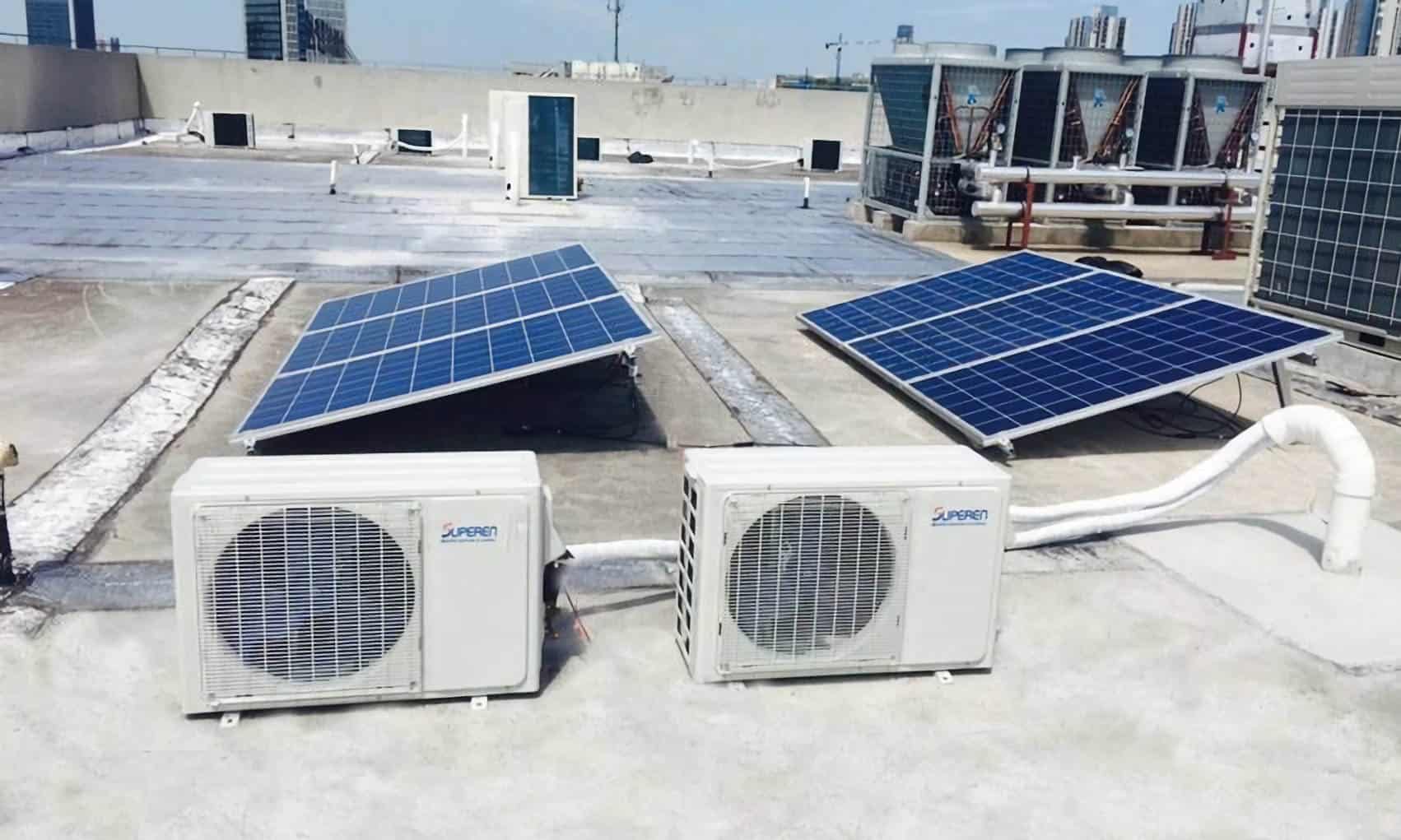
You see solar panels used in various ways to power air conditioners. Some homeowners install enough panels to completely offset their air conditioning usage, effectively running it for free during sunny hours. Others choose a partial offset, using solar power to supplement their grid electricity and reduce their bills. Then there are those who opt for solar-powered air conditioners, which are specifically designed to operate directly from solar energy, often utilizing DC power and eliminating the need for an inverter.
Must Read
So, how many solar panels do you need to actually run your air conditioner? Unfortunately, there's no one-size-fits-all answer. The number depends on several key factors. The size and energy efficiency of your air conditioner are primary considerations. A smaller, more efficient unit will require fewer panels than a larger, older model. Next, consider your local climate and sunlight hours. Areas with abundant sunshine will naturally generate more power from solar panels than regions with frequent cloud cover. Also important is the wattage of your solar panels. Higher wattage panels will produce more electricity per panel, requiring fewer overall. Finally, the orientation and angle of your solar panel installation play a crucial role in maximizing energy production.
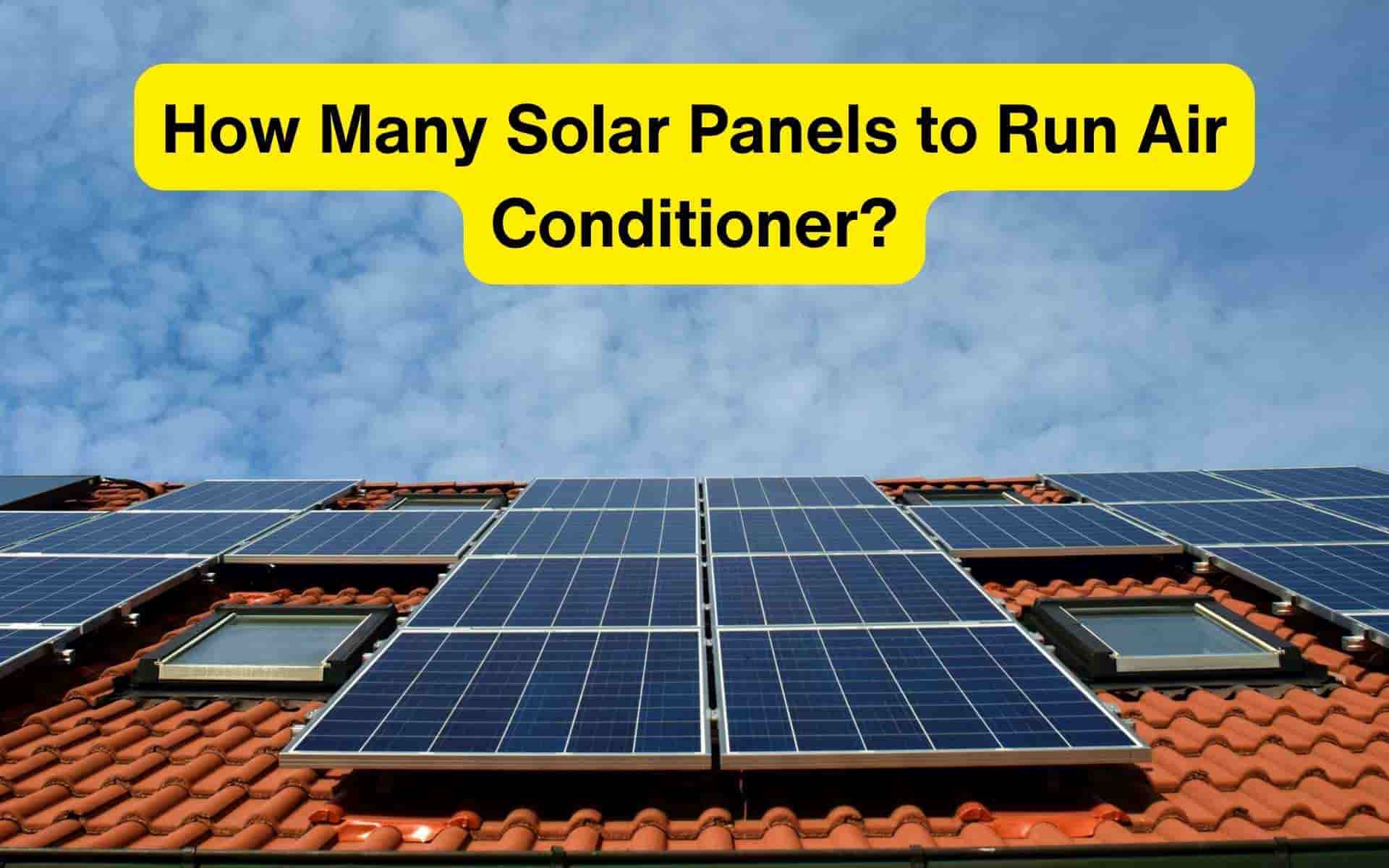
Here are a few practical tips to enjoy solar-powered air conditioning more effectively:
- Conduct an energy audit: Understand your air conditioner's energy consumption and identify ways to improve its efficiency.
- Size your solar panel system correctly: Consult with a qualified solar installer to determine the optimal system size based on your energy needs and local conditions.
- Consider energy storage: If you want to run your air conditioner at night or on cloudy days, you'll need a battery system to store excess solar energy.
- Maintain your solar panels: Regularly clean your panels to ensure optimal sunlight absorption.
- Choose an energy-efficient air conditioner: When it's time to replace your old unit, opt for a high-efficiency model with a good SEER (Seasonal Energy Efficiency Ratio) rating. This will minimize the number of solar panels required.
By taking these steps, you can enjoy the cool comfort of air conditioning while reducing your environmental impact and saving money on your energy bills. Embrace the power of the sun and say hello to a cooler, greener, and more affordable future!