
How Many Solar Panels Needed To Power A House
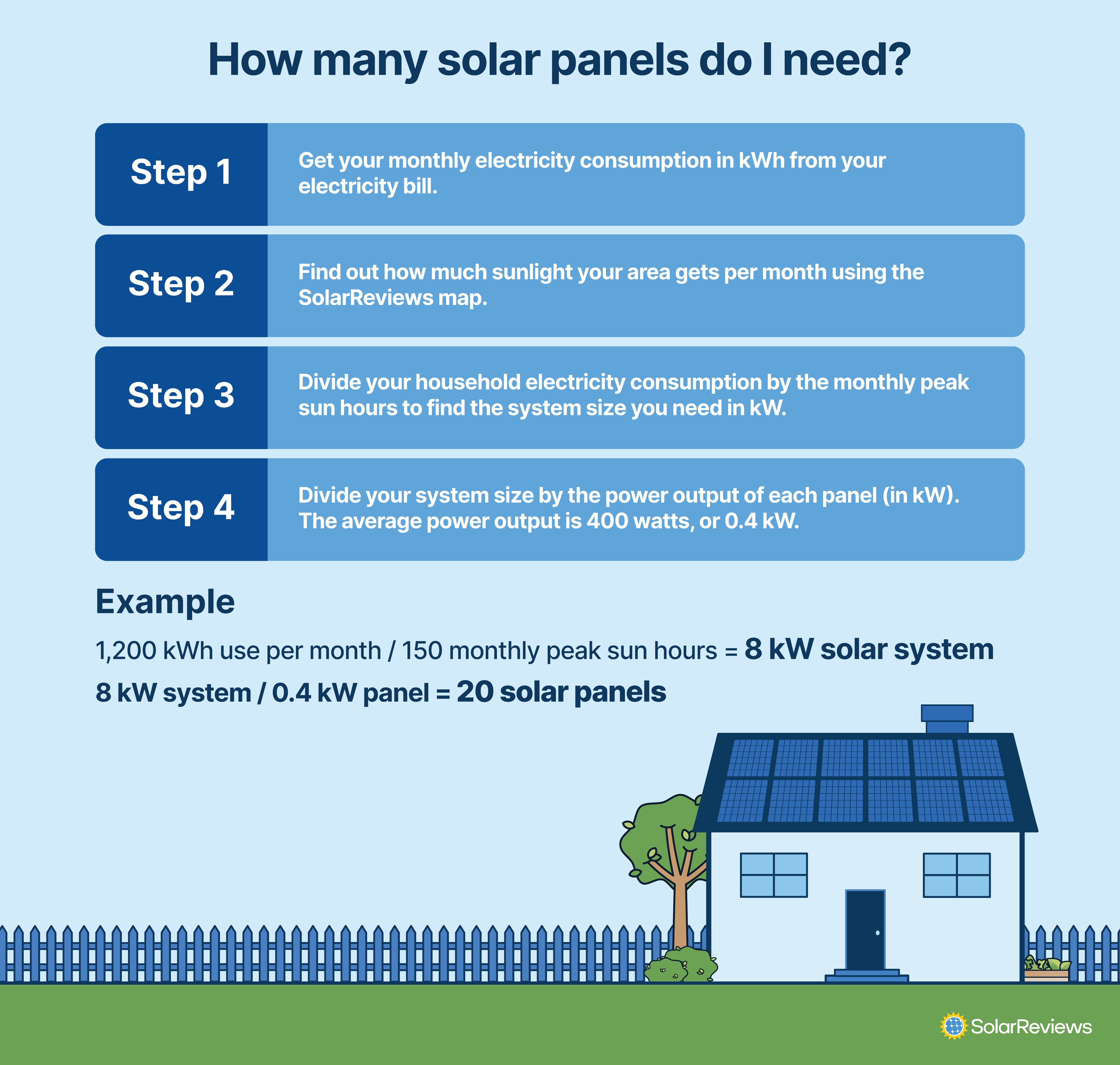
Okay, let's talk sunshine and savings! Ever wondered how many of those sleek, futuristic rectangles it would take to ditch the electric company and become your own pocket-sized power plant? We're talking about solar panels, of course! And while the answer isn't as simple as "add water and stir," it's a surprisingly fun journey to explore.
First, forget about the image of some mad scientist with a calculator glued to their face. This isn't rocket surgery (though, ironically, some rocket scientists probably work with solar panels!). Think of it more like figuring out how many cupcakes you need for a party. You wouldn't just blindly grab a dozen, would you? You'd consider how many people are coming and how many cupcakes each person might devour (especially if Uncle Barry is invited!).
So, what's our "guest list" in this solar panel party? It's your home's energy consumption. The more energy your household guzzles, the more solar panels you'll need to tame that electric beast. An average American home, for instance, uses around 897 kWh (kilowatt-hours) per month. That's a lot of Netflix binges, hairdryer sessions, and fridge humming!
Must Read
The Panel Puzzle: Pieces You Need
Think of each solar panel as a worker bee. They tirelessly convert sunlight into usable electricity. Now, worker bees come in different sizes and work ethics. Some are super-efficient and produce a lot of power, while others are… well, let’s just say they prefer long coffee breaks (in the sun, of course!).
Most solar panels these days are rated between 300 and 400 watts. That’s their “cupcake-making” capacity. So, a 400-watt panel, under perfect sunny conditions, can crank out 400 watts of electricity per hour. But here's the rub: perfect sunny conditions are rarer than finding a matching pair of socks in the laundry. Cloud cover, shading from trees, and even the angle of the sun can impact a panel's performance.
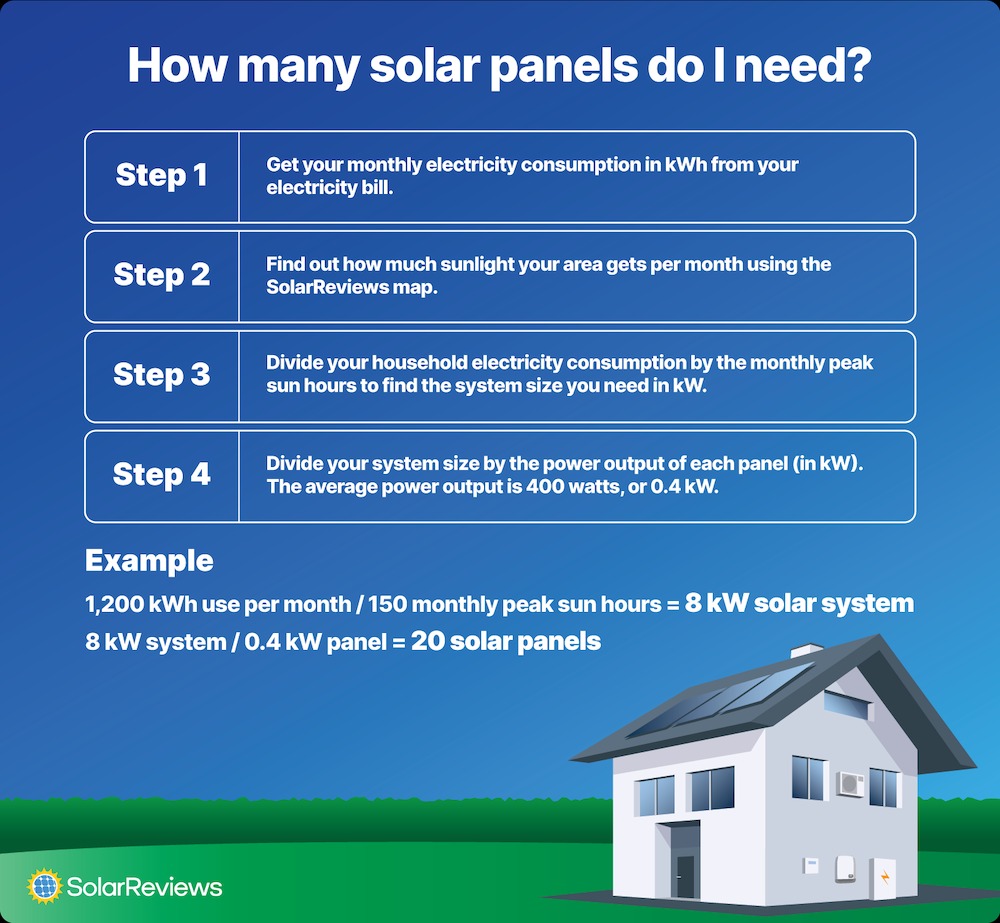
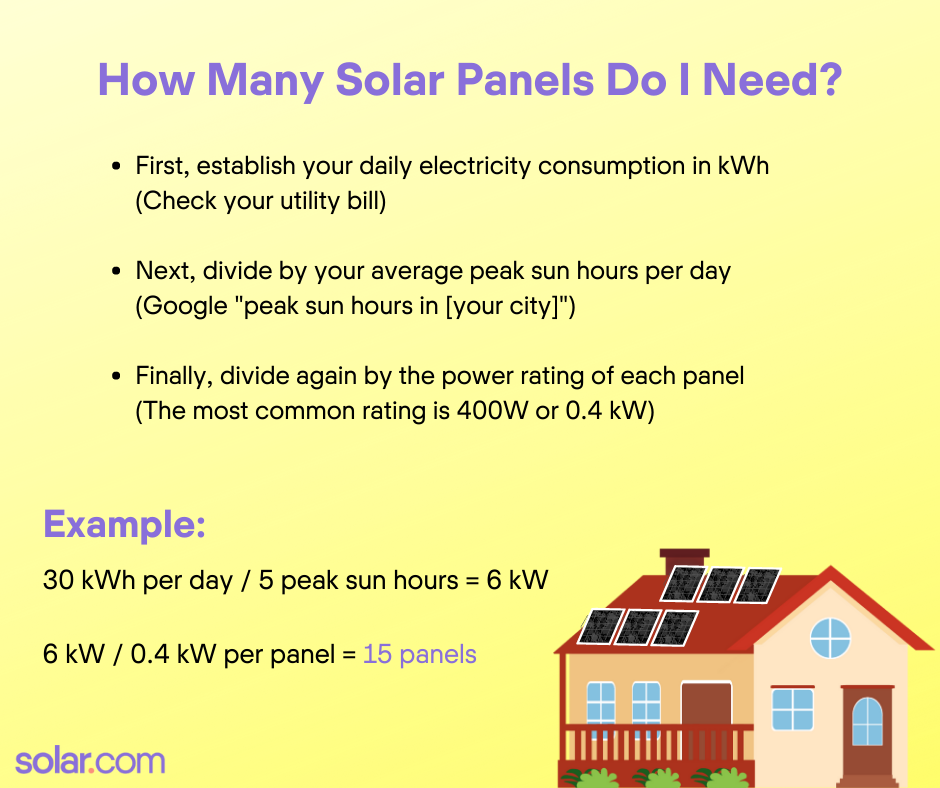
This is where the magic number crunching comes in. Don't worry, you don't have to do it yourself! There are plenty of solar calculators online, or you can consult with a solar panel installer, who can take all these factors into account. But to give you a rough idea, let's say you live in a sunny state (lucky you!) and each panel produces around 5 hours of usable energy per day. A 400-watt panel would then generate 2 kWh of electricity daily (400 watts x 5 hours = 2000 watt-hours, or 2 kWh).
The "Surprise!" Factor: Location, Location, Location
Remember the cupcake party analogy? Well, it's not just about the number of guests, but also where the party is being held. Is it a sunny backyard barbecue or a dimly lit basement rave? The amount of sunlight your roof receives is crucial. A home in Arizona will need fewer panels than a similar-sized home in Seattle, simply because Arizona gets more sunshine. It’s like the difference between baking cupcakes in a professional oven versus trying to use a solar oven made of tin foil.
Also, the direction your roof faces matters. A south-facing roof is usually the best bet for maximizing sun exposure. But don't despair if your roof faces east or west; solar panels can still work well, just maybe not at peak efficiency. Think of it like choosing the right ingredients for your cupcakes. You might prefer chocolate, but vanilla will still get the job done!
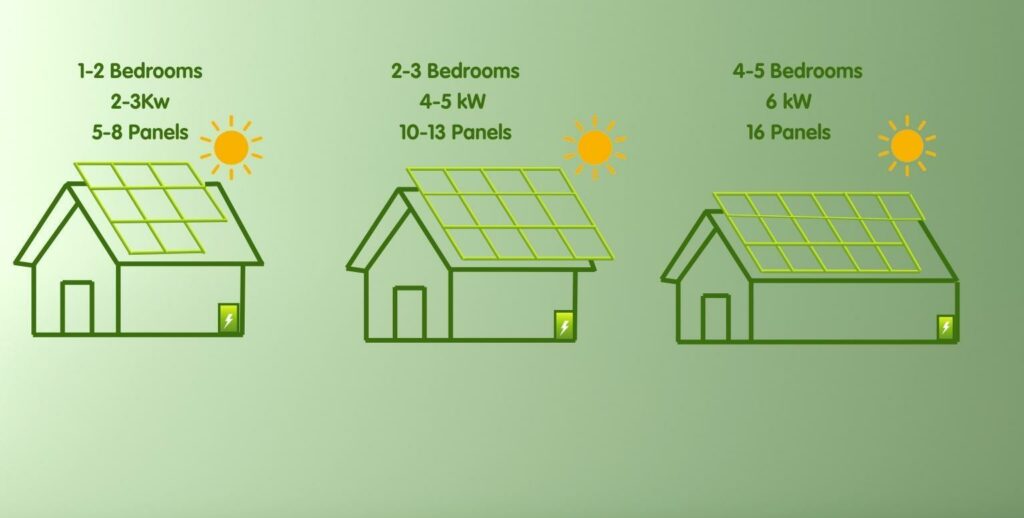
So, how many panels are we talking about? For that average American home guzzling 897 kWh per month, you might need anywhere from 20 to 30 solar panels, depending on panel wattage, location, and roof orientation. It's a ballpark figure, but it gives you an idea.
But here’s the heartwarming part: Imagine looking up at your roof, knowing that those panels are silently working, harnessing the power of the sun to keep your lights on, your fridge cold, and your coffee brewing. You’re not just saving money; you’re contributing to a cleaner, greener future. And that’s a feeling that’s even sweeter than a cupcake (especially if it's solar-powered!).
So, go forth and explore the sunny world of solar panels! It’s an adventure that can power your home, save you money, and leave you feeling like a true energy superhero. And remember, don't be afraid to ask for help from the experts. They're there to guide you on your journey to a brighter, more sustainable future.
"The sun, with all those planets revolving around it and dependent on it, can still ripen a bunch of grapes as if it had nothing else in the universe to do." - Galileo Galilei
