
How Many Solar Panels Are Needed To Power A House
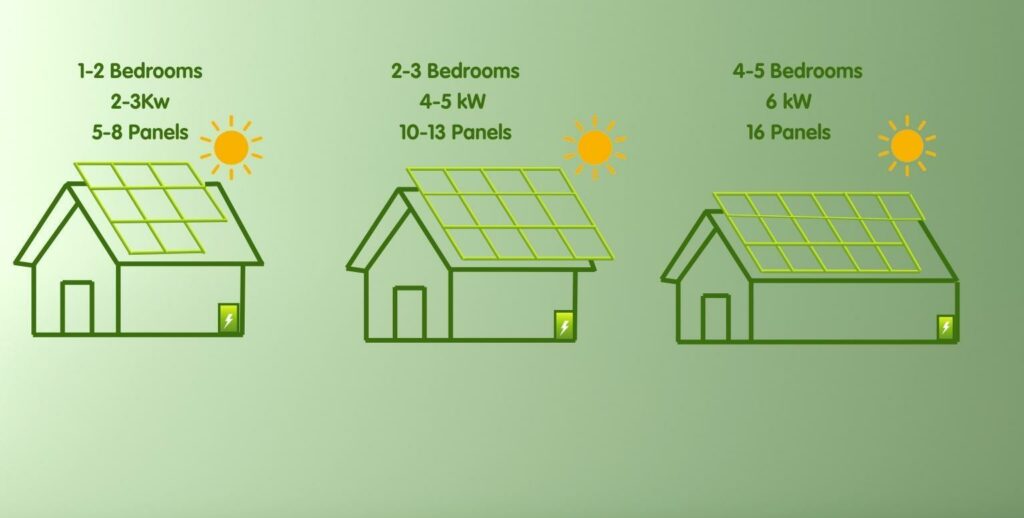
So, you're thinking about ditching the grid and going solar? Awesome! That's like telling your electricity bill to take a permanent vacation. But before you start picturing yourself lounging by a solar-powered pool sipping lemonade (which, let's be honest, is a big part of the dream), there's a little math involved. Don't worry, it's not algebra, more like... counting sunbeams. The big question: How many solar panels do you need to power your house? Let's break it down, friend!
First Things First: Your Energy Appetite
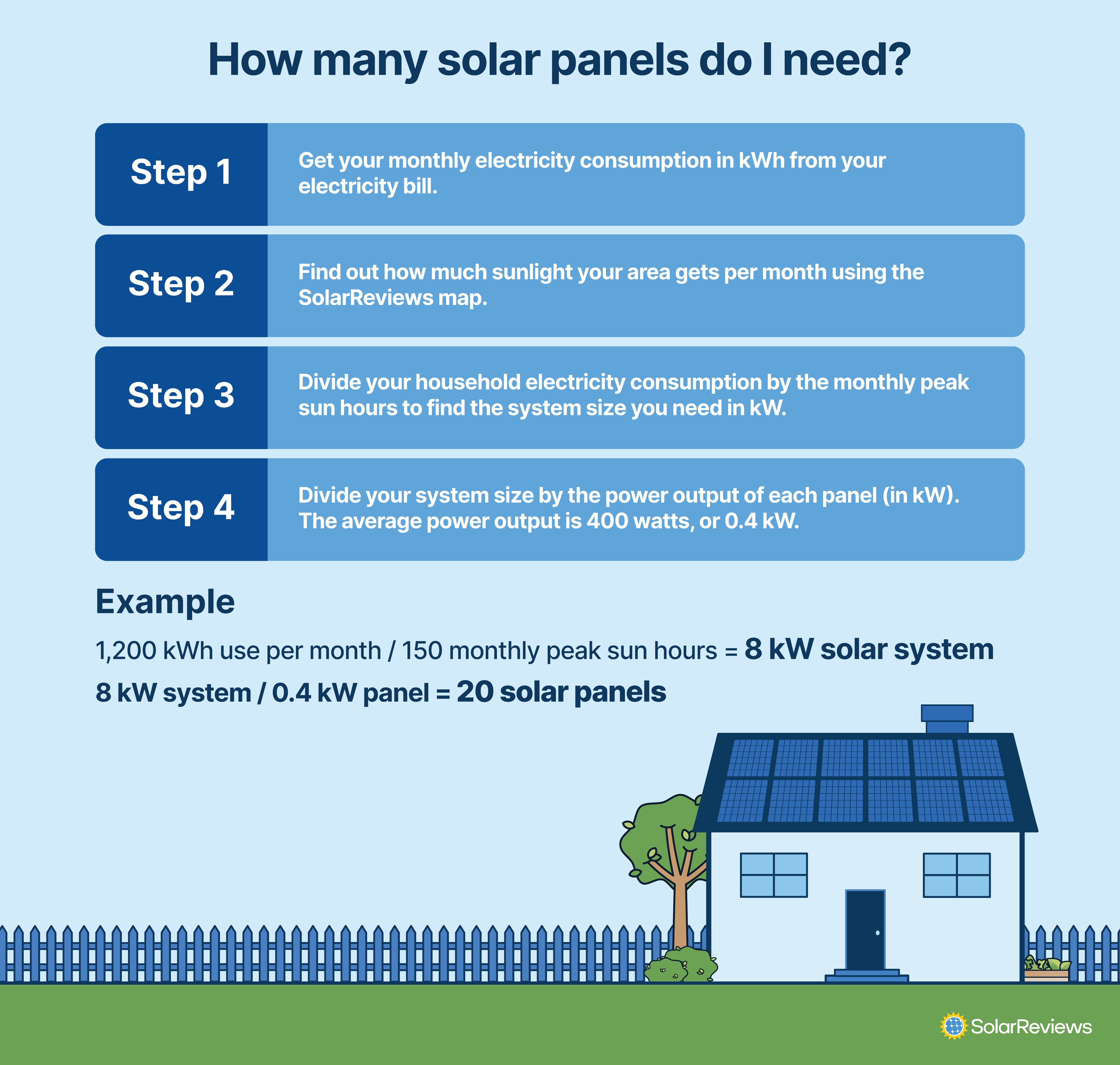
Think of your house as a hungry monster, gobbling up electricity all day long. To figure out how many solar panels you need, we need to know how much this monster eats. Your energy consumption is usually measured in kilowatt-hours (kWh). Don't panic if that sounds technical! You can usually find your monthly kWh usage on your electricity bill. Go grab one now, I'll wait... Seriously, go get it. I'll tell a joke while you're gone: Why did the solar panel go to school? To get brighter! Okay, you're back. Good.
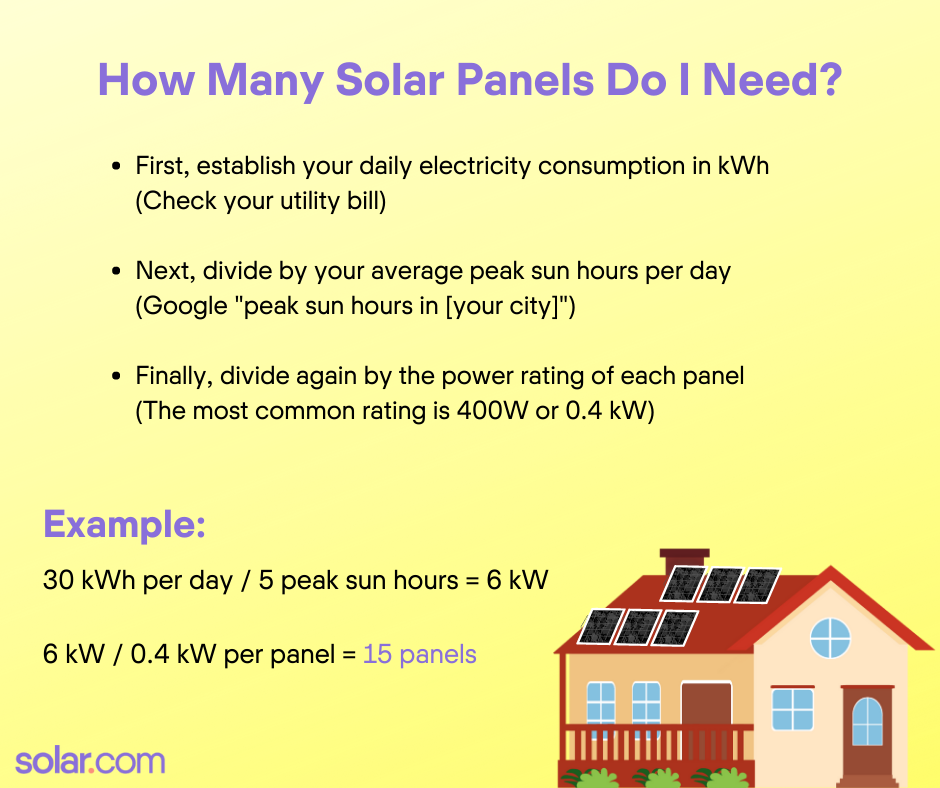
Once you have that monthly number, multiply it by 12 to get your annual energy consumption. This is the number we'll use to figure out how many panels you need. Let's say, for example, you use 10,000 kWh per year. That's a pretty average-sized monster.
Must Read
Sunlight: The Solar Panel's Food
Now, just because you have this hungry monster doesn't mean you can feed it anytime you want. Solar panels need sunlight, obviously. And sunlight isn't created equal across the country (or even across your own neighborhood, thanks, tall trees!). So, we need to figure out how much sunlight your area gets. The solar irradiance (fancy word for sunlight strength) varies greatly depending on your location.
You can find this information online, using websites like the National Renewable Energy Laboratory (NREL) or even just googling "solar irradiance [your zip code]". These resources will give you an average number of "peak sun hours" per day for your location. Peak sun hours are like concentrated sunlight; imagine all the sunlight you get in a day compressed into one, super-sunny hour.
The Solar Panel's Power Output
Solar panels are rated by their power output, usually in watts (W). A typical solar panel these days might be rated at around 300-400 watts. This number tells you how much electricity the panel can generate under ideal conditions (lots of direct sunlight). Obviously, you won't always have ideal conditions (clouds, shade, bird poop... the joys of outdoor living!).
Let's say you're using 350-watt panels. Now we can start crunching some numbers (don't worry, I'll keep it simple!):
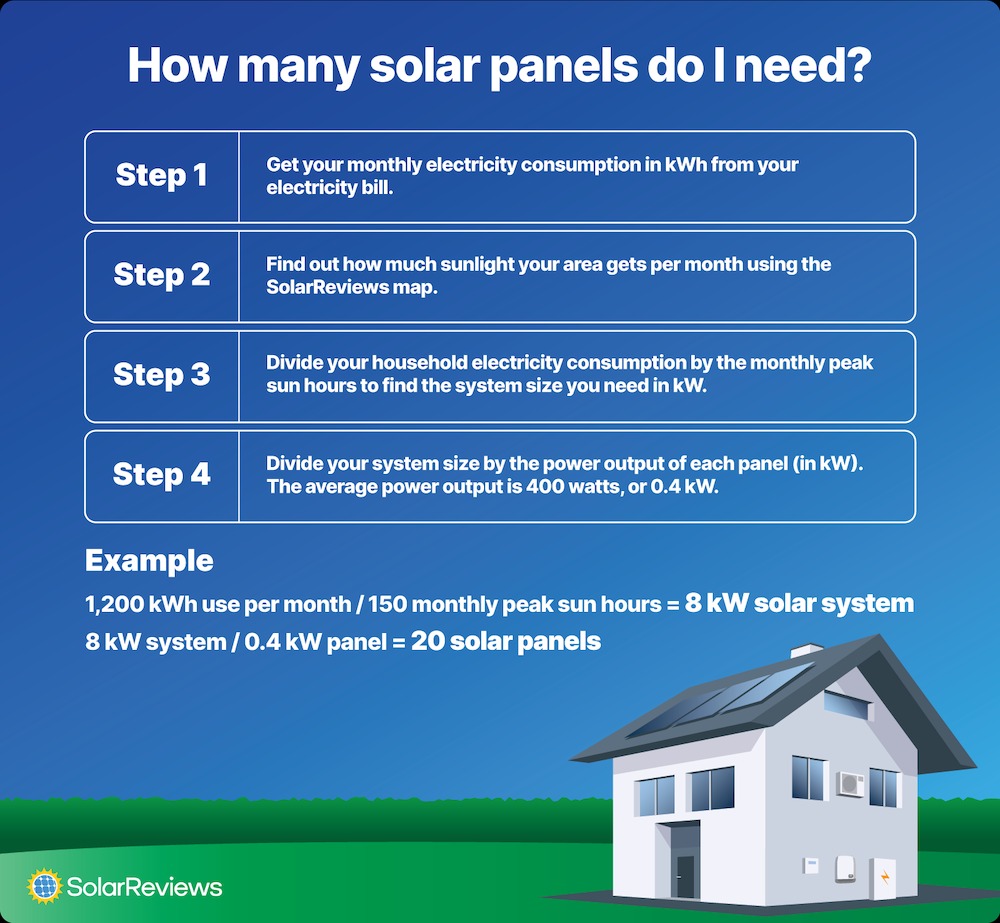
Since you can't buy half a solar panel (unless you're really good with a saw, which I don't recommend), you'd need around 16 solar panels to power your house in this example.
Important Considerations (Because Life is Complicated)
This is a simplified calculation, of course. Several other factors can affect the number of panels you need, including:
It's always best to get a professional solar installer to assess your specific situation and provide a more accurate estimate. They can take all these factors into account and design a system that meets your needs. Plus, they handle all the installation headaches!
The Uplifting Conclusion (With a Smile!)
So, there you have it! Figuring out how many solar panels you need can seem a little daunting at first, but it's totally doable. And imagine the feeling of powering your home with clean, renewable energy! You'll be saving money, reducing your carbon footprint, and maybe even impressing your neighbors with your eco-friendly awesomeness. Just think, soon you could be telling them jokes about solar panels. And who knows? Maybe you will be sipping lemonade by that solar-powered pool. The future is bright, my friend! Go get some sun!
