How Many Pounds Of Refrigerant In A 2 Ton Unit
Hey there, cool cats and kittens! Ever wondered about the magic behind keeping your house feeling like a blissful arctic tundra in the dead of summer? Yeah, I'm talking about your AC! But have you ever thought about what's inside that big metal box humming away outside?
Specifically, let's dive into the cool (pun intended!) world of refrigerant. And today's burning question: How much refrigerant does a 2-ton AC unit actually hold?
What’s a "Ton" Anyway? (And Why Should I Care?)
Okay, first things first. "Ton" in AC-speak isn't about weight, sadly. I know, confusing, right? Imagine trying to lift two tons of AC equipment! It's actually a unit of cooling capacity. Think of it like this: one ton can cool the equivalent of one ton of ice melting in 24 hours. Pretty neat, huh?
Must Read
So, a 2-ton unit? That's double the cooling power! It's like having two icebergs quietly chilling your living room. (Okay, maybe not literally. That would be… damp.) Knowing the tonnage helps figure out the right size AC for your home, but it also plays a part in figuring out the refrigerant charge.
The Refrigerant Secret Sauce
Refrigerant is the lifeblood of your air conditioner. It's a special fluid that goes through a fascinating cycle of evaporation and condensation, absorbing heat from inside your home and releasing it outside. Without it, your AC is just a big, fancy fan. So, how much of this magical stuff are we talking about in a 2-ton unit?
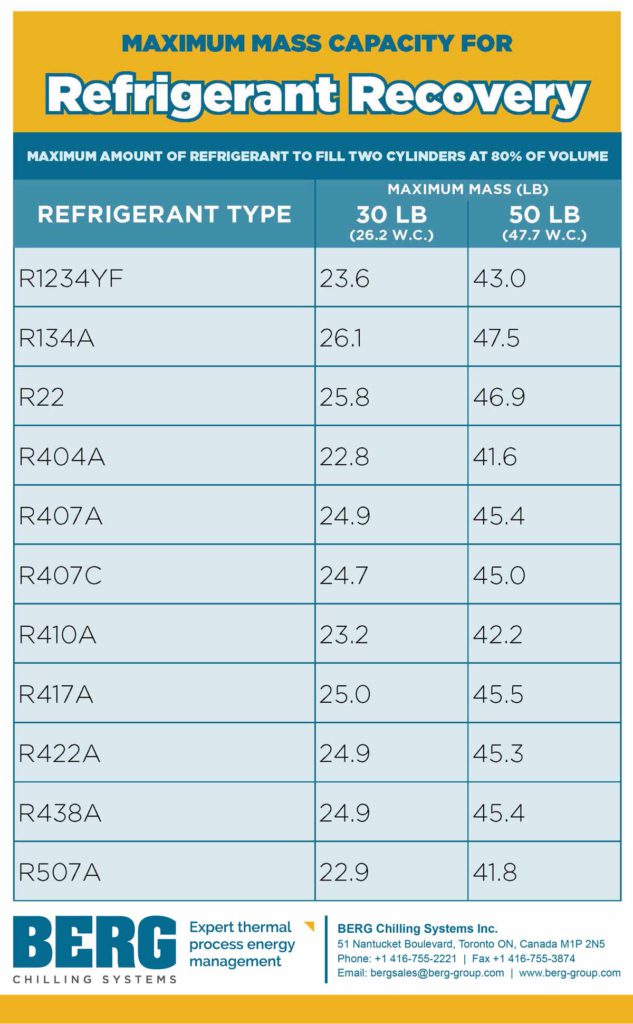
Well, here's the thing: it's not an exact science. The amount of refrigerant depends on a few factors:
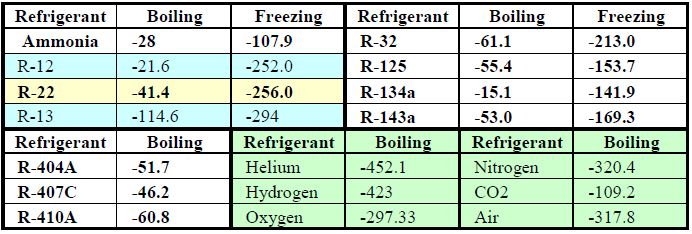
- The type of refrigerant: Different refrigerants have different properties, so they require different amounts to achieve the same cooling effect. Older systems often used R-22 (which is being phased out!), while newer systems typically use R-410A or other more environmentally friendly options.
- The manufacturer: Each manufacturer designs their units differently, and that affects the refrigerant charge.
- The specific model: Even within the same manufacturer, different models can have slightly different refrigerant requirements.
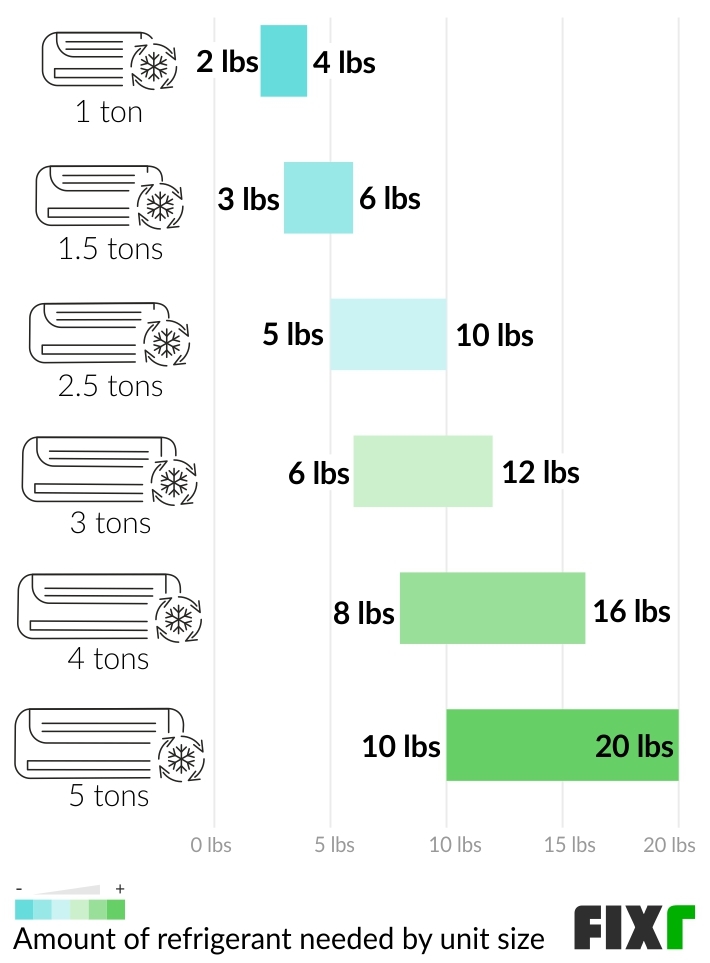
However, as a general rule of thumb, a 2-ton AC unit typically holds somewhere between 3 to 5 pounds of refrigerant. Think of it as being roughly the weight of a small chihuahua… but definitely don't try to cuddle it!

Why Does Knowing the Refrigerant Amount Matter?
You might be thinking, "Okay, cool fact, but why do I need to know this?" Well, there are a couple of good reasons:
- Proper Charging: If your AC system is low on refrigerant, it won't cool properly. It'll be like trying to fill a swimming pool with a garden hose. You'll just end up with a lukewarm puddle. A technician needs to know the correct charge to properly refill it.
- Leak Detection: If your AC is constantly losing refrigerant, it means you have a leak. And those leaks can be harmful to the environment. Knowing the expected amount helps identify a problem early.
- DIY Danger: Messing with refrigerant is not a DIY project. It's a controlled substance, and you need proper training and equipment to handle it safely. So leave it to the pros!
Where Can I Find the Exact Amount?
So, if the 3-5 pound range is just an estimate, how do you find the exact amount of refrigerant your 2-ton unit needs? Easy! Look for a sticker or nameplate on the outdoor unit. It usually lists the type of refrigerant and the precise charge in ounces or pounds. It's like a secret ingredient list for cool air!

Can't find it? Don't sweat it! Your AC technician will have access to that information and the tools to properly charge your system. They're the refrigerant whisperers, after all.
The Takeaway: Stay Cool (and Informed!)
So, there you have it! A glimpse into the hidden world of AC refrigerant. While the exact amount in a 2-ton unit can vary, knowing the general range and where to find the specifics can help you keep your cool, both literally and figuratively. Remember, if you suspect a problem with your AC, always call a qualified HVAC technician. They'll keep your system running smoothly and efficiently, so you can stay comfortable all summer long.
Stay cool, everyone!