How Many Nuclear Power Plants In North Carolina

Ever flick a light switch and bask in the glow, or crank up the AC on a sweltering summer day? We take reliable electricity for granted, but behind the scenes, a complex web of power sources keeps our modern world humming. From powering our homes and businesses to fueling our industries and charging our devices, electricity is the lifeblood of our daily routines. And while solar panels and wind turbines are gaining traction, a significant portion of our electricity still comes from sources like nuclear power.
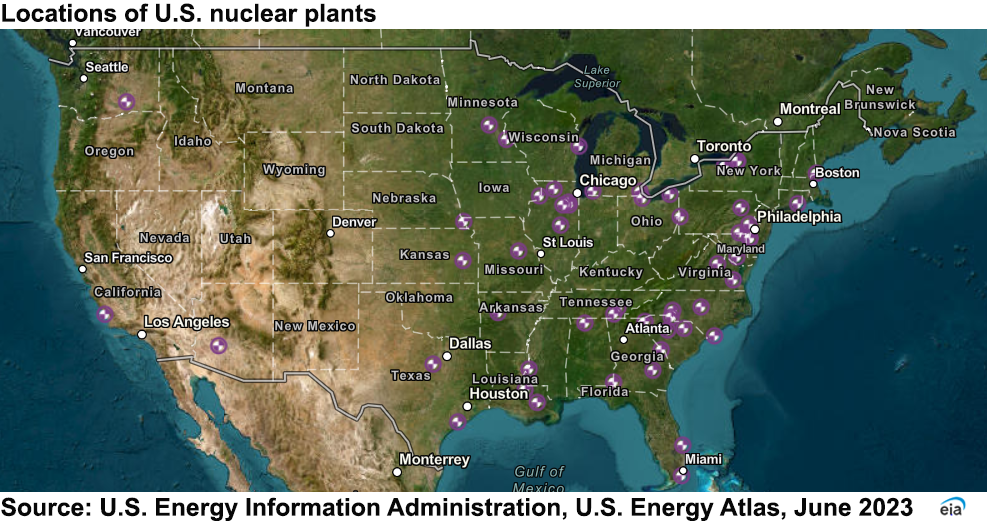
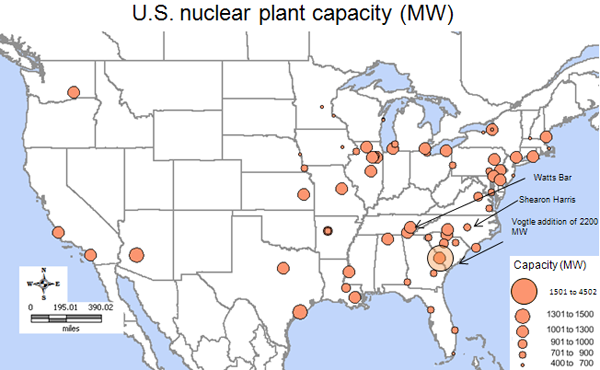
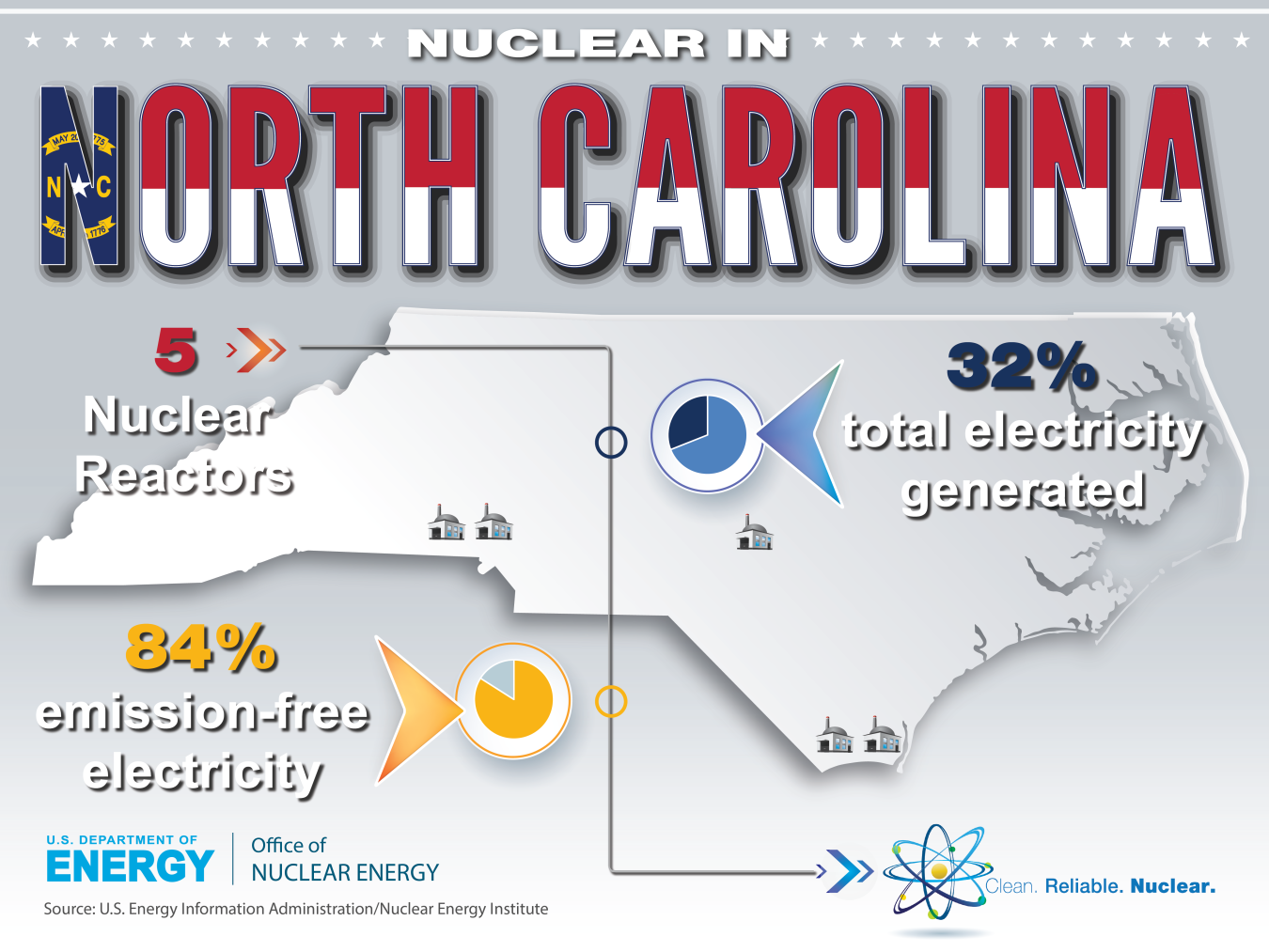
So, let's dive into the nuclear landscape of the Tar Heel State: How many nuclear power plants does North Carolina have? The answer is two, operating a total of three nuclear reactors. These plants play a crucial role in providing electricity to the state, contributing significantly to North Carolina's energy mix.
Nuclear power plants offer several key benefits. Firstly, they provide a stable and reliable source of electricity, unlike some renewable sources that are dependent on weather conditions. They operate consistently, day and night, regardless of the sun shining or the wind blowing. Secondly, nuclear power is a low-carbon energy source. While the construction and decommissioning of plants do have environmental impacts, the actual process of generating electricity from nuclear fission produces very little greenhouse gas emissions compared to fossil fuels like coal or natural gas. This is a significant advantage in the fight against climate change.
Must Read
These North Carolina plants, namely the Brunswick Nuclear Plant near Southport and the Shearon Harris Nuclear Plant near New Hill, exemplify the practical application of nuclear energy. They generate substantial amounts of electricity that power countless homes, businesses, and industries across the state. Imagine hospitals relying on uninterrupted power for critical medical equipment, factories keeping production lines running smoothly, and families enjoying the comforts of their air-conditioned homes – all thanks, in part, to the reliable energy provided by these nuclear facilities.
While you may not be directly "enjoying" nuclear power in the same way you enjoy a sunset or a delicious meal, understanding its role in our society and its impact on our environment can lead to a greater appreciation for the complexities of energy production. So, how can you "enjoy" it more effectively? By becoming a more informed citizen. Read about different energy sources, their benefits, and their drawbacks. Explore the technology behind nuclear power and the safety measures in place. Engage in informed discussions about energy policy and advocate for solutions that balance economic needs, environmental protection, and energy security.
By staying informed and participating in the conversation, you can contribute to shaping a more sustainable and reliable energy future for North Carolina and the nation. Instead of simply flicking the switch, you can appreciate the journey the electricity takes, including the role nuclear power plays in keeping the lights on.
![U.S. Nuclear Power Plants and Production by State [1650x1275] : r/MapPorn](https://external-preview.redd.it/IabWt3J8zmHtcCP04mPXZQaKuufPN2t7tvlvUtSatUU.png?auto=webp&s=1975186631472d884266d7203a43a2c315d85930)