How Many Nuclear Power Plants Are In The Us Today
Ever wondered how much electricity comes from those futuristic-looking power plants we sometimes see on road trips? I'm talking about nuclear power plants! They're kind of mysterious, aren't they? Like something out of a sci-fi movie, but they're very real and working hard to keep our lights on. So, let's dive in and see just how many of these energy giants are buzzing away in the good ol' U.S. of A.
The Big Number: A Nuclear Headcount
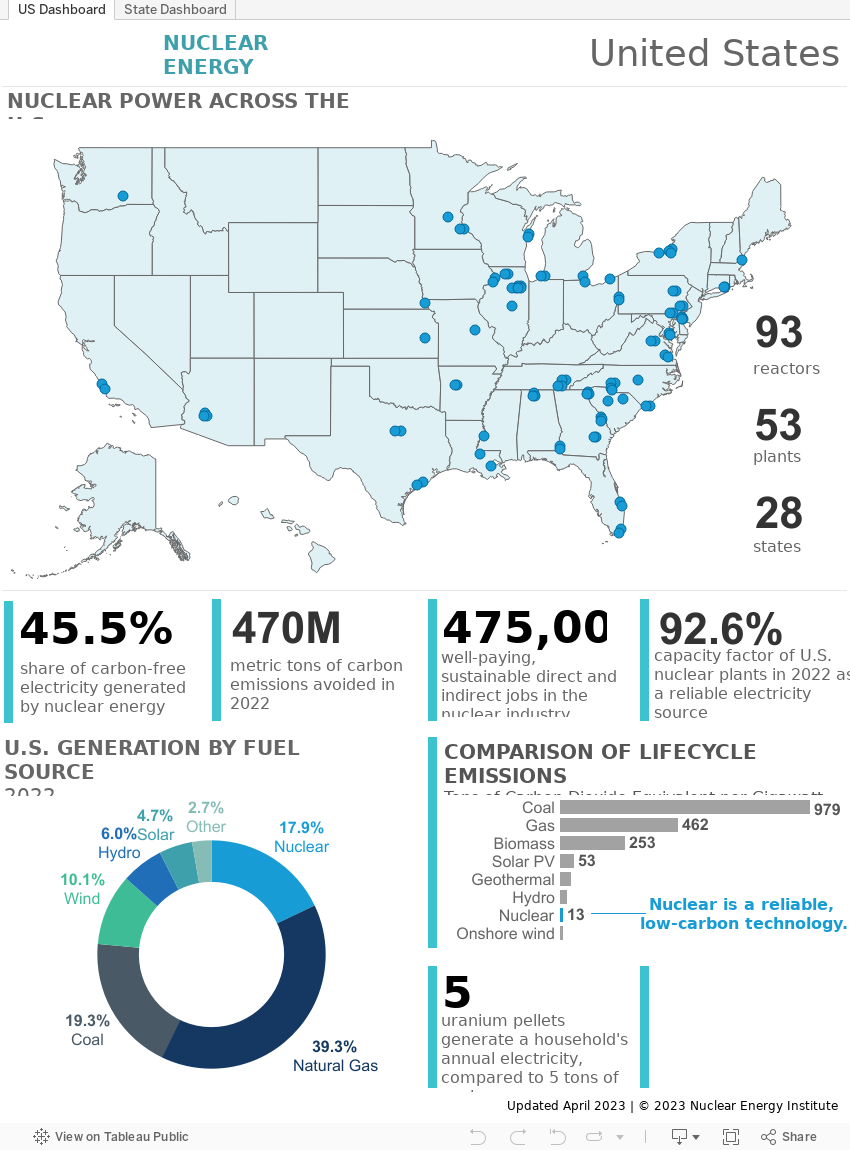
Alright, drumroll please... As of today, there are around 93 operational nuclear reactors humming away at around 54 nuclear power plants across the United States. Yes, you read that right! It's like a whole league of atomic energy providers working around the clock. That's a pretty impressive number, wouldn’t you say?
Now, you might be thinking, "Okay, 93, 54... what's the deal with the two numbers?" Well, some plants actually have more than one reactor on site. It's like having multiple engines powering the same factory. More reactors, more power! Think of it as a power-generating party at some locations.
Must Read
Why Should We Care About Nuclear Power?
Now that we know the number, you might be asking, "So what? Why should I care about these nuclear doohickeys?" That's a fair question! Here's the thing: Nuclear power is a major player in our electricity game. It quietly provides a significant chunk of the power we use every day to binge-watch our favorite shows, charge our phones, and, you know, keep the world spinning (sort of!).
One of the coolest things about nuclear power is that it's a relatively clean energy source (once it is up and running, anyway). Unlike coal or natural gas, nuclear plants don't produce a ton of greenhouse gases while they're generating electricity. That's a big win for the environment! We're talking about helping to keep our air a bit cleaner and our planet a bit happier.
Where Are These Nuclear Marvels Located?
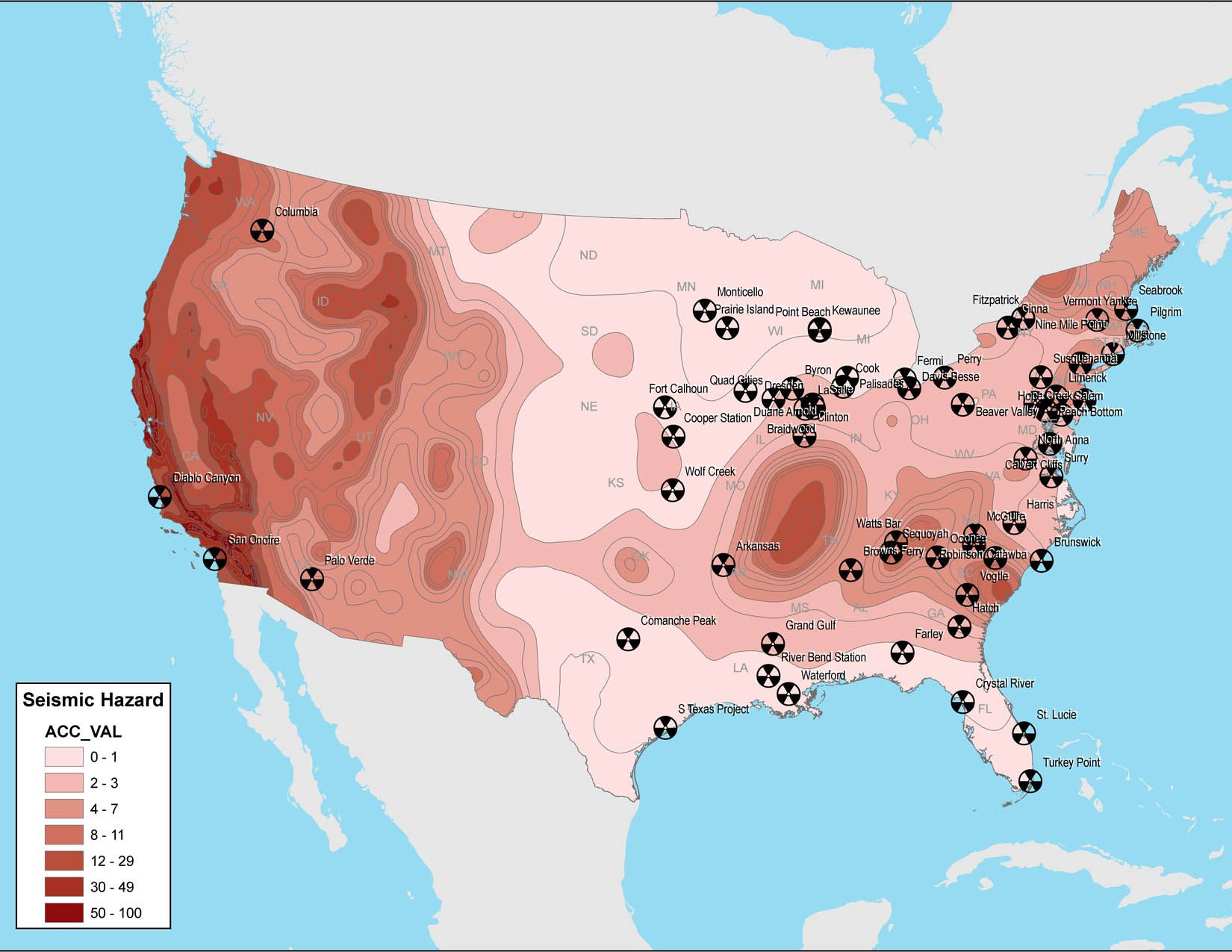
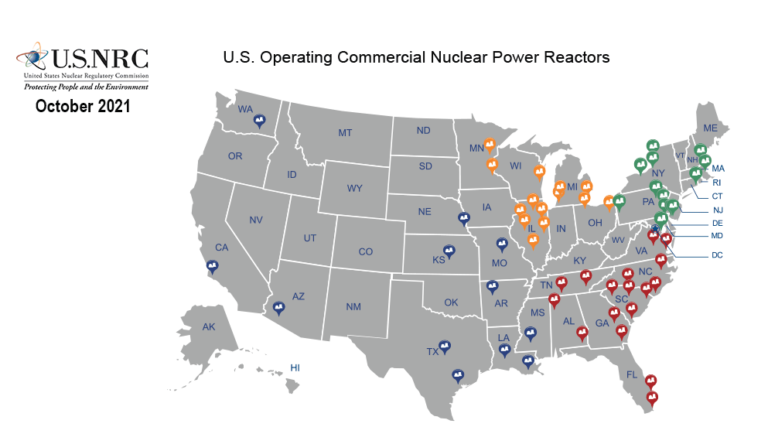
You might be picturing these plants in some remote, top-secret location. And while security is definitely tight, they're actually located in various states across the country. States like Pennsylvania, Illinois, and South Carolina are home to quite a few of these energy powerhouses. You might even live near one without realizing it!
Next time you're planning a road trip, check out a map of US nuclear power plants. You never know, you might be driving past one of these interesting places. But don’t just stop and walk in, they have very strict security around them, as is expected.
The Future of Nuclear Energy
So, what's next for nuclear power? Well, the energy world is always changing, and nuclear is no exception. There's a lot of buzz around new types of reactors that are smaller, safer, and even more efficient. We're talking about next-generation technology that could revolutionize the way we get our power. Imagine a future powered by super-smart, ultra-clean nuclear energy!
![U.S. Nuclear Power Plants and Production by State [1650x1275] : MapPorn](https://external-preview.redd.it/IabWt3J8zmHtcCP04mPXZQaKuufPN2t7tvlvUtSatUU.png?width=960&crop=smart&auto=webp&s=35c6857a877c048ddb83a9b7b0f8b2ef93024b3b)
There's also the question of nuclear waste, which is something scientists and engineers are constantly working to improve. Finding better ways to store and even recycle nuclear waste is a crucial part of making nuclear power a more sustainable option for the long haul. It's like figuring out how to clean up after a really big party, but on a much grander scale.
Nuclear Power: It's More Interesting Than You Think!
Hopefully, you now have a better idea of how many nuclear power plants are in the U.S. and why they're kind of a big deal. It's not just about numbers and reactors; it's about how we power our lives, protect our planet, and innovate for the future.

So, the next time you flip a light switch, take a moment to think about the incredible journey of electricity – and maybe even give a little nod to the nuclear power plants that are working hard to keep the lights on!
Want to learn more? Check out resources from the Nuclear Regulatory Commission (NRC) and the Department of Energy (DOE). They are great starting point to understand nuclear technology. It's an awesome way to learn more about the power that shapes our world. Who knows, you might even become a nuclear energy enthusiast yourself!