
How Many Megawatts Does A Wind Turbine Generate
Hey there, friend! Ever looked up at those giant, graceful windmills – I mean, wind turbines – spinning serenely and wondered, "Just how much juice are those things making?" Well, you're in the right place! Let's break down the megawatts (MW) a wind turbine can generate, without getting too bogged down in technical jargon (because, honestly, who needs that?).
First things first: What's a megawatt? Think of it like this: one megawatt (MW) can power roughly 750-1,000 homes. So, if you're imagining a whole town lit up by one of these turbines, you're not far off! That is, if everyone isn't running their air conditioning full blast at the same time. Gotta conserve, people!
So, How Many Megawatts Are We Talking?
Okay, here's the fun part. There's no single, simple answer. It's not like asking how many wheels a car has (unless you’re into some seriously experimental car designs). The amount of electricity a wind turbine generates depends on a bunch of factors. Think of it like baking a cake - ingredient sizes vary!
Must Read
These factors include:
- Turbine Size and Design: Bigger turbines, unsurprisingly, generally generate more power. It's like comparing a teacup to a giant soup bowl. Both can hold liquid, but one holds A LOT more!
- Wind Speed: This is a no-brainer. The windier, the better! Imagine trying to push a swing. It's much easier (and more effective!) with a good shove than a gentle nudge. Wind turbines are the same. If there's hardly any wind, then it will be like someone hardly pushing you on the swing.
- Location, Location, Location: Coastal areas, open plains, and mountaintops tend to be windier. Think about it: you wouldn't build a windmill in a valley that's sheltered from the wind, would you? Unless you're trying to create the world’s least efficient tourist attraction.
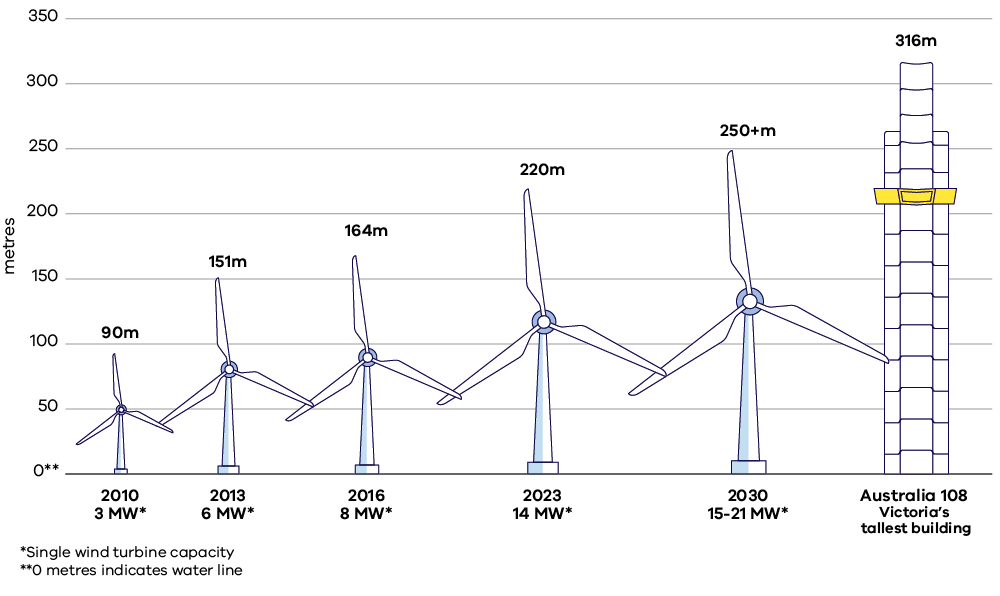
Generally, modern utility-scale wind turbines (the ones you see in wind farms) can generate anywhere from 2 MW to 8 MW. Yep, that's a pretty big range! Imagine trying to decide what size pizza to order when the options are a personal pan or one the size of your car. The difference is real!
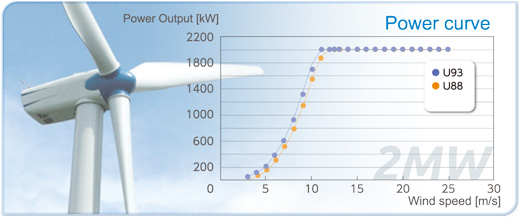
Let's zoom in:
The most common size you'll see is probably in the 2-3 MW range. These are workhorses of the wind energy world. A single 3 MW turbine, running at full capacity (which they rarely do 24/7, because, you know, wind isn't always blowing), could potentially power over 2,000 homes.
But there are also some seriously beefy turbines out there pushing the boundaries. Some offshore wind turbines can generate 8 MW or even more! These giants are truly impressive feats of engineering. They're like the skyscrapers of the energy world. Just be careful when you look at one from afar - you might get dizzy.

Capacity Factor: The Real-World Catch
Here's where things get a little more realistic. Wind turbines don't always operate at their maximum capacity. That's where something called "capacity factor" comes in. This is the percentage of time a turbine is actually producing power at its maximum potential. For wind turbines, the average capacity factor is around 30-50%. Meaning, even a turbine capable of 3 MW might only actually generate an average of 1 to 1.5 MW over time.
Why? Again, it's the wind. It's fickle! Some days it's blowing a gale, and other days it's practically nonexistent. So, while those turbines are designed to generate a certain amount, nature has the final say.

Think of it like this: your car might be capable of going 150 mph, but you're rarely (and hopefully never!) driving that fast. You're usually cruising at a more reasonable speed. That is, unless you live in a movie.
The Upshot?
Wind turbines are powerful machines that play a crucial role in generating clean, renewable energy. While the exact amount of electricity they produce varies, they're a vital part of our effort to reduce our reliance on fossil fuels and create a more sustainable future.
So, the next time you see those windmills gracefully turning, remember they're not just pretty scenery; they're powerful sources of clean energy, working hard to keep our lights on and our planet a little greener. And that’s something to smile about!
