
How Many Megawatts Do Wind Turbines Produce
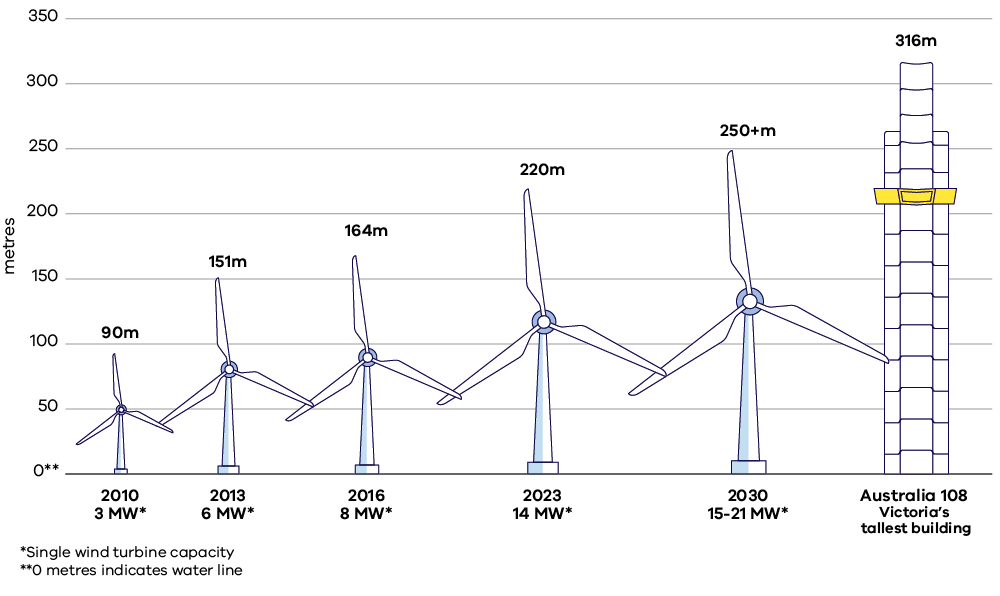
Ever looked up at a graceful, spinning wind turbine and wondered, "Just how much power does that thing actually generate?" You're not alone! It's a question that blends technology, sustainability, and a touch of awe. Let's demystify the megawatt output of these modern marvels.
The Megawatt Rundown: It Depends!
The power a wind turbine produces isn't a fixed number. Think of it like asking how fast a car can go. It depends. Key factors influencing a wind turbine's output include:
- Turbine Size: Bigger blades mean more wind captured.
- Wind Speed: Stronger winds, more power. Obvious, right? But it's crucial!
- Location: Coastal areas and open plains generally have higher wind speeds.
- Turbine Technology: Newer models are more efficient.
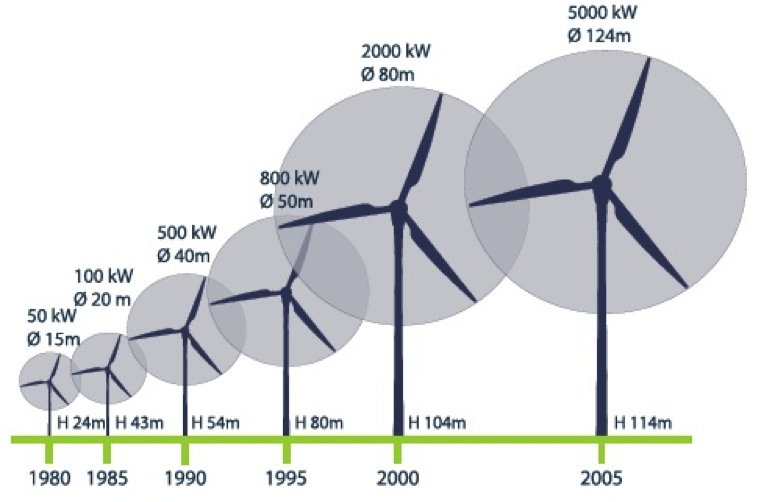
Generally, modern wind turbines range in capacity from 2 to 5 megawatts (MW). Some of the largest offshore turbines can even reach 12-15 MW!
Must Read
Translating Megawatts to Real Life
Okay, megawatts are cool, but what does that actually mean? One megawatt is equivalent to one million watts. To put that into perspective:
- A typical American home uses about 1 kilowatt (kW) on average. That’s 0.001 MW.
- So, a single 3 MW wind turbine could potentially power around 3,000 homes!
However, it’s essential to remember that turbines don't operate at full capacity 24/7. Wind is variable, and there are maintenance periods. This is where something called the "capacity factor" comes in. It accounts for the reality of fluctuating wind speeds. A good capacity factor for a wind turbine is around 30-50%.

Wind Turbine Tech: A Quick Dive
There are two main types of wind turbines:
- Horizontal-axis wind turbines (HAWTs): These are the ones you typically see, with three blades and a tall tower. Think of them as the windmills of the future.
- Vertical-axis wind turbines (VAWTs): These look a bit different, like eggbeaters or giant whisks. They can capture wind from any direction but are generally less efficient for large-scale power generation.
Most large-scale wind farms use HAWTs due to their proven efficiency and cost-effectiveness. Turbine technology is constantly evolving, with researchers and engineers developing larger, more efficient designs.
The Cultural Impact
Wind turbines have become a symbol of clean energy and environmental awareness. You see them in documentaries, commercials, and even in art installations. Think of the opening scenes of The Boy Who Harnessed the Wind, a powerful film showcasing the ingenuity of using wind power in rural Malawi.
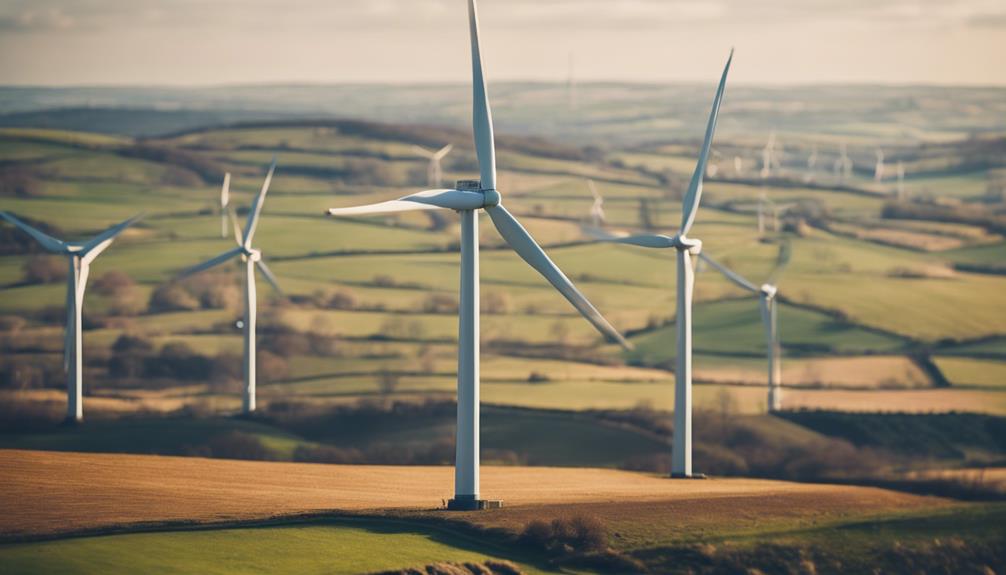
They're a constant reminder of our efforts to transition away from fossil fuels and embrace sustainable energy sources. Of course, they're not without their critics. Visual impact, noise concerns, and potential impacts on bird populations are all valid points of discussion and ongoing research aims to mitigate these issues.
Fun Fact Break!
Did you know that Denmark consistently gets over 40% of its electricity from wind power? They're a real leader in renewable energy integration!
Practical Tips for Supporting Wind Energy
Want to contribute to the growth of wind energy? Here are a few things you can do:
- Support Renewable Energy Policies: Advocate for policies that encourage wind energy development.
- Choose a Green Energy Provider: If available, switch to an electricity provider that sources its power from renewable sources like wind and solar.
- Conserve Energy: Reduce your overall energy consumption. Every kilowatt-hour saved makes a difference!
- Educate Yourself and Others: Learn more about wind energy and share your knowledge with friends and family.
The Gentle Giant in Your Backyard (Maybe!)
So, the next time you see a wind turbine spinning majestically, remember it's not just a pretty sight. It's a powerhouse, contributing to a cleaner, more sustainable future. Its output might vary based on wind conditions and technology, but its potential impact is undeniable.
Think about it: that power might be lighting your home, charging your phone, or even powering your favorite streaming service. It's a tangible connection to the power of nature, harnessed for the benefit of all.
