
How Many Mah Is A Aa Battery
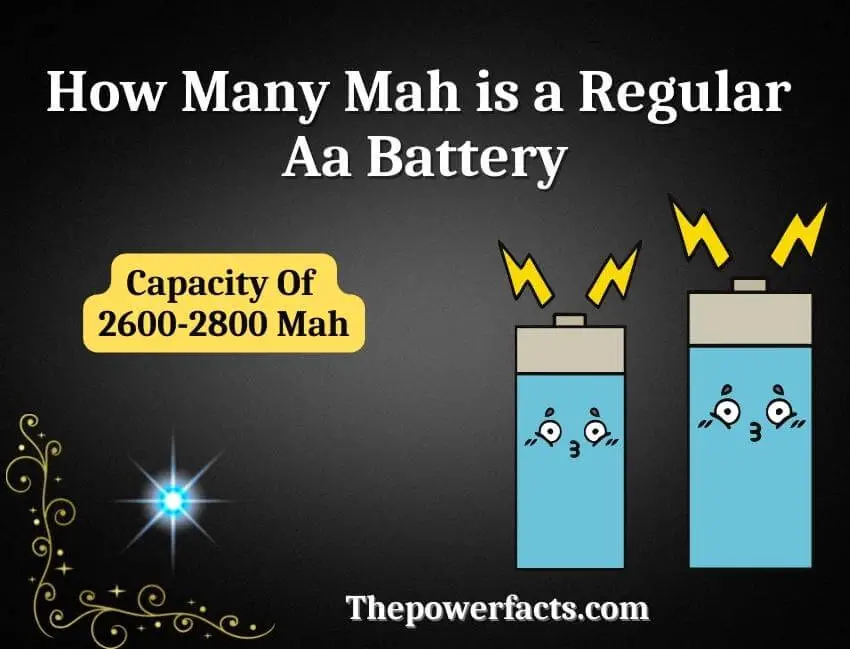
Ever stared at a dead remote, cursing the tiny cylinder inside? Or maybe you've tried to revive a forgotten toy, only for its eyes to flicker feebly? We’ve all been there. And in that moment of despair, a profound question might just bubble up: How much juice does this little AA battery actually hold?
It’s a question that sounds simple, right? Like asking how many sprinkles are on a donut. But oh boy, it's a rabbit hole of delightful quirks and surprising science!
So, What's a mAh Anyway?
Before we dive into the AA mystery, let’s quickly decode "mAh." It stands for milliampere-hour. Think of it like a tiny fuel tank for electricity. The "milliampere" part is how much current it can deliver, and "hour" is... well, how long it can keep that current flowing. So, a battery with more mAh is like a car with a bigger gas tank. It can power your gadgets for longer! Simple, right?
Must Read
The Grand Reveal (and the Plot Twist!)
Okay, drumroll please! If you're asking "how many mAh is a AA battery?", the straightforward answer is… it depends! Bet you didn't see that coming, did you? It's like asking "how much does a sandwich weigh?" Well, what kind of sandwich are we talking about?
AA batteries are a wild bunch. Their capacity can swing wildly, from around 400 mAh all the way up to a whopping 3000 mAh or more! Seriously. That’s a massive range for something that looks identical on the outside.
But why the huge difference? Ah, that’s where the fun really begins. It’s all about what's inside these tiny powerhouses.
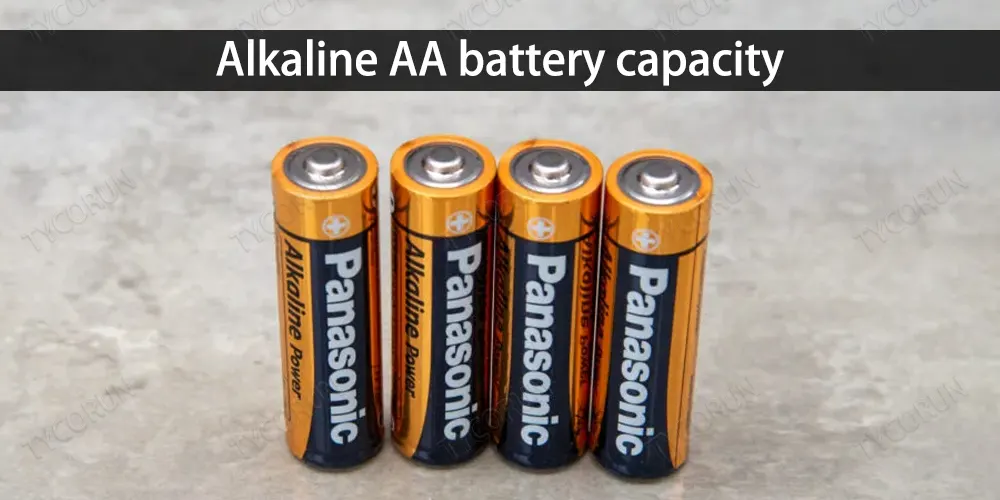
Alkaline: The Everyday Warrior
These are the batteries you probably have lurking in your junk drawer right now. The ones from the grocery store. Your remote control’s best friend. Alkaline AA batteries typically pack around 1800 to 2700 mAh when they’re spanking new.
But here’s the quirky part: they don't deliver all that power consistently. As they drain, their voltage slowly drops. It’s like trying to run on fumes! This is why your flashlight gets dimmer and dimmer, instead of just suddenly going poof.
Fun fact: Many devices are designed to work even with this voltage drop. Your TV remote hardly cares. But a digital camera? It'll spit out those "low battery" warnings pretty quick, even if there's still a bit of juice left, because it needs that higher, consistent voltage.
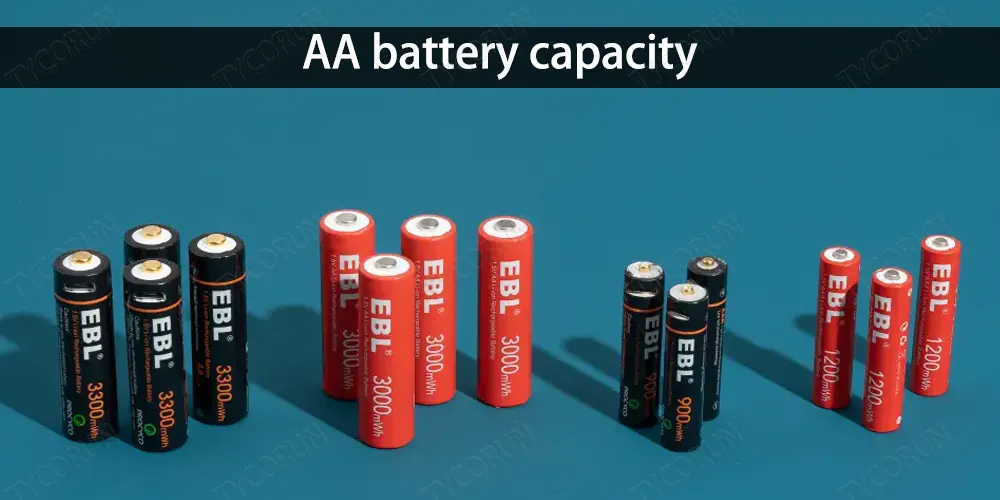
NiMH: The Rechargeable Rockstar
If you’re environmentally conscious (or just tired of buying batteries), you probably own some Nickel-Metal Hydride (NiMH) AA batteries. These are the rechargeable champions!
NiMH batteries often boast a higher capacity right off the bat, usually ranging from 1900 mAh to an impressive 2700 mAh for standard sizes. Some specialized ones can even creep higher.
The coolest thing about NiMH? They deliver a pretty consistent voltage until they're almost completely drained. No slow fade-out here! They're like that friend who's either 100% on or 0% asleep. The downside? They tend to "self-discharge" a bit, meaning they lose power just sitting around, even if you don't use them. So, charge 'em up right before you need 'em!
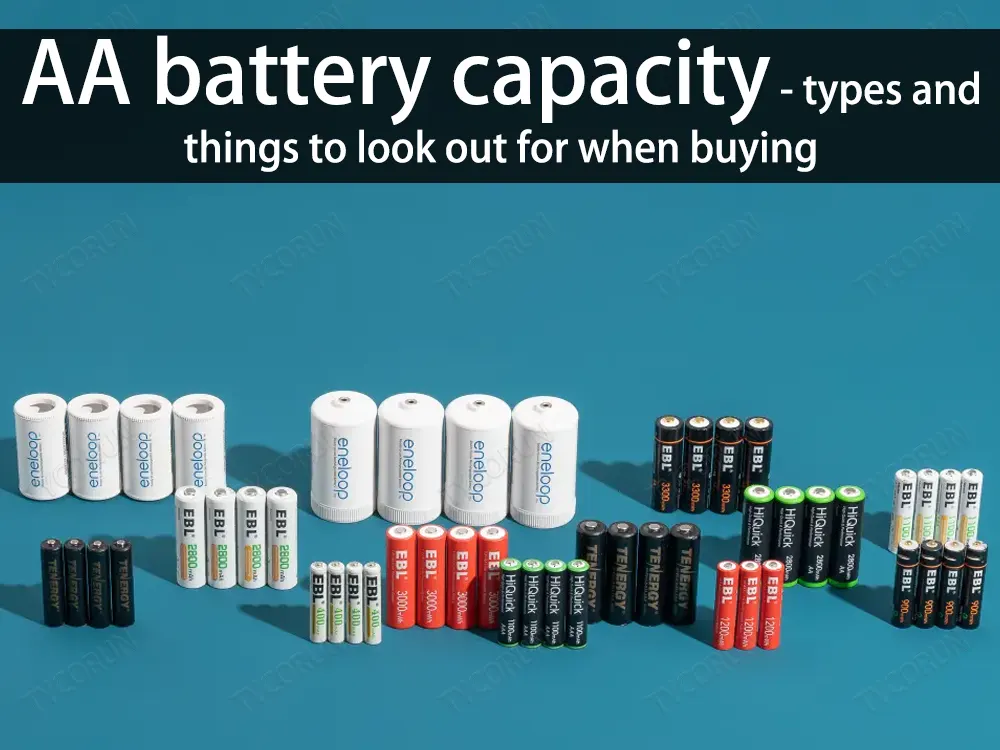
Lithium: The Lightweight Long-Hauler
Now, for the premium stuff! Lithium AA batteries are a different beast entirely. They’re lighter, work in extreme temperatures (think super cold!), and often have the highest capacity, sometimes hitting 3000 mAh or even more.
These are great for critical gear like high-powered flashlights, GPS devices, or smoke detectors where you want maximum life and reliability. But be warned: they're generally non-rechargeable and come with a heftier price tag. You usually won't find these in a toy that eats batteries like candy.
Why Does All This Matter?
Knowing about mAh isn't just for battery geeks. It helps you pick the right power source for your gadgets! High-drain devices like digital cameras or portable game consoles will thank you for high-capacity NiMH or Lithium cells. Your simple wall clock? A basic alkaline will do just fine, lasting for ages because its power draw is so tiny.

It's also why some devices seem to munch through batteries while others just sip. A remote controller might draw a tiny 10-20mA, making even a lower mAh alkaline last for a year. But a camera flash can demand hundreds or even thousands of mA in a burst, depleting that battery in a flash (pun intended!).
The Great Battery Mix-Up!
Ever mixed battery brands or types in a device? Don't do it! Each battery has its own unique power curve. Mixing them is like trying to make two different sized tires spin at the same speed. One will always be under more strain, leading to uneven drainage, reduced performance, and even potential leaks. Not fun!
So, The Next Time...
The next time you pop a fresh AA battery into a device, take a moment to appreciate the tiny engineering marvel in your hand. It's not just a generic cylinder of power; it's a specific chemical cocktail, carefully designed to store and release energy in its own unique way.
From the humble alkaline keeping your clock ticking, to the mighty lithium powering your outdoor adventures, these little guys are fascinating. And now you know a bit more about their secret superpower: the mysterious, variable, and utterly intriguing mAh!