How Many Kwh To Charge A Car
There's a unique thrill in embracing the future of driving, isn't there? Whether it's the whisper-quiet hum of an electric motor or the satisfying feeling of contributing to a cleaner planet, EVs are captivating our imaginations. And part of that exciting journey involves a whole new way to "fuel up": charging. The thought of plugging in your car like your phone, waking up to a "full tank" every morning, is a huge draw for many. But for newcomers and seasoned EV drivers alike, a fundamental question often surfaces: "How many kWh does it take to charge a car?" It might sound like a technical query, but understanding this figure is empowering, transforming charging from a mystery into a smart, everyday habit.
So, why bother understanding kilowatt-hours (kWh) when it comes to your electric ride? Well, much like knowing the price per gallon helps you budget for petrol, grasping kWh helps you manage your EV’s energy consumption and cost. The primary benefit of an EV is often its dramatically lower "fuel" costs compared to gasoline, especially if you charge at home during off-peak electricity hours. Beyond the immediate financial perk, understanding your charging needs is crucial for convenience and peace of mind. It ensures you know how much range you’ll gain for your daily commute or a weekend adventure, effectively banishing range anxiety and making every drive a smooth, predictable experience. It’s about more than just getting from A to B; it’s about smart, sustainable, and affordable travel.
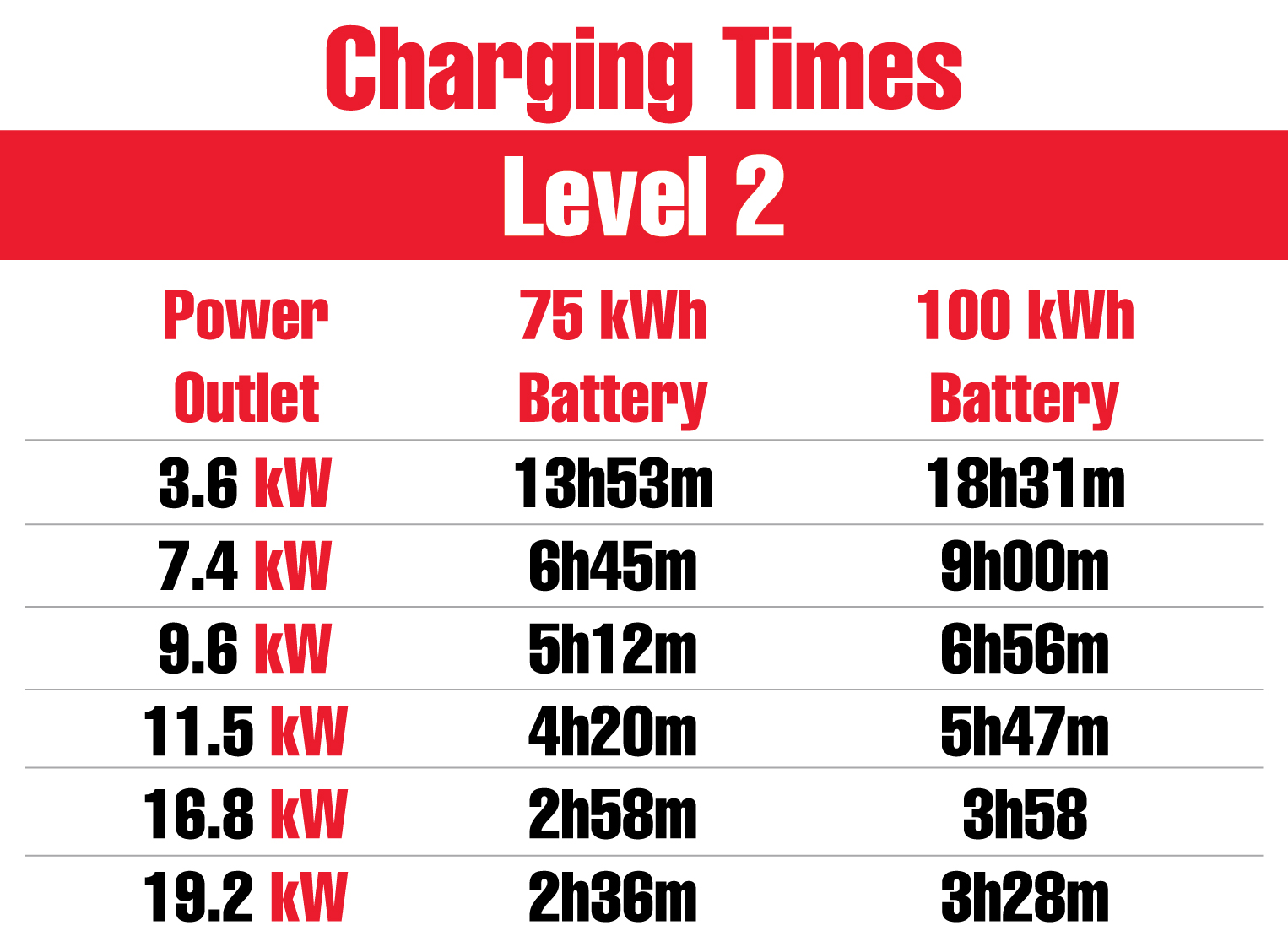
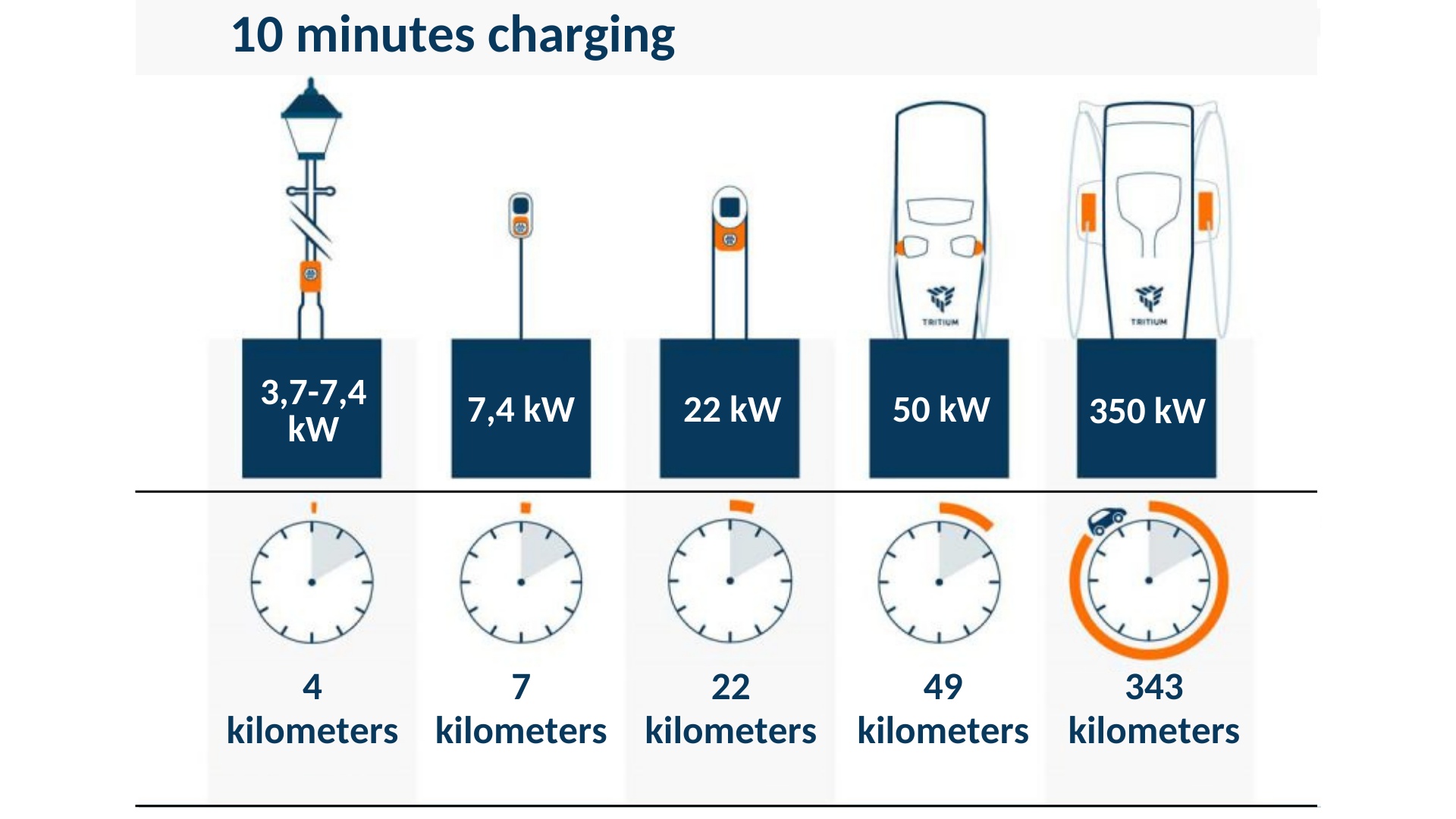
Let's demystify the numbers. When we talk about "how many kWh to charge a car," we're essentially asking about the size of its "fuel tank" – its battery capacity. Most common EVs have battery packs ranging from around 40 kWh (think smaller city cars) to over 100 kWh (for larger luxury vehicles or long-range models). For instance, a popular EV might boast a 60 kWh battery. The typical way this power is delivered is via home charging, often overnight with a Level 2 charger, adding significant range while you sleep. Public Level 2 chargers at workplaces or shopping centers offer a convenient top-up. For those longer journeys, DC Fast Chargers found along highways can add hundreds of miles in under an hour. Each of these methods draws a specific amount of kWh from the grid, directly influencing your electricity bill.
Must Read
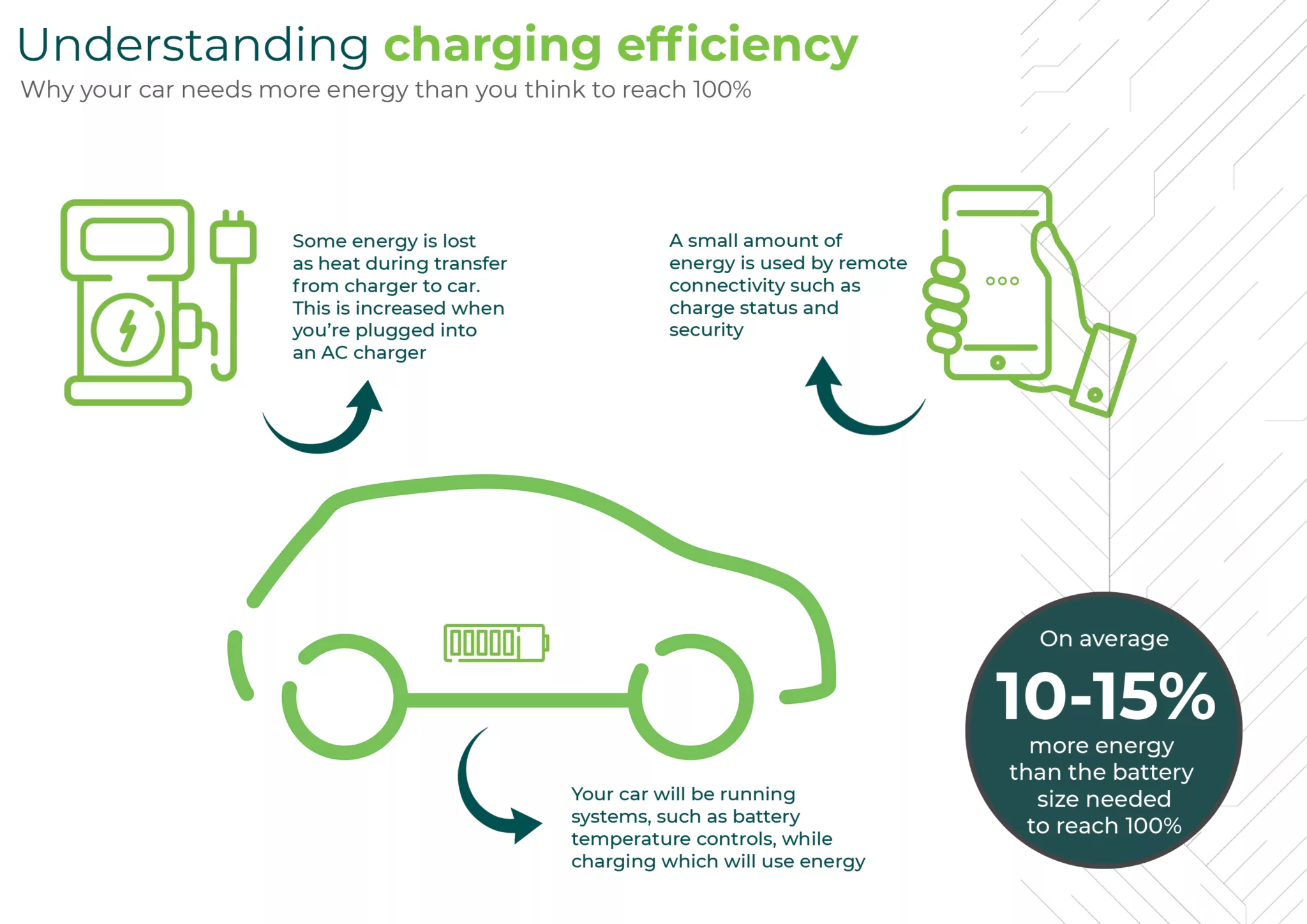
Now for the practical wisdom! The biggest tip? You rarely charge from completely empty to full. Most daily driving means topping up a partially depleted battery. While a 60 kWh battery stores 60 kWh, the actual energy drawn from the wall will be slightly higher due to charging inefficiencies (typically 10-20% loss). So, to fully charge a 60 kWh battery from zero, you might pull 66-72 kWh from the grid. To enjoy charging effectively, always know your battery's capacity and check your electricity provider’s Time-of-Use (TOU) rates. Charging during off-peak hours (often overnight) can dramatically reduce your costs, sometimes making a "full tank" cost less than a few dollars! Also, for battery longevity, consider only charging to 80-90% for daily use, reserving 100% for longer trips. Embracing these simple habits makes EV charging an effortless, economical, and truly enjoyable part of your everyday life.