How Many Kwh Does A Washer Use
Hey there, laundry legend! Ever stood in front of your washing machine, staring at the spinning suds, and thought, "Exactly how much juice is this thing sucking from my wall?" You're not alone! It's a question many of us ponder, usually while also wondering if we have enough clean socks for tomorrow. Let's dive into the fascinating world of washer energy use, shall we? Grab a coffee (or a clean sock), and let's chat!
So, How Many Kwh Does a Washer Use, Anyway?
Alright, let's get right to the good stuff. The answer isn't a single, neat number, because—
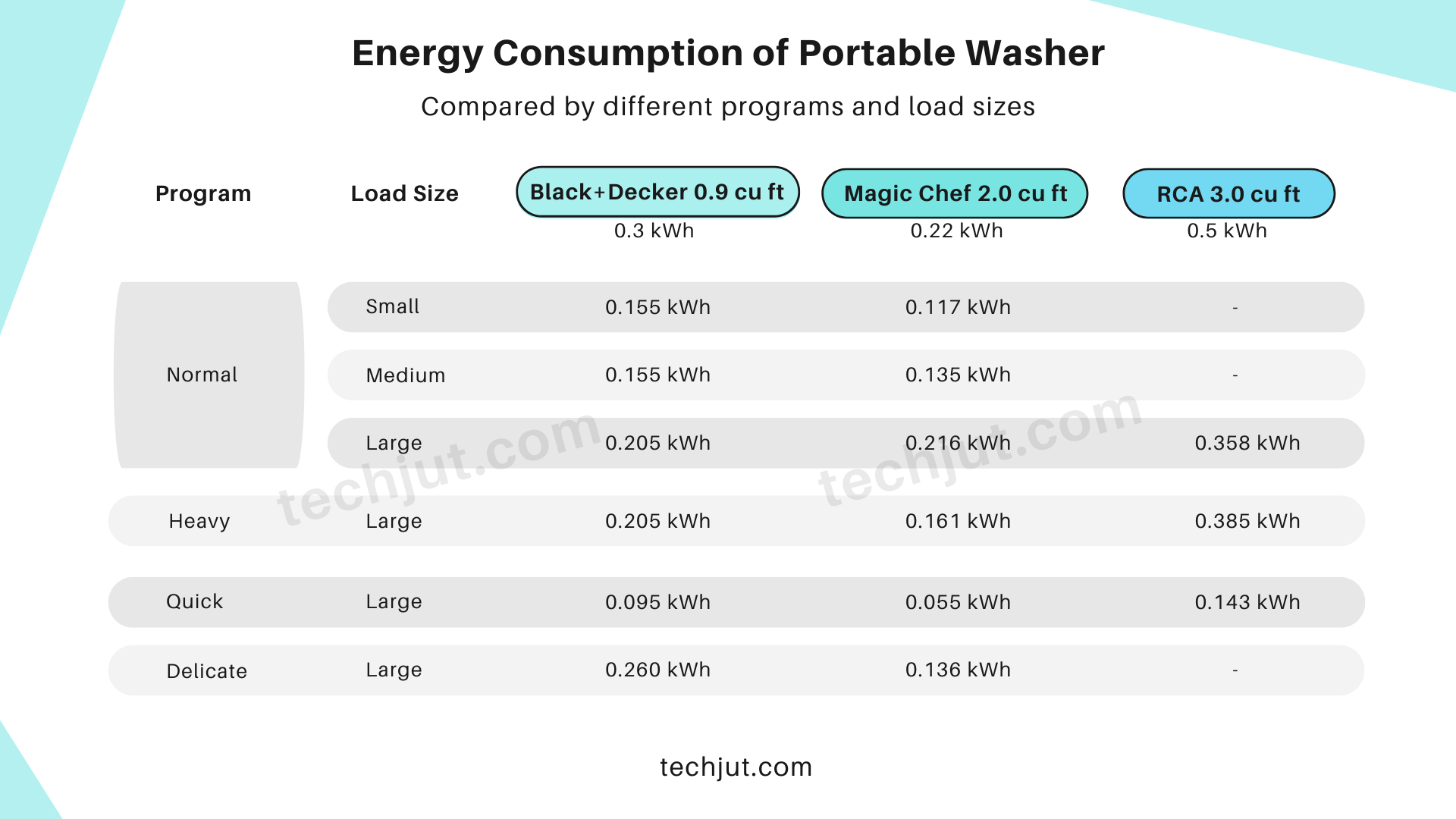
Generally speaking, a modern washing machine uses anywhere from 0.5 kWh to 2.5 kWh per load. "Whoa, that's a big range!" you might be thinking. And you'd be right! But don't fret, we're about to uncover the secret sauce (or lack thereof) behind those numbers.
Must Read
The Big Players: What Makes a Washer Thirsty (or Not!)
There are a few key things that dictate how much electricity your washer gobbles up. Let's break them down like we're organizing laundry into colors and whites (but way more fun).
1. Hot Water vs. Cold Water: The Ultimate Showdown!
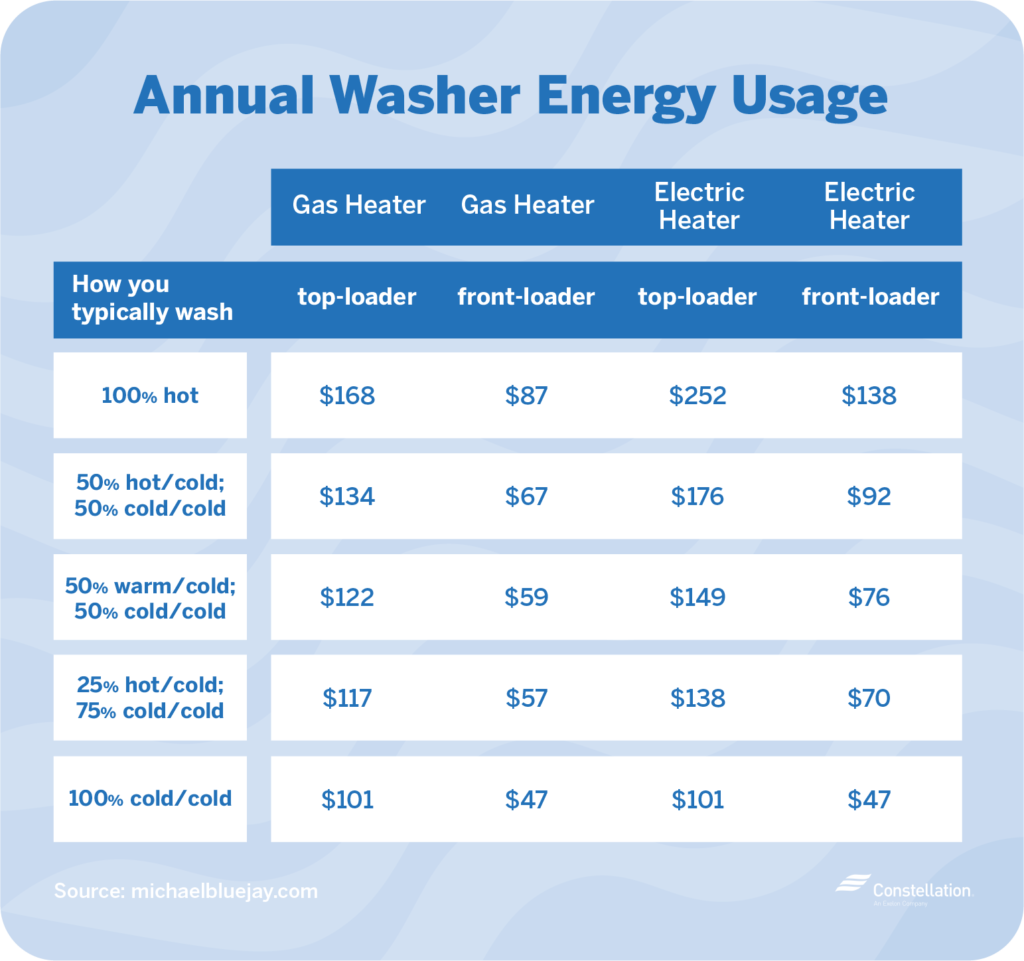
This is the superstar factor! Seriously, if you take one thing away from our little chat, let it be this. Heating water takes a
So, running a hot water wash is like throwing an energy party for your machine, complete with all the bells and whistles. A cold water wash? That's more like a quiet, efficient coffee date. If you switch to cold water whenever possible, you're not just saving energy, you're practically a superhero!
2. Your Washer's Age and Type: Old Dog, New Tricks?
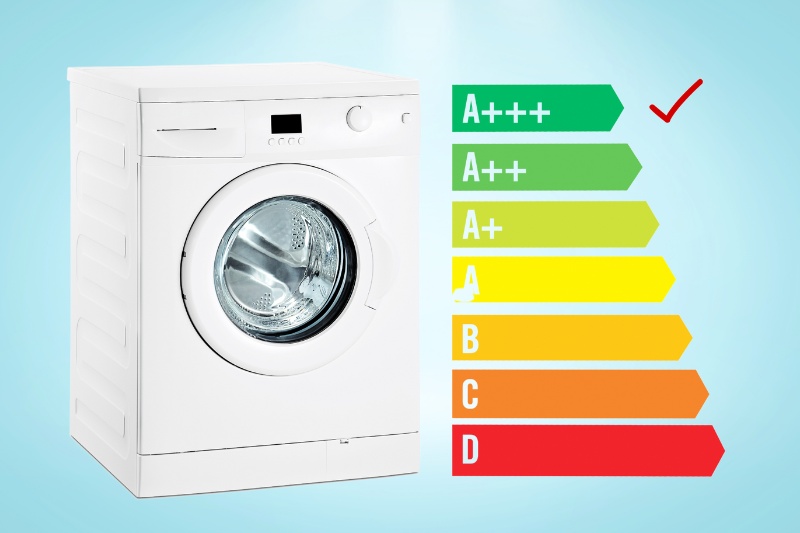
Got a vintage washer from, say, the 90s? Bless its heart, but it's probably not the most energy-efficient appliance on the block. Newer machines, especially those shiny Energy Star certified beauties, are designed to sip electricity rather than chug it.
And then there are the types: top-loaders vs. front-loaders. Front-loaders generally win the efficiency race because they use less water overall (and thus, less energy to heat it). They tumble clothes rather than submerging them in a giant tub of water. Smart, right?

3. Cycle Choices and Load Size: Are You an Over-Stuffer?
Are you one to cram every last item into a single load, or do you run half-empty loads like it's a marathon? Filling your machine to its recommended capacity (without overstuffing, because nobody likes a grumpy, unbalanced washer) is the most energy-efficient way to go. Multiple small loads use more energy than one full, sensible load.
Also, extra rinses, "heavy duty" settings, and extended wash times can add to the energy bill. Think of it as ordering extra toppings on your energy pizza.
Quick Tips to Be an Energy-Saving Laundry Ninja!
- Embrace the Cold: Seriously, unless you're battling some seriously greasy stains or disinfecting, cold water works wonders for most loads. Your wallet (and the planet) will thank you.
- Full Loads Only: Resist the urge to wash just a few items. Wait for a full, but not overstuffed, load.
- Go Energy Star: If it's time for a new machine, look for that little blue Energy Star label. It's a stamp of approval for efficiency.
- Pre-Treat Stains: This can reduce the need for hotter water or extra cycles.
- Regular Maintenance: Keep your washer clean and free of excessive detergent build-up. A happy machine is an efficient machine!
The Bottom Line: What Does This Mean for Your Wallet?
Let's do some super quick, back-of-the-napkin math. If your washer uses, say, 1 kWh per load, and electricity costs around $0.15 per kWh (check your bill for your exact rate!), then each load costs you a mere 15 cents. Not too shabby, right?
Of course, those cents add up over time, especially if you're running multiple loads a week. But making those small, smart changes can really make a difference without feeling like a huge sacrifice.
You've Got This!
See? Knowing how much energy your washer uses isn't so intimidating after all! With a few simple tweaks to your laundry routine, you can significantly reduce your energy consumption, save a little cash, and feel good about doing your part for Mother Earth. So go forth, magnificent laundry doer! Wash those clothes with newfound wisdom and a sparkling smile, knowing you're a true energy-saving champion!