How Many Kwh Does A Refrigerator Use Per Day
Hey there, friend! Ever wonder how much electricity your refrigerator is secretly guzzling down? Like, you're just chilling (pun intended!) and your fridge is working hard behind the scenes to keep your milk cold and your leftovers... well, left over. Let's dive into the fascinating world of refrigerator energy consumption! It's probably not as scary as you think. Okay, maybe a little scary, depending on how old your fridge is. But knowledge is power, right?
So, how many kWh does a refrigerator use per day? The short answer is: it varies. Think of it like asking how many slices of pizza someone eats in a day. It depends on the person (or in this case, the fridge!), their habits, and how hungry they are (or how hard the fridge is working!).
The Refrigerator Energy Equation (Don't Panic!)
Okay, I know, equation sounds intimidating. But I promise, this isn't rocket science. It's more like... refrigerator science. Which is way cooler (another pun!).
Must Read
The amount of electricity your fridge uses depends on a few key things:
- The Age of Your Fridge: This is a big one! Older fridges are often energy hogs. They're like those vintage cars that look cool but drink gas like it's going out of style. A fridge from the 90s (eek!) might use significantly more energy than a modern, energy-efficient model.
- The Size of Your Fridge: Obviously, a giant, side-by-side fridge with all the bells and whistles is going to use more energy than a compact fridge you keep in your dorm room. Think of it as a small apartment vs. a mansion – more space, more energy needed to cool it!
- How Often You Open the Door: Every time you open the door, you let out all that lovely cold air. The fridge then has to work harder to cool back down. So, resist the urge to stare longingly into the fridge wondering what to eat. Plan your attack! Open, grab, close. Like a ninja fridge operative.
- Your Thermostat Setting: Colder isn't always better! Keeping your fridge too cold wastes energy. Aim for around 37-40°F (3-4°C). Your food will still be safe, and your wallet will thank you.
- How Full It Is: Counterintuitively, a fuller fridge is more efficient than an empty one! The food helps to maintain a consistent temperature. So, stock up (responsibly, of course!).
The Numbers Game: Estimating Daily kWh Usage
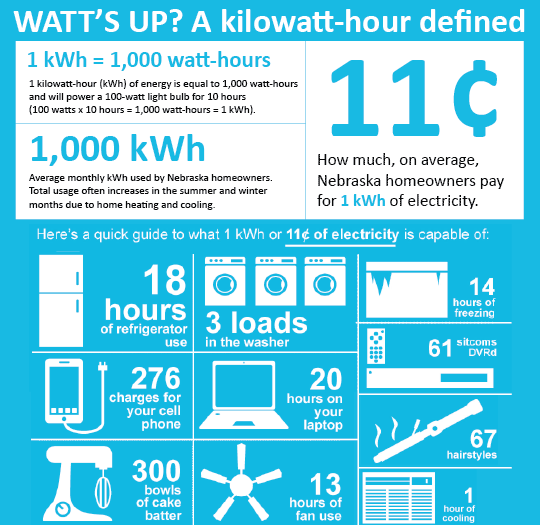
Alright, let's get down to brass tacks. A typical, modern refrigerator might use somewhere between 1 to 2 kWh per day. But that's just a ballpark figure. To get a more accurate estimate, you can:

- Check the EnergyGuide label: This label is usually on the fridge itself and tells you the estimated annual energy consumption in kWh. Divide that number by 365 to get the daily average. It's like a cheat sheet for fridge energy consumption!
- Use a Kill-A-Watt Meter: These handy gadgets plug into your outlet and measure the actual energy usage of your appliance. You can leave it plugged in for a day or two to get a good average. It's like a detective investigating your fridge's energy habits!
Keep in mind that these are just estimates. Your actual usage could be higher or lower depending on the factors we discussed earlier.
Saving Energy (and Money!)
Okay, so you know how much your fridge might be using. Now what? Here are a few tips to help you save energy and money:
.png)
- Consider Upgrading: If you have an ancient fridge, upgrading to a newer, Energy Star certified model can save you a ton of money in the long run. It's an investment in your future (and the planet's!).
- Keep the Coils Clean: Dust and dirt buildup on the coils can make your fridge work harder. Clean them every few months with a vacuum cleaner or brush. It's like giving your fridge a spa day!
- Check the Door Seals: Make sure the door seals are tight and not cracked or damaged. Leaky seals let cold air escape and force the fridge to work harder. You can test the seal by closing the door on a piece of paper. If you can easily pull the paper out, the seal needs to be replaced.
- Don't Overfill It: While a full fridge is more efficient, overfilling it can block air circulation and make the fridge work harder. Find that sweet spot!
So, there you have it! A (hopefully) not-too-boring guide to refrigerator energy consumption. Remember, being mindful of your fridge's energy usage can not only save you money on your electricity bill but also help the environment. You're basically a superhero, one kilowatt-hour at a time! Go forth and conquer your fridge's energy habits!
And remember, even if your fridge is a bit of an energy hog, it's still keeping your food fresh and your drinks cold. Appreciate its hard work, even if you're secretly plotting its replacement with a more energy-efficient model. You got this!