How Many Kwh Does A Home Use
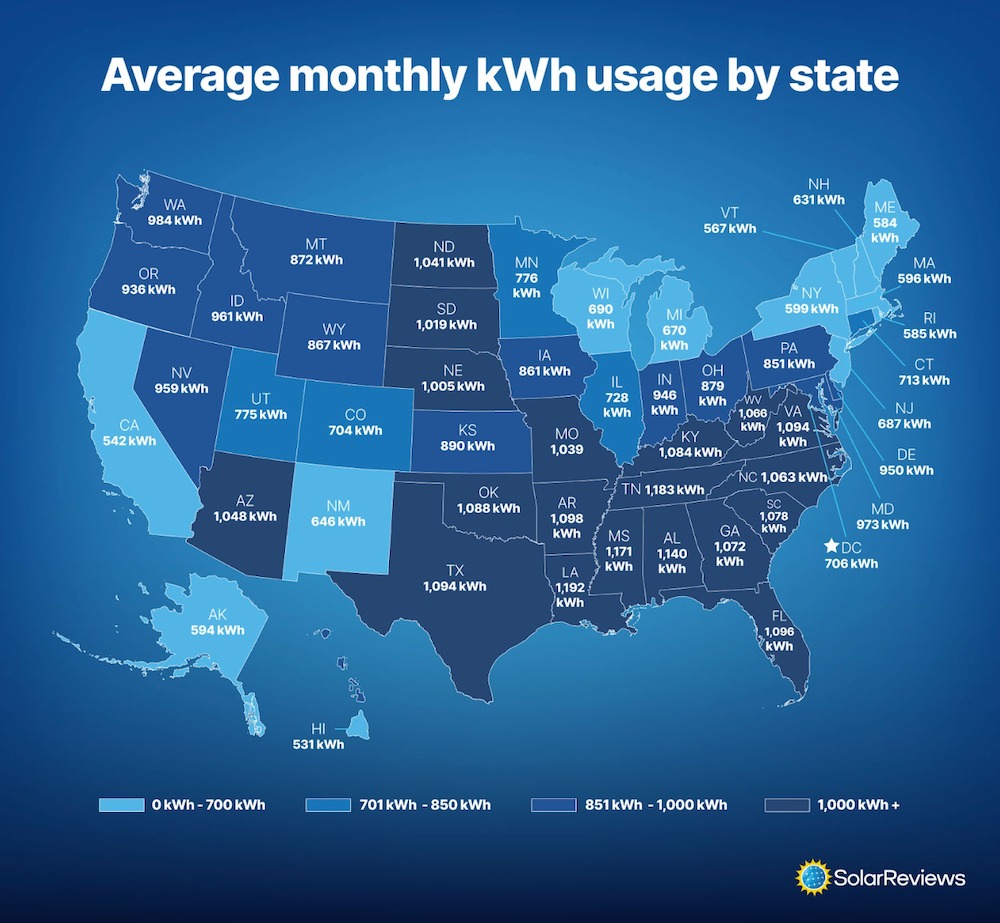
Ever gazed at your electricity bill, seen that "kWh" number, and wondered, "What does that even mean for my home?" You're not alone! Diving into how many kilowatt-hours (kWh) your home uses might sound a bit dry, but trust me, it’s actually a really fun and incredibly useful journey. It's like becoming a home energy detective, uncovering the secrets of your power consumption, which can lead to big savings and a happier planet.
This topic is fantastic for a few reasons and appeals to everyone. For beginners, understanding your kWh usage is the first step to deciphering your monthly bill and gaining control over your household expenses. It turns a confusing number into something meaningful. For families, it's a golden opportunity to save money, especially with today's fluctuating energy prices, and teach kids valuable lessons about conservation. Imagine how much extra fun money you could have! And for the hobbyists or the truly curious, it's a chance to optimize your smart home, dive deep into appliance efficiency, and perhaps even reduce your carbon footprint significantly. It's about empowering you to make smarter choices for your living space.
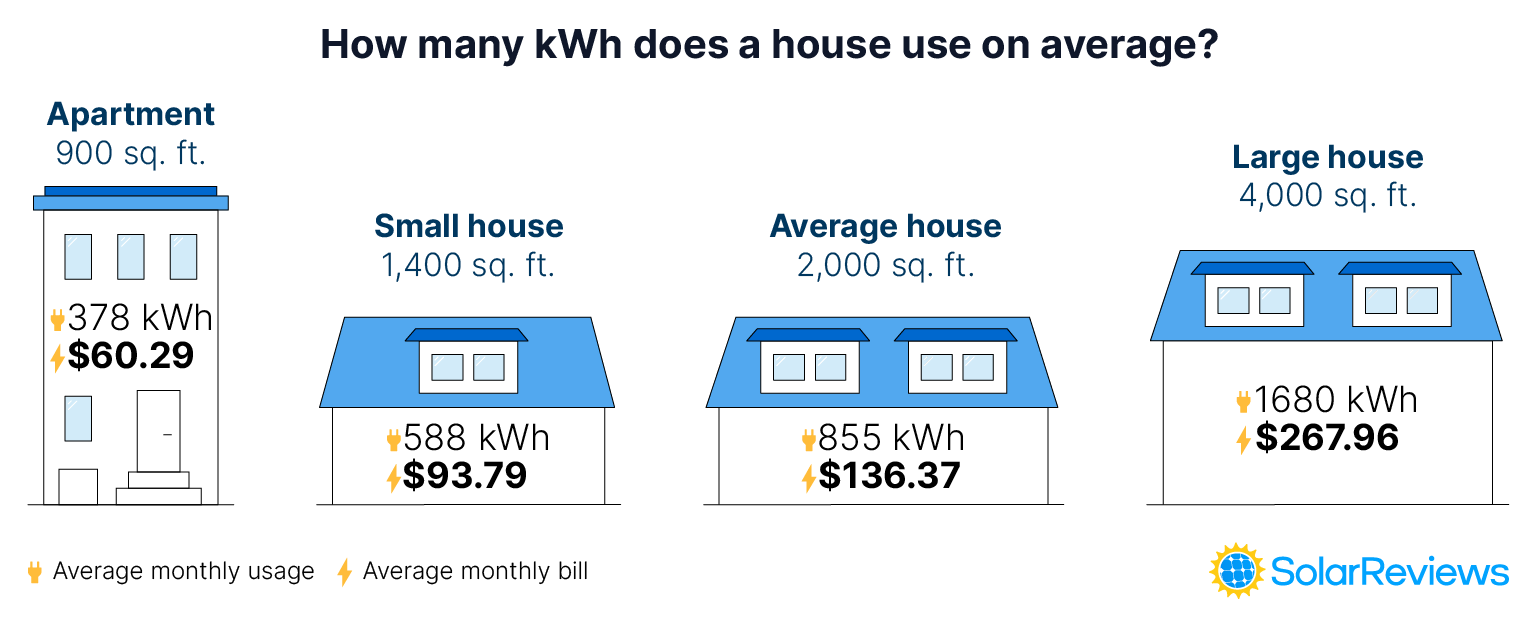
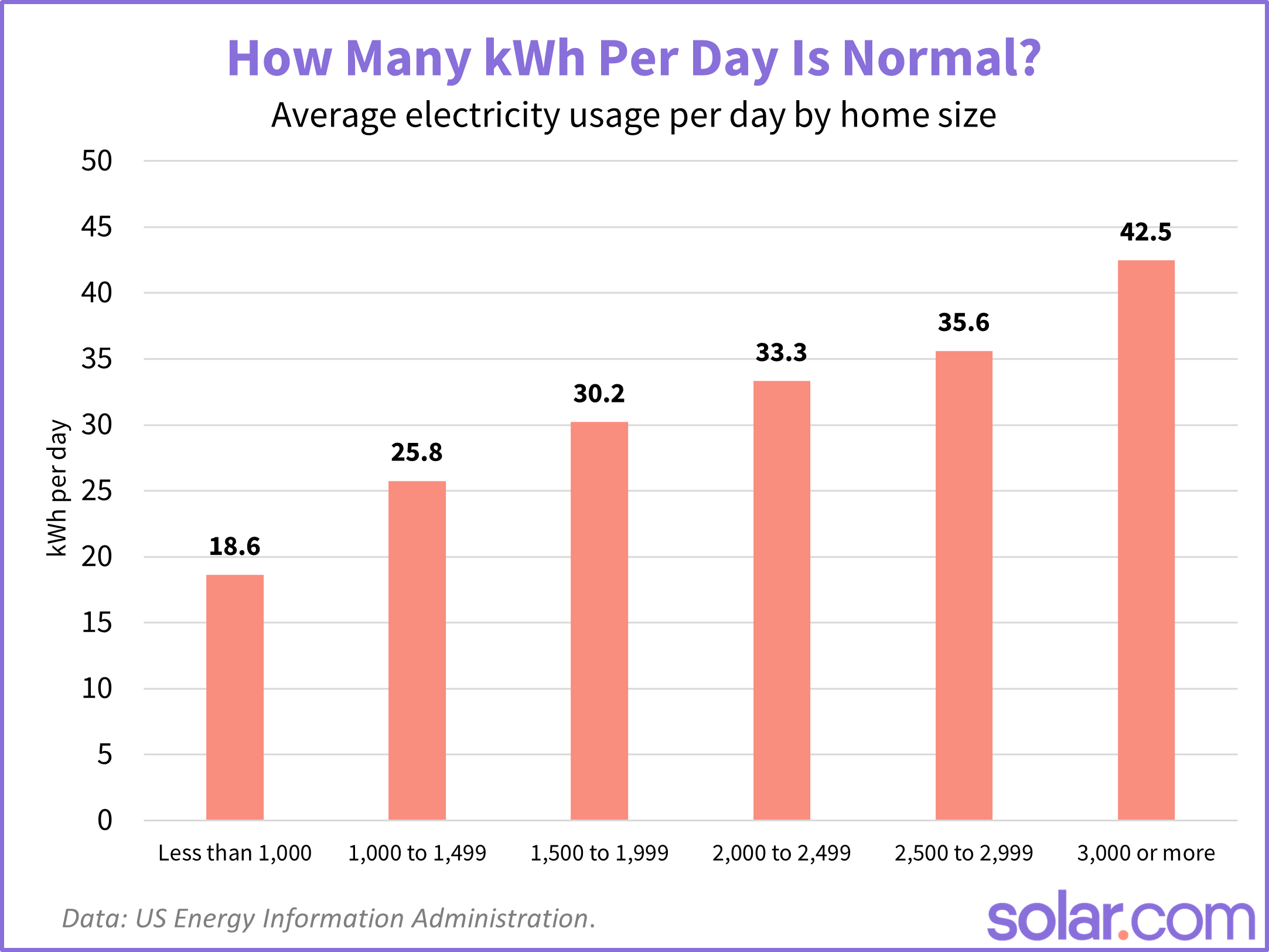
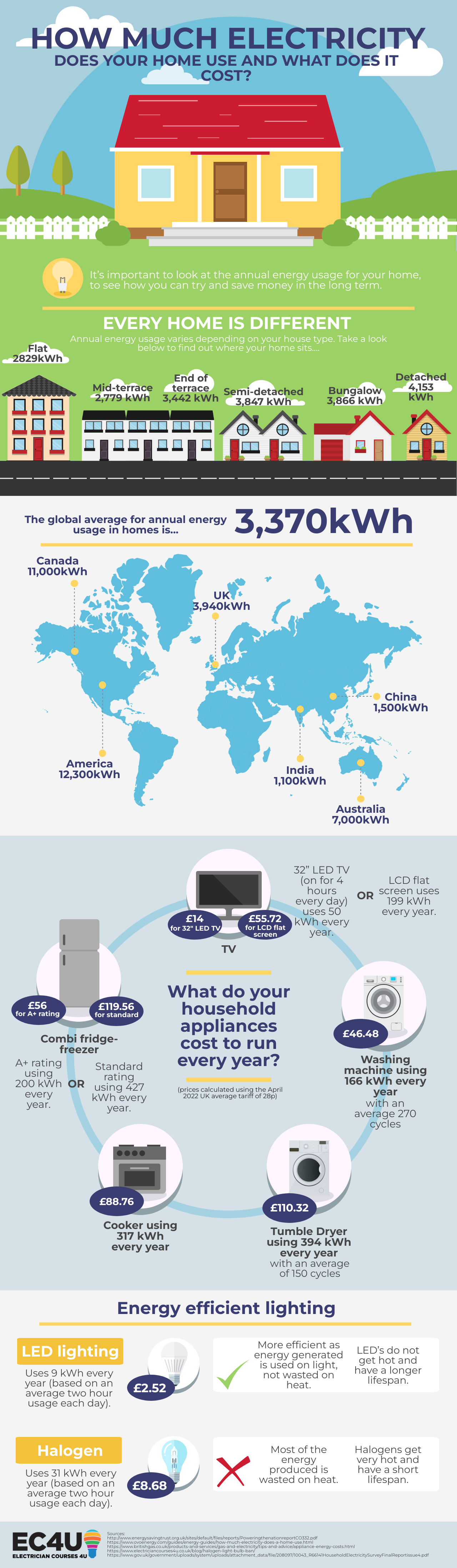
So, what's a typical number? Well, that's where the "detective" part comes in because there’s no single answer! A small apartment might use anywhere from 300-600 kWh per month, while a larger family home in an extreme climate (think heavy AC in summer or heating in winter) could easily hit 1,500-2,500 kWh or more. It varies wildly based on several factors: the size of your home, the number of occupants, the age and efficiency of your appliances, your climate, and, crucially, your personal habits. Do you love long hot showers? Is the TV always on? These all add up! Some homes even benefit from time-of-use rates, where electricity is cheaper during off-peak hours, adding another layer to the energy puzzle.
Must Read
Ready to start your own energy investigation? Here are some simple, practical tips. First, check your electricity bill! That's your primary data source, showing your total monthly kWh usage. Next, tackle the obvious: switch to LED light bulbs, which use far less energy than old incandescents. Unplug "vampire" devices – those chargers and electronics that still draw power even when not in use. Consider a smart thermostat to optimize heating and cooling, which are usually your biggest energy guzzlers. For a deeper dive, grab an inexpensive "kill-a-watt" meter; plug an appliance into it, and it will tell you exactly how much electricity that specific item is using. It’s an eye-opener!
Understanding your home's kWh usage isn't just about saving a few bucks; it’s about gaining awareness and making conscious choices that benefit your wallet, your comfort, and the environment. It’s an ongoing process of discovery and small adjustments that can lead to significant positive impacts. So go ahead, become an energy detective – you might be surprised at what you find!