How Many Kw To Power A House
Ever stared at your electricity bill, feeling like you're decoding an ancient scroll? Or maybe you’ve daydreamed about going off-grid, wondering just how much solar power you’d actually need? Understanding how much electricity your home consumes isn't just for energy nerds or aspiring survivalists anymore. It's becoming increasingly popular to grasp this fundamental part of modern living, and honestly, it can be quite fun to unravel the mystery!
Knowing your home's power demands is incredibly useful. It helps you make smarter choices about energy efficiency, potentially saving you a bundle on utility bills. If you're considering solar panels, it’s the first step in figuring out what size system you need. Plus, it empowers you to talk confidently about energy consumption, impressing your friends at your next gathering. It’s all about demystifying that invisible flow of power keeping your life humming along.
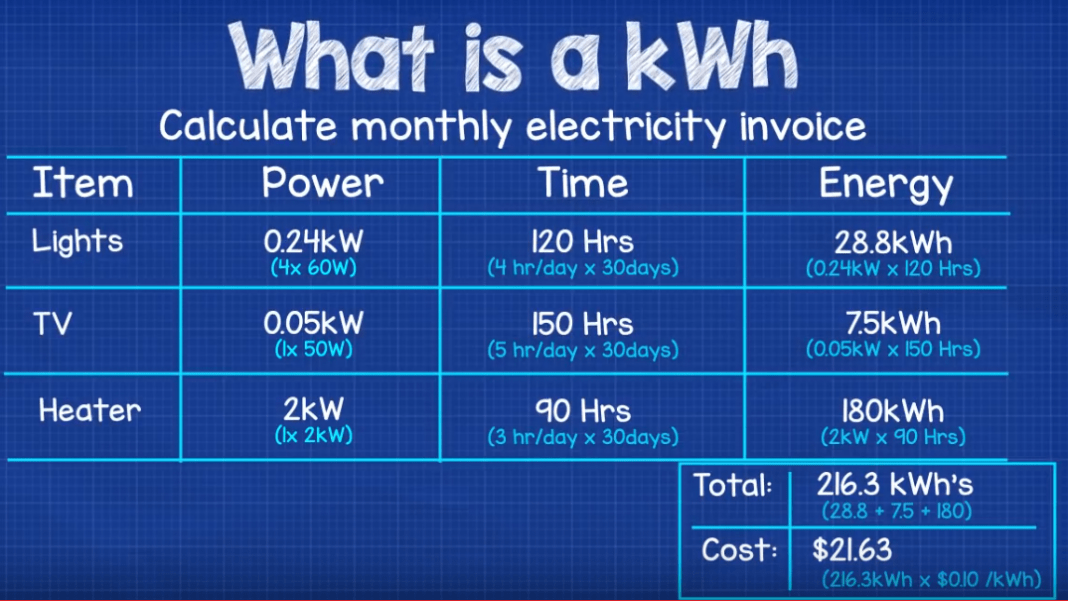
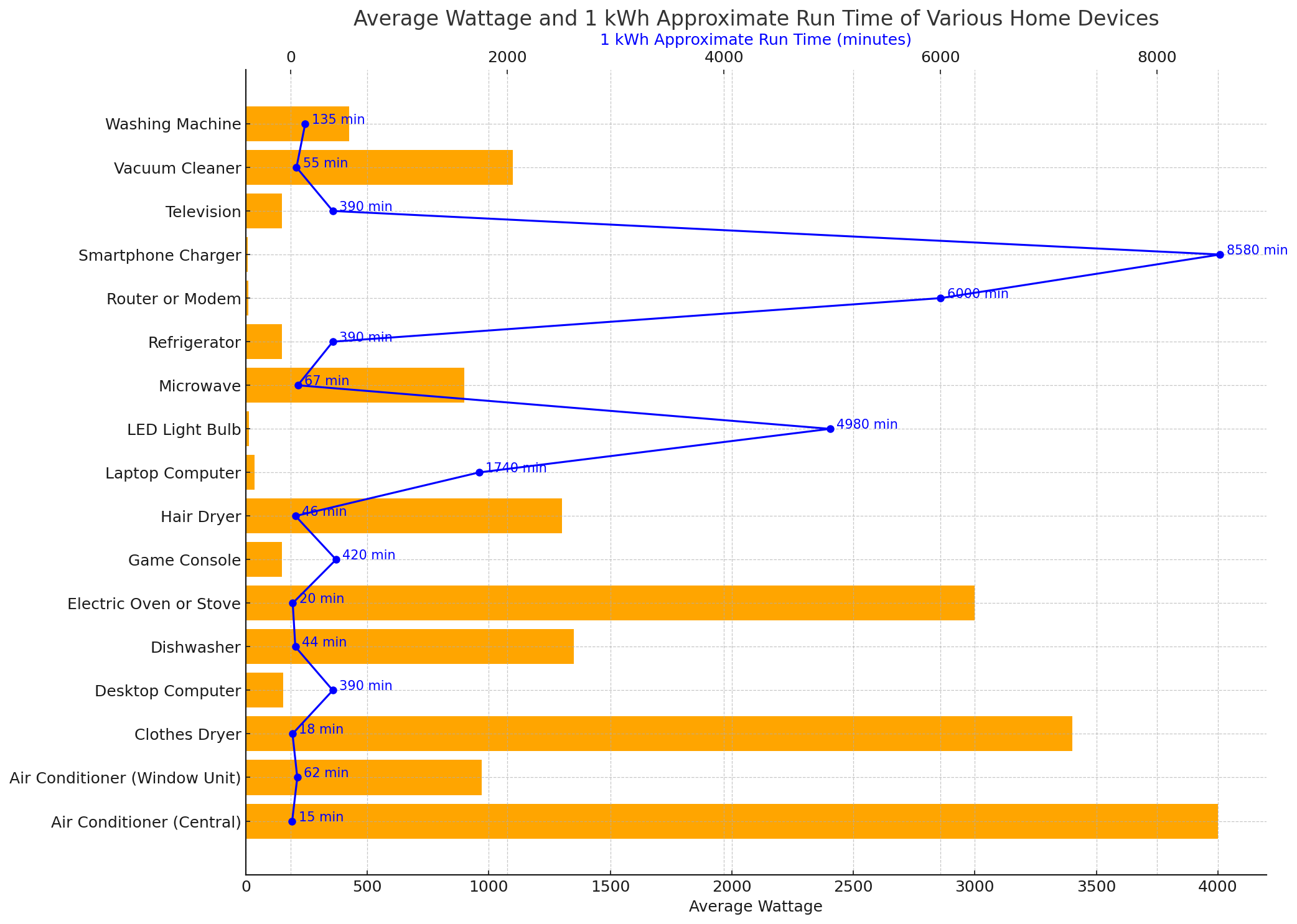
Now, let's tackle the big question: "How many kW to power a house?" This is where it gets a little tricky, but totally understandable once you get the hang of it. When we talk about kW (kilowatts), we're referring to power – the instantaneous rate at which electricity is being used. Think of it like the speed of a car. A standard home might draw anywhere from 1 kW to 5 kW at any given moment, depending on what's running. For instance, a refrigerator might use about 0.1 kW, while an air conditioner could gulp 3-5 kW all by itself!
Must Read
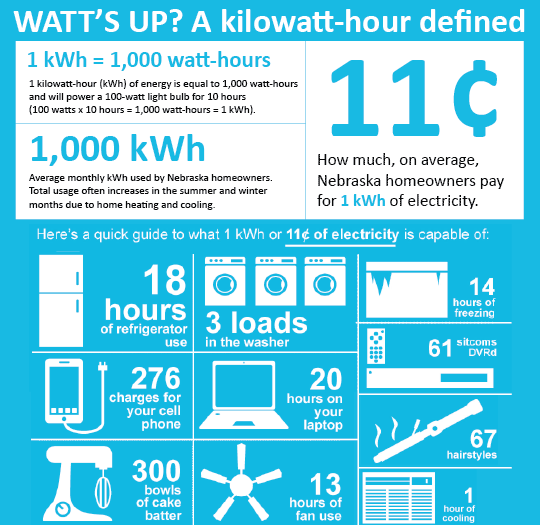
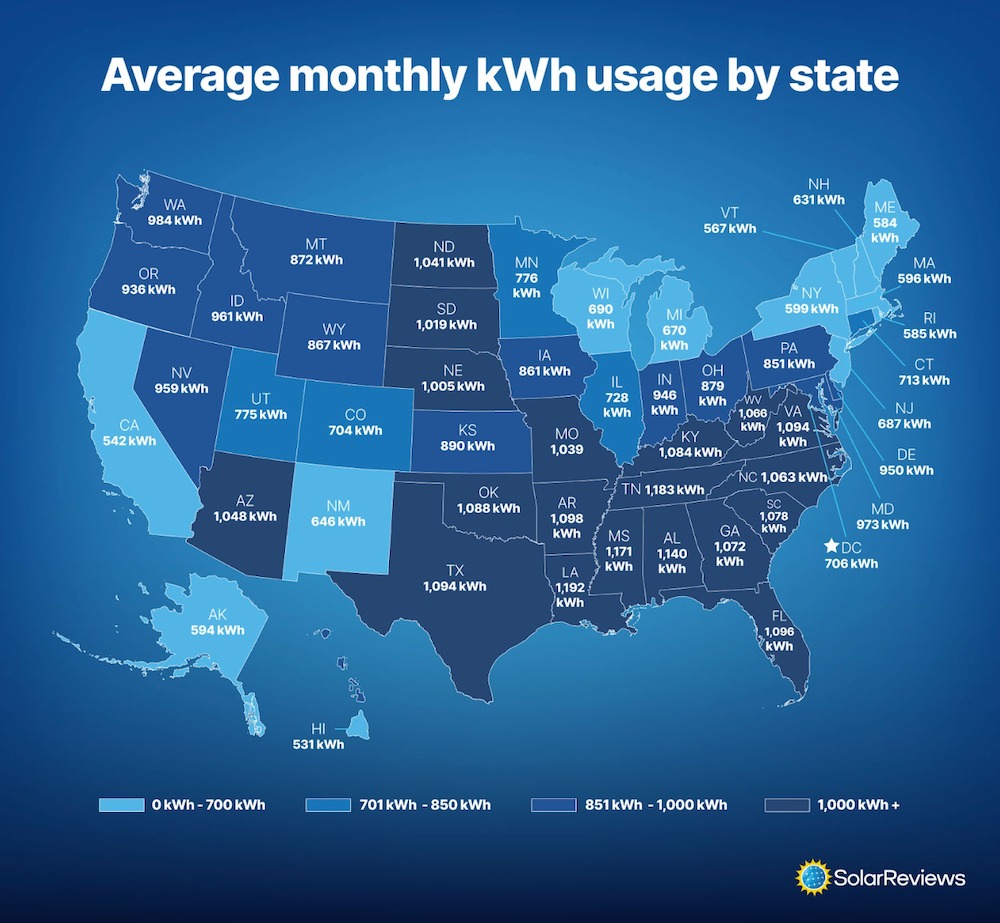
However, what you see on your bill isn't just kW; it's kWh (kilowatt-hours). This is energy – the total amount of electricity consumed over time. If kW is speed, then kWh is the total distance traveled. This is the crucial number for understanding your consumption. An average single-family home in the U.S. typically uses between 600 to 1,200 kWh per month. Smaller apartments might be closer to 300-500 kWh, while larger homes with lots of appliances or heavy heating/cooling could easily exceed 2,000 kWh.

So, what makes your home fall into one category over another? A bunch of factors are at play! The size of your house, the number of occupants, and especially your appliances are huge contributors. That energy-hungry old fridge, a powerful electric water heater, or continuous use of central air conditioning will significantly boost your numbers. Even your habits matter – leaving lights on, long hot showers, or frequently opening the oven door all add up.
The best way to find out your personal "kW to power a house" (or more accurately, your kWh per month) is to simply check your past utility bills. They usually show your total kWh usage for each billing cycle. Once you know your baseline, you can start making informed decisions. Maybe you'll swap out old incandescent bulbs for LEDs, optimize your thermostat settings, or unplug phantom loads. Understanding these numbers isn't just about saving money; it’s about gaining a clearer picture of your environmental footprint and taking control of your home's energy destiny. It turns a confusing bill into a roadmap for a smarter, more efficient home!