
How Many Kw Does A Solar Panel Produce Per Day
Ever wondered how much juice those shiny rectangles on your neighbor's roof are actually making? We're talking about solar panels, of course! Forget complicated equations and technical jargon. Let's dive into the surprisingly simple world of daily solar power production.
Decoding the Daily Dose of Sunshine
So, how many kilowatt-hours (kWh) does a single solar panel crank out each day? The answer? It's like asking how long a piece of string is. It depends!
Several factors play a role. Imagine a grumpy cloud stubbornly blocking the sun's rays. That's going to affect things, right? Let's explore those factors.
Must Read
Sunshine, Sunshine, Everywhere? Not Quite!
First, let's talk location, location, location! Phoenix, Arizona, bathed in year-round sun, will naturally see higher solar panel production than, say, Seattle, Washington, famous for its…well, less sun.
The angle of the sun also matters. Think about how much warmer you feel at noon compared to early morning. Solar panels work the same way! The more direct the sunlight, the more power generated.
Then there's the panel's angle. You wouldn't wear your hat backwards to block the sun, would you? Solar panels are strategically angled towards the sun's path.
Panel Power: Not All Panels Are Created Equal
Next up, let's consider the panel itself. Think of it like comparing a tiny teacup to a huge bucket. Some panels are just more efficient at grabbing those sunbeams and turning them into electricity.
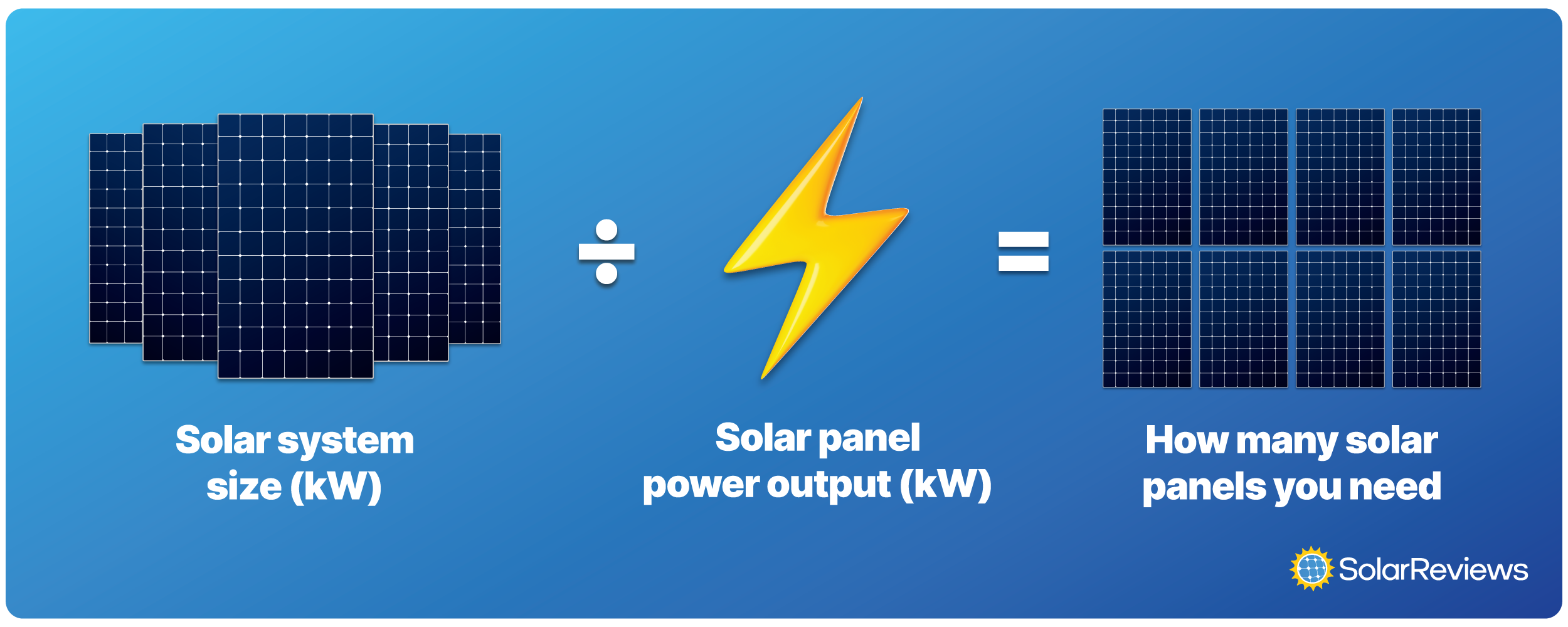
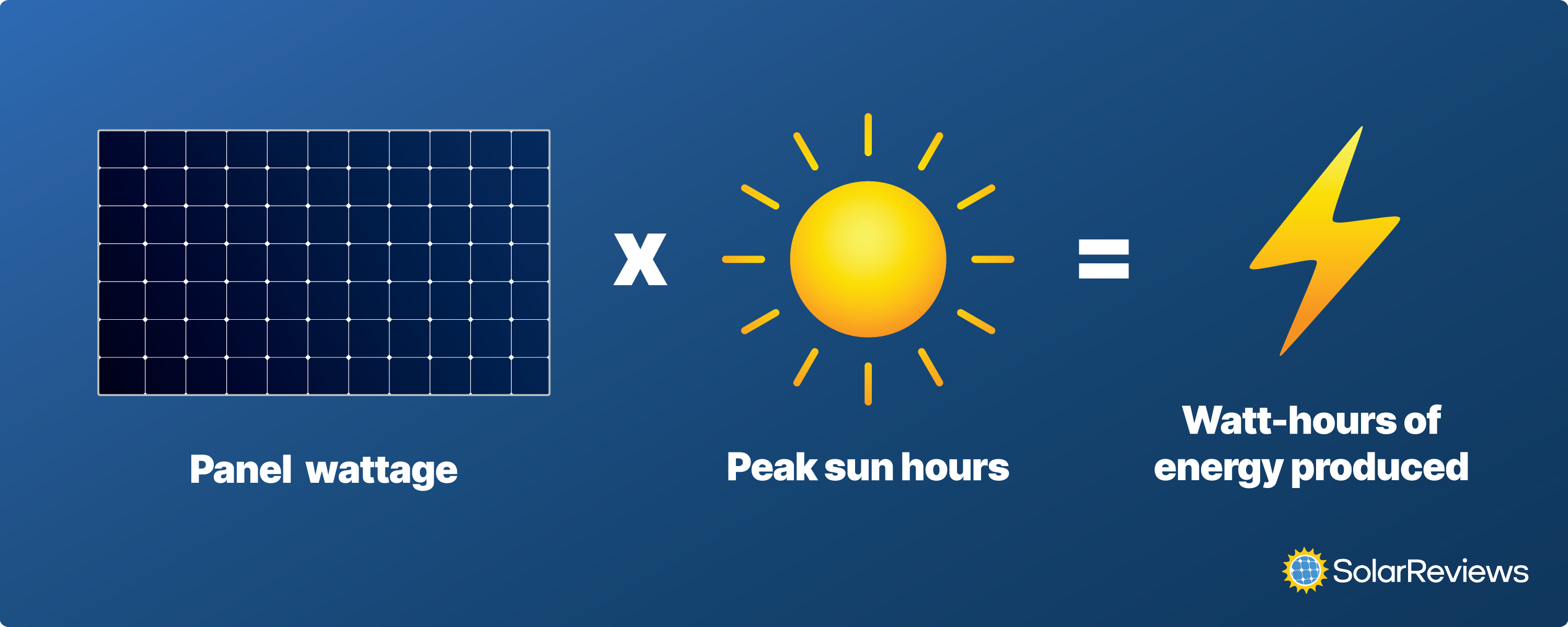
Solar panel wattage is key. A panel rated at 300 watts is generally going to produce more electricity than a 200-watt panel, all other factors being equal. It's common sense, but worth remembering.
Panel efficiency also plays a part. A highly efficient panel squeezes more power from the same amount of sunlight. It's like getting better gas mileage in your car!
![How much electricity do solar panels produce? [UK, 2024]](https://images.prismic.io/sunsave-website/ZnxEJZbWFbowe4jR_graphic-Solarpaneloutput.jpg?auto=format,compress?auto=compress,format)
The Great Daily Average: A Glimpse into Reality
Okay, so let's get down to some ballpark figures. On average, a typical 300-watt solar panel, in a sunny location, might produce around 1.2 to 1.8 kWh of electricity per day.
But remember, that's just an average! A cloudy day could knock that number down significantly. A super sunny day could push it even higher.
Think of it like baking cookies. The recipe tells you to bake them for 10 minutes, but you might need a little longer depending on your oven. Solar panel production is similar!
The Surprising Power of Perspective
It's easy to get caught up in the numbers, but let's take a step back. Consider this: that single solar panel is quietly converting sunlight into usable energy, reducing your reliance on traditional power sources.
That's pretty amazing, isn't it? It's like having a tiny, silent power plant on your roof, working tirelessly to keep your lights on and your fridge cold.
And every little bit helps! Even a single panel can make a difference in reducing your carbon footprint and contributing to a cleaner environment. It's a small step towards a big change!

Beyond the Numbers: The Human Element
Let's look at a heartwarming example. Imagine an elderly woman on a fixed income, struggling to pay her electricity bills. She installs a few solar panels and suddenly, her monthly costs plummet.
Now she has extra money for groceries, medications, or simply enjoying life. That's the real power of solar energy – it's not just about kilowatt-hours; it's about empowering people and improving lives.
Or consider a family living in a remote area, far from the power grid. Solar panels provide them with access to electricity for the first time, enabling them to study at night, run a small business, and connect with the world.
Humor in the Harnessing of the Sun
Let's face it, sometimes solar panel installations can be a bit…awkward. Picture this: a homeowner proudly showing off their new solar panels to their neighbor, only to realize they accidentally installed one panel upside down!
Or the classic scenario of birds mistaking solar panels for giant, heated bird baths. The result? A very clean, but slightly less efficient, solar array. Mother Nature has a sense of humor.
And who hasn't seen those hilarious videos of squirrels trying to hoard nuts underneath solar panels? They're clearly planning for a long, sun-powered winter. Ingenious, if slightly misguided.
Maximizing Your Solar Panel's Potential
Want to squeeze every last drop of sunshine out of your solar panels? Here are a few simple tips.
First, keep them clean! Dust, pollen, and bird droppings can block sunlight and reduce efficiency. A quick rinse with a hose every now and then can make a big difference.
Second, monitor your system's performance. Most solar panel systems come with monitoring software that allows you to track your energy production and identify any potential problems.
Third, consider adding battery storage. This allows you to store excess solar energy generated during the day and use it at night, further reducing your reliance on the grid.
The Future is Bright (and Solar Powered!)
Solar panel technology is constantly evolving. Prices are coming down, efficiency is going up, and new innovations are emerging all the time.
Soon, we may see solar panels integrated into building materials, turning entire buildings into power plants! Imagine solar shingles, solar windows, and even solar roads. The possibilities are endless.
And as solar energy becomes more affordable and accessible, we can expect to see even greater adoption, leading to a cleaner, more sustainable future for all. The sun truly shines on everyone.
Important Considerations and Limitations
While we've painted a rosy picture, let's acknowledge some limitations. Solar panel production is, after all, weather-dependent. Extended periods of cloudy weather can significantly reduce output.
Also, solar panels require space. If you have a small roof or a lot of shading from trees, solar may not be the best option for you.
Finally, it's important to consider the environmental impact of manufacturing solar panels. While solar energy is a clean energy source, the production process does involve some environmental costs. It is still a greener solution than fossil fuel powered energy generation.
Final Thoughts: Embrace the Sunshine
So, how many kWh does a solar panel produce per day? The answer is, delightfully, it depends. But the important thing to remember is that even a small amount of solar power can make a big difference.
Whether you're motivated by environmental concerns, financial savings, or simply the desire to harness the power of the sun, solar energy is a bright and promising option for the future.
So next time you see those shiny rectangles on a roof, take a moment to appreciate the silent, sustainable energy they're producing. And maybe, just maybe, consider joining the solar revolution yourself. You might be surprised at how much power you can harness from the humble sun.
Remember, every kilowatt-hour counts! Let's embrace the sunshine and build a brighter future together.